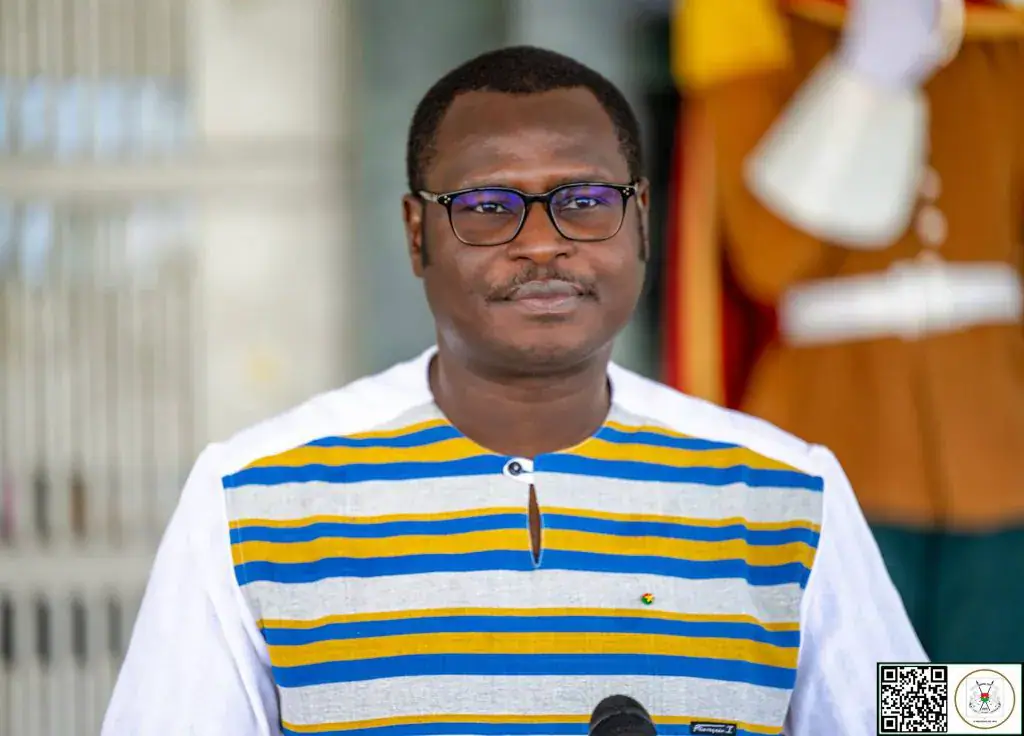
The government of Burkina Faso has announced the successful completion of a major repatriation operation involving more than 76,000 people following Guinea's crackdown on illegal gold mining. This operation, one of the largest recent cross-border humanitarian efforts in West Africa, was confirmed by Government Spokesperson and Minister of Communication, Culture, Arts and Tourism Pingdwendé Gilbert Ouédraogo in an official communiqué issued on November 20, 2026. The repatriation effort involved 76,169 people, including 74,452 men, 1,717 women, and 15,968 children.
The mass repatriation followed Guinea's introduction of measures on November 2, 2026, to prohibit illegal gold mining activities. These restrictions affected thousands of Burkinabè nationals and citizens of several other West African countries involved in or impacted by mining activities in Guinea. In response, President Captain Ibrahim Traoré ordered the immediate deployment of a government mission to Bamako, Mali, to assess conditions and coordinate the safe return of affected citizens. Mali played a crucial role in providing temporary refuge and assistance before their onward transportation to Burkina Faso.
The Burkinabè government acknowledged Mali's hospitality and solidarity throughout the emergency. Under the supervision of the Prime Minister, Burkina Faso activated its National Council for Emergency Relief and Rehabilitation (CONASUR), which coordinated transportation, reception arrangements, and humanitarian assistance for returning nationals. The operation involved various stakeholders, including government institutions, security forces, transport operators, civil society organizations, and local communities, particularly in Bobo-Dioulasso and Koloko.
The repatriation exercise concluded with the arrival of the final convoy during the night of November 18–19, 2026, marking the closure of reception and registration facilities in Bobo-Dioulasso and Koloko. However, regional emergency relief and rehabilitation councils remain on standby to assist with outstanding cases and respond to additional humanitarian needs. The government also registered 1,994 foreign nationals who received assistance at the Bobo-Dioulasso Reception and Transit Centre.
The foreign nationals included 983 Togolese, 580 Beninese, 150 Ivorians, 133 Nigeriens, 53 Nigerians, 44 Malians, 38 Ghanaians, seven Guineans, three Sierra Leoneans, two Chadians, and one Senegalese. Discussions with their respective diplomatic missions are ongoing to facilitate their return home. This highlights the regional consequences of Guinea's restrictions on informal gold mining and the multinational nature of the sector.
Artisanal and small-scale gold mining is a significant source of employment and income in the region, particularly for young people and communities with limited access to formal employment. However, governments face challenges associated with unregulated mining, including environmental degradation, unsafe working conditions, and difficulties enforcing national mining regulations. The developments in Guinea have drawn attention to the wider economic and humanitarian implications of restrictions on informal mining activities.
With the repatriation exercise completed, Burkina Faso is focusing on the social, economic, and professional reintegration of returning citizens. The government has appealed to public institutions, private sector operators, civil society organizations, and other stakeholders to support initiatives that help returnees rebuild their lives and secure sustainable livelihoods. The government expressed appreciation to Mali for its assistance and commended various stakeholders for their contributions to the operation, emphasizing collective responsibility in addressing the longer-term consequences.
Key points
- The repatriation operation involved 76,169 people, including 74,452 men, 1,717 women, and 15,968 children.
- Mali provided crucial assistance during the emergency, offering temporary refuge and support to affected Burkinabè nationals.
- The government is now focusing on the reintegration of returning citizens, seeking support from various stakeholders to help them rebuild their lives.
Reporting sources
- Burkina Faso Repatriates Over 76,000 People Following Guinea Gold Mining Crackdown · Pan African Visions