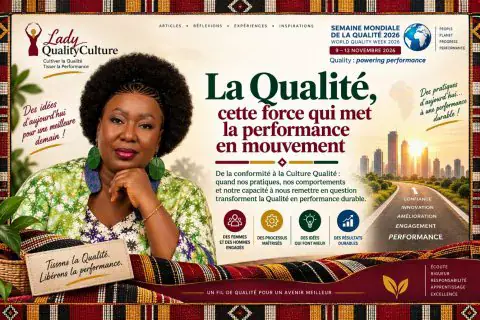
As Burkina Faso celebrates the 2026 World Quality Week from November 9 to 13, the nation is focusing on the theme "Quality: powering performance." This year's theme encourages citizens to reassess the true impact of quality management on performance. The concept of quality is often associated with procedures, audits, and regulatory requirements, but it encompasses more than that. It involves a culture that promotes decision-making, risk management, and continuous learning.
The performance of organizations is often measured by their results, efficiency, and indicators. However, quality is the driving force behind these outcomes. It is about creating a culture that enables organizations to achieve reliable and sustainable results. In Burkina Faso, this means adopting a mindset that prioritizes quality in all aspects of life. By doing so, citizens can contribute to building a more resilient and innovative nation.
A common habit that can hinder quality is the tendency to stick to traditional practices simply because they have always been done that way. LadyQualityCulture, a proponent of quality management, shares an anecdote about a service team that had been following a particular procedure for years. When asked why they did things a certain way, the team replied that it was just how they had always done it. However, LadyQualityCulture pointed out that just because something has been done a certain way for a long time does not mean it is the best way.
The conversation with the service team led to a re-evaluation of their practices, and they began to question their habits. They identified risks and areas for improvement, and made changes to simplify and secure their processes. This experience highlights the importance of regularly assessing and refining practices to ensure they remain relevant and effective. By doing so, organizations can make progress and improve their performance.
Having a culture of quality means moving beyond mere compliance with procedures and regulations. It involves understanding the purpose behind these procedures and being committed to continuous improvement. LadyQualityCulture shares another anecdote about someone who claimed to have been working in quality management for a long time. However, LadyQualityCulture asked whether that person's experience had translated into real changes in their behavior and practices.
The conversation highlights the distinction between experience and a genuine culture of quality. Having experience is valuable, but it is not a guarantee of a quality culture. A culture of quality is demonstrated by the way knowledge and experience shape behaviors and practices. In Burkina Faso, this means that citizens, organizations, and institutions must prioritize quality and strive to create a culture that supports it.
Ultimately, having a culture of quality means moving from simply knowing something to truly understanding it. It involves being able to question habits and practices and seeking ways to improve them. By adopting this mindset, Burkina Faso can build a stronger, more resilient nation that is capable of achieving its goals and ambitions. The 2026 World Quality Week serves as a reminder of the importance of prioritizing quality in all aspects of life.
Key points
- The theme of the 2026 World Quality Week is "Quality: powering performance," emphasizing the need to reassess the impact of quality management.