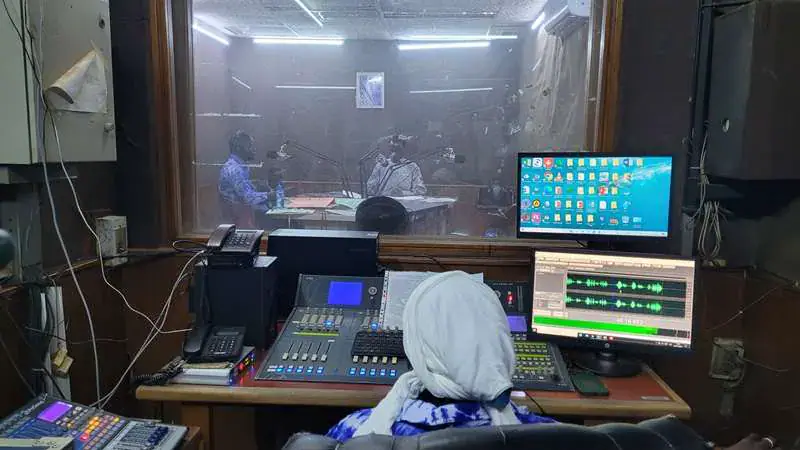
The national communication month for health in local languages recently continued in Bobo-Dioulasso, Burkina Faso. On November 25, 2026, a press caravan visited newly built health and social promotion centers. They observed healthcare providers and patients communicating in local languages. The caravan then went to the radiotherapy center and the Radio nationale de Bobo-Dioulasso. A radio show focused on viral hepatitis, specifically the different types of viruses and their symptoms.
Dr. Ibrahim Sanou, a doctor at the Dô medical center, discussed symptoms, manifestations, and prevention methods with listeners. He explained that symptoms include unjustified fatigue, itching, and abdominal pain. In severe cases, patients may experience coma or disorientation. Dr. Sanou recommended screening for hepatitis B as a preventive measure and advocated for a healthy lifestyle to prevent other types of hepatitis. The show was broadcast in the local Dioula language for an hour.
At least thirty listeners participated in the radio show. Dr. Sanou stated that communicating in local languages helps people understand health information better. He mentioned that some listeners called to thank the show for providing valuable information they were previously unaware of. The initiative aims to educate people about various health issues in languages they can understand.
In the Guiriko region, twenty radio shows totaling 22 hours of airtime were broadcast in Dioula, French, Bobo, and Bwamu. These shows covered the provinces of Tuy, Houet, and Kénédougou. Midway through the project, ninety-two listeners had interacted with the shows. Medical professionals, nurses, and hygiene engineers from local health districts hosted the shows.
According to Bakary Ben Sanou, an animator at Radio nationale, the health ministry's initiative was eagerly anticipated by the population. He noted that people often resorted to self-medication due to a lack of reliable information. The national communication month for health in local languages has made people feel closer to accurate information and allowed them to express their concerns to healthcare professionals on air.
The Guiriko region has benefited from significant investments in healthcare infrastructure. A university hospital center was built in Pala, along with communal medical centers and twelve health and social promotion centers. Twenty-eight community health posts were also established under the MPSR II program. Additionally, the region received two mobile clinics that provided services to 27,164 women during the communication month.
The mobile clinics provided various health services, including 3,972 breast cancer screenings and 800 screenings for precancerous lesions. These initiatives demonstrate the government's commitment to improving healthcare in Burkina Faso. By promoting health awareness in local languages, officials hope to educate more people about various health issues and encourage them to seek medical attention when needed.
Key points
- Health officials in Burkina Faso are using local languages to educate people about viral hepatitis and other health issues through radio shows.
- The initiative aims to promote health awareness and encourage people to seek medical attention when needed.
- The government has also invested in healthcare infrastructure, including university hospital centers, communal medical centers, and community health posts.