Today, Burkina Faso marks the 12th anniversary of a historic uprising that changed the course of the country's history. On October 30, 2014, a massive mobilization of citizens took to the streets to protest against a proposed constitutional amendment that would have allowed President Blaise Compaoré to seek re-election. The protests, which began as a call to reject the amendment, quickly escalated into a broader demand for Compaoré's resignation.
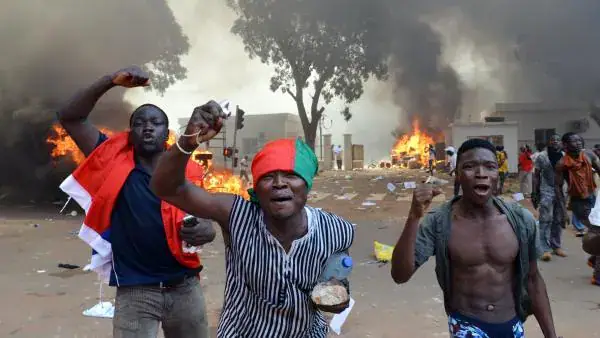
The protests were widespread, with thousands of citizens taking to the streets in Ouagadougou and other cities across the country. The opposition and civil society organizations had been calling for a mobilization to prevent what they saw as an attempt by Compaoré to extend his stay in power. As the protests gained momentum, the government responded with force, but the people would not be silenced. The National Assembly was set to debate the constitutional amendment when protesters stormed the building, setting it ablaze.
The images of the National Assembly in flames were beamed around the world, symbolizing the popular rejection of Compaoré's attempt to extend his stay in power. The protests were not limited to the National Assembly; several public buildings, including the headquarters of the ruling Congress for Democracy and Progress (CDP), were also targeted. In Bobo-Dioulasso, the country's second-largest city, protests also turned violent.
As the situation spiralled out of control, Compaoré announced a series of measures, including the dissolution of the government and the imposition of emergency measures. However, the protesters would not be placated, and their demands went beyond the withdrawal of the constitutional amendment. They called for Compaoré's resignation, and the army eventually intervened, dissolving the National Assembly and government.
On October 31, 2014, Compaoré announced his resignation and fled the country for Côte d'Ivoire, ending 27 years of his rule. The uprising came at a great cost, with 34 people killed and over 400 injured, according to a report by the Coordination of Associations for Assistance and Popular Relief. The event marked a significant turning point in Burkina Faso's history, opening a new chapter of transition and uncertainty.
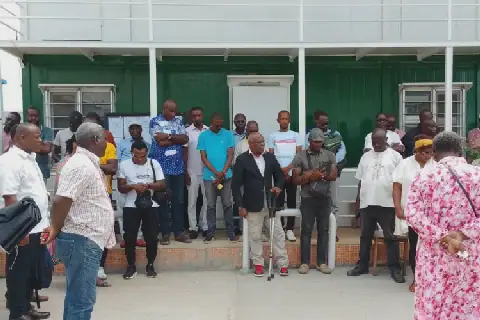
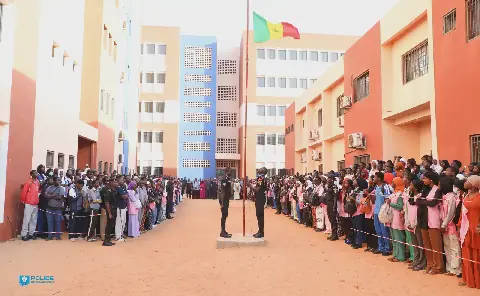
Twelve years on, the legacy of the uprising continues to be felt in Burkina Faso. The country has experienced a transition, elections, and new crises, but the memory of the uprising remains a powerful symbol of the people's determination to shape their own destiny. Official commemorations have been held to honor the martyrs of the uprising, and the event remains an important part of Burkina Faso's national narrative.
As Burkina Faso looks to the future, the lessons of the 2014 uprising remain relevant. The event showed that even in the face of entrenched power, the collective voice of the people can bring about change. Today, as the country continues to navigate its complex history and current challenges, the memory of the uprising serves as a reminder of the power of popular mobilization and the importance of democratic values.
Key points
- The 2014 uprising in Burkina Faso was a pivotal moment in the country's history, marking the end of Blaise Compaoré's 27-year rule.
- The protests, which began as a call to reject a constitutional amendment, quickly escalated into a broader demand for Compaoré's resignation.
- The uprising came at a great cost, with 34 people killed and over 400 injured.