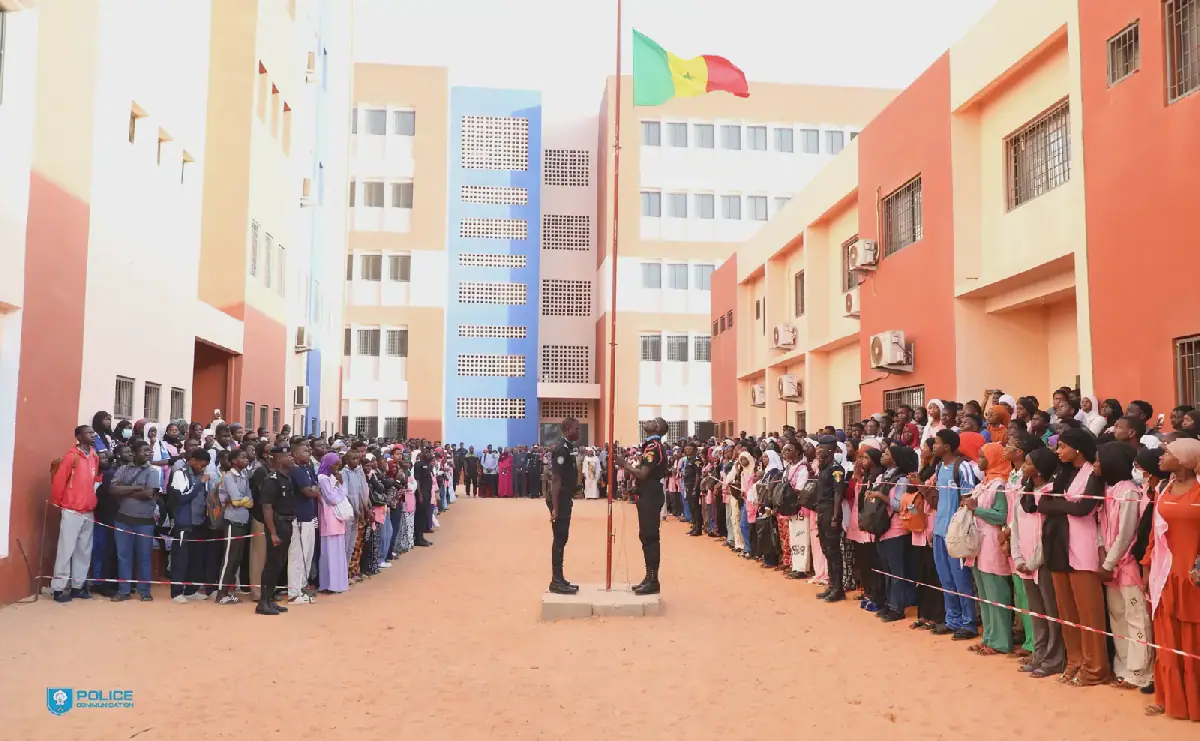
Senegal's Seydina Limamou Laye high school, a reputable institution known for its academic excellence, is facing a significant challenge. Despite plans to expand its facilities, the school is struggling with a shortage of teachers. According to the school's principal, Aliou Diallo, 25 teachers have retired, and their positions have not been filled, leaving several posts vacant. This shortage is particularly concerning given that the school has welcomed around 2,011 new students in its second-year class.
The teacher shortage is not unique to Seydina Limamou Laye, as other schools in the same academic district face similar challenges. The situation raises questions about the balance between educational goals and the actual capacity of schools to provide quality education. Principal Diallo emphasizes that the school's goal is not only to accommodate more students but also to maintain its high standards of education, particularly in national competitions like the Concours général and the baccalauréat.
The school's performance in these competitions has been impressive, with students achieving above-average results despite not having the highest entry grades. However, the lack of resources, including classrooms and teachers, has impacted results. The principal notes that an improvement was observed last year, and he is hopeful that the new facilities will further enhance learning conditions.
The construction of new facilities, which began four years ago, aims to improve the learning environment but has also caused disruptions due to noise, worker movement, and equipment usage. The school's administration is eager to return to a more serene pedagogical environment. In addition to academic education, Seydina Limamou Laye offers technical and vocational training programs, from the Certificate of Aptitude (CAP) to higher diplomas.
These programs focus on providing students with practical skills that can be directly applied in the workforce. Principal Diallo stresses the importance of this type of training in preparing students for employment and urges authorities to allocate more resources to vocational education. The cost of equipment and materials for practical training is a significant challenge.
The school's expansion and growth in student numbers have highlighted the need for more teachers and better resources. Principal Diallo calls on the authorities to provide more support, stating, "You send us students and entrust us with their education; send us teachers as well." He emphasizes that the quality of education cannot be separated from the human and material resources available to support students.
The situation at Seydina Limamou Laye high school reflects a broader challenge in Senegal's education system, where the growth in student numbers and the expansion of educational institutions must be balanced with the availability of qualified teachers and adequate resources. The school's administration remains committed to providing quality education and achieving academic excellence despite these challenges.
Key points
- The school is struggling with a shortage of 25 teachers who have retired and not been replaced.
- The school's expansion aims to accommodate more students but also requires more teachers and resources.
- The institution offers technical and vocational training programs to prepare students for the workforce.