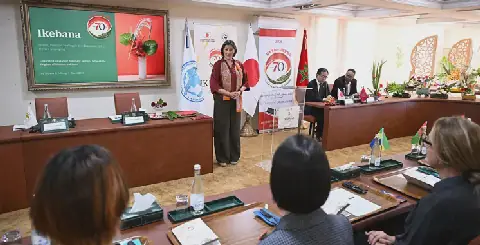
The government of Burkina Faso has taken a significant step towards transforming its education system with the launch of the Pact NEKRE on October 17, 2026. This initiative, unveiled by the Prime Minister on behalf of the President, aims to refound the Burkinabè school system. The Pact NEKRE seeks to mobilize the state, teachers, students, parents, and the entire community around a common goal: building a more inclusive, demanding, and forward-thinking school system.
Education is a strategic investment for any country, and Burkina Faso is no exception. A well-educated population is essential for the development of a nation, as it provides the skills needed to administer institutions, develop agriculture, construct infrastructure, improve healthcare, modernize industry, and manage natural resources. Conversely, a lack of quality education can limit development opportunities, hinder productivity, and make a country more dependent on external knowledge and technology.
The Pact NEKRE places the child at the heart of sustainable development, with one of its primary ambitions being to ensure that no child or young person is left behind in education. This is particularly crucial in a country facing economic difficulties, territorial inequalities, and security challenges. Many children risk being deprived of learning opportunities, while others may live far from schools, drop out of education, or lack the necessary conditions to succeed.
The initiative aims to provide a quality education that not only imparts knowledge but also skills and confidence, enabling children to build their futures and contribute to the development of their country. Education should not be limited to academic achievement; it should also focus on developing essential values such as honesty, solidarity, discipline, and patriotism. The Pact NEKRE seeks to create a school system that recognizes diverse talents and offers multiple paths to success.
Jonas Hien, an advocate for education reform, emphasizes that the school system should not only focus on academic achievement but also on providing children with the skills and confidence to build their futures. He argues that the current education system should be transformed to prioritize the development of the child's personality, creativity, and problem-solving skills. This can be achieved by promoting an education that is more inclusive, more demanding, and more in tune with national realities.
The development of technical education and vocational training is also crucial, as it enables young people to acquire practical skills and respond to real societal needs. By mastering a trade or skill, young people can build their futures and contribute to the country's development. The Pact NEKRE opens up a necessary reflection on the place of each child in national construction, with a focus on forming young people capable of creating jobs, not just seeking them.
The launch of the Pact NEKRE has sparked a national conversation about the future of education in Burkina Faso. As the country moves forward with this initiative, it is essential to prioritize the needs of all children, ensuring that they have access to quality education and the opportunities they need to succeed. By investing in education, Burkina Faso can build a brighter future for its young people and create a more prosperous and equitable society.
Key points
- The Pact NEKRE aims to transform Burkina Faso's education system by providing a more inclusive, demanding, and forward-thinking school system.