The district sanitaire de Houndé in Burkina Faso has initiated a mass treatment campaign against schistosomiasis, a parasitic disease that predominantly affects children. The campaign, which ran from October 26 to 31, 2026, aims to treat 39,297 children aged 5 to 14 years in 14 health formations within the commune. This effort seeks to combat the disease, which can cause severe complications if left untreated.
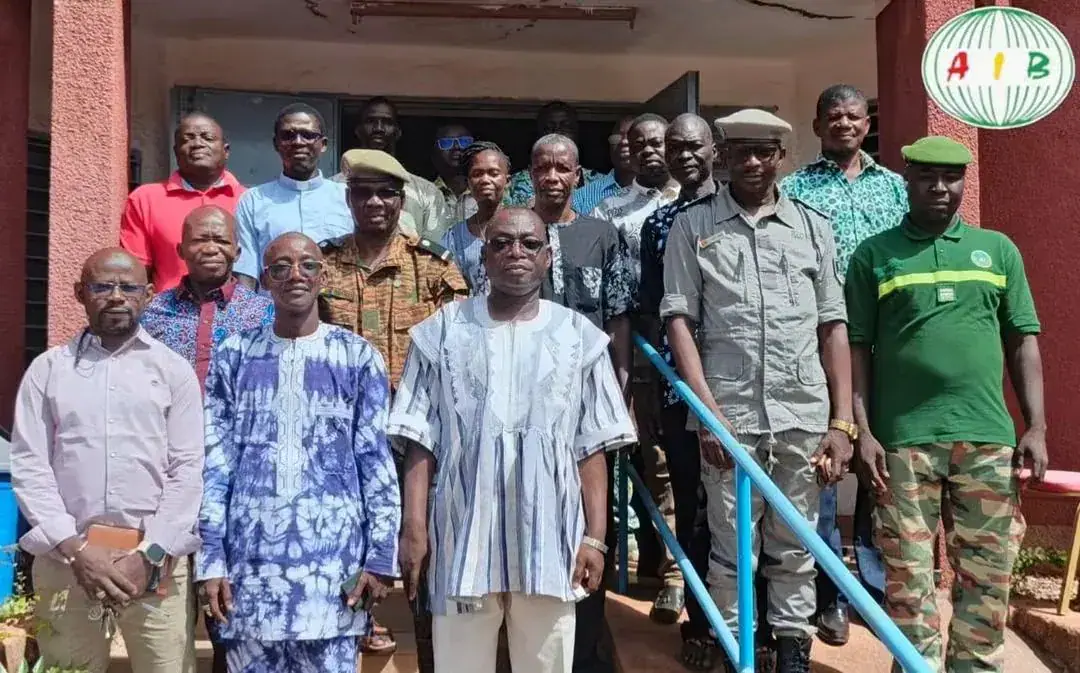
Prior to the campaign, a advocacy meeting was held on October 26, 2026, in Houndé, presided over by the High Commissioner of Tuy province, Issiaka Segda. The meeting brought together administrative, health, education, religious, and customary authorities to mobilize stakeholders around the operation. The goal was to ensure the success of the campaign by engaging all relevant parties.
During the meeting, Wendpouré Ouédraogo, responsible for the Centre de l’information sanitaire et de la surveillance épidémiologique (CISSE), explained that schistosomiasis is a parasitic disease transmitted through contact with infested freshwater. The disease can lead to several complications, including anemia, growth retardation, and renal, neurological, pulmonary, or cerebral damage. Infected individuals may exhibit symptoms such as fever, chills, nausea, abdominal pain, and diarrhea.
The treatment for schistosomiasis involves administering praziquantel, with the dose adjusted according to the child's size, measured using a stadiometer. According to Wendpouré Ouédraogo, the district sanitaire de Houndé achieved a coverage rate of 109% among children in 2025, indicating a high level of success in previous campaigns.
In his address, High Commissioner Issiaka Segda urged parents, school administrators, and religious and customary authorities to facilitate the administration of treatment to the children concerned. He reaffirmed the administration's commitment to supporting the implementation of this campaign, ensuring that all necessary resources are available for its success.
The campaign is a significant effort to control and eliminate schistosomiasis in the region. By targeting children aged 5 to 14, the initiative aims to reduce the prevalence of the disease and mitigate its impact on the health and well-being of the local population. The involvement of various stakeholders is crucial to achieving these objectives.
The district sanitaire de Houndé's proactive approach to addressing schistosomiasis demonstrates its commitment to improving public health in the region. The success of this campaign will depend on the continued collaboration and support of all stakeholders involved. Key to this effort is the administration of praziquantel to the targeted children, which will help prevent further complications and reduce the transmission of the disease.
Key points
- The campaign targets 39,297 children aged 5-14 in Houndé, Burkina Faso.
- Schistosomiasis is a parasitic disease transmitted through contact with infested freshwater.
- The treatment involves administering praziquantel, with the dose adjusted according to the child's size.