The justice system in Burkina Faso has taken a significant step in its fight against terrorism by issuing international arrest warrants for 45 individuals and entities. These individuals and entities are accused of various terrorism-related offenses, including apology for terrorism, dissemination of images and videos with terrorist connotations, and financing terrorism. The warrants were issued on November 13, 2026, by the Burkinabé justice system, which has been actively pursuing those accused of supporting terrorist activities.
The accused individuals include activists, journalists, former government officials, and military personnel. Notable figures such as Naïm Touré, Oumar Coulibaly, Newton Ahmed Barry, and Adama Ouédraogo are among those facing international arrest warrants. Some of the accused are residents of countries like Côte d'Ivoire, the United States, and France, prompting the Burkinabé justice system to request extradition and international cooperation in their arrest.
The Burkinabé justice system has categorized the 45 individuals and entities into three groups. The first group consists of those facing international arrest warrants and extradition requests. The second group includes individuals facing standard arrest warrants, while the third group comprises social media pages accused of promoting terrorism. The justice system has also requested that social media platforms, including Facebook, identify and ban pages promoting terrorist content.
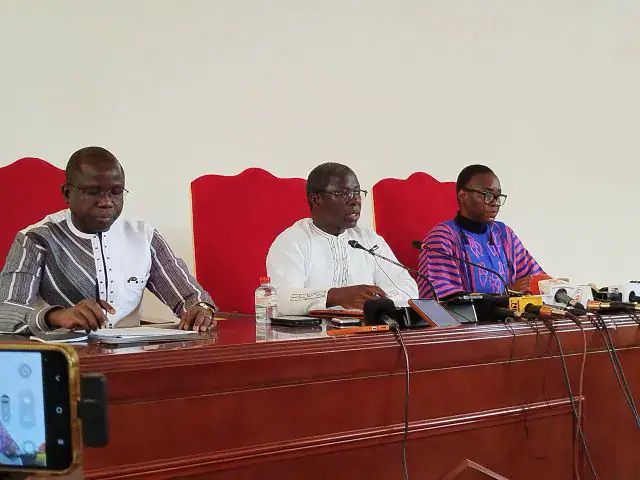
The move is part of a broader effort by Burkina Faso to combat terrorism, which has plagued the country and its Sahel region allies for over a decade. The Burkinabé government has been working to mobilize its population against terrorist forces, and the justice system's actions are seen as a crucial component of this strategy. According to the Procureur général près la Cour d'Appel de Ouagadougou, Désiré Pingdwendé Sawadogo, the accused individuals have chosen to "betray their country by joining the enemy or becoming their communicators on social media."
The charges against the accused individuals and entities are severe, with potential penalties under Burkinabé law including imprisonment. The justice system has invoked various articles of the Burkinabé penal code and the country's law on combating money laundering and terrorism financing. The international community's cooperation is crucial in bringing the accused to justice, with the Burkinabé government relying on extradition treaties and international law to facilitate their arrest.
The fight against terrorism requires international cooperation, and Burkina Faso is seeking assistance from countries where the accused individuals reside. The Burkinabé justice system has requested that countries like Côte d'Ivoire, the United States, and France take action against the accused individuals and entities within their jurisdictions. This cooperation is essential in preventing the spread of terrorism and ensuring that those responsible are held accountable.
The Burkinabé government's efforts to combat terrorism are ongoing, with the justice system playing a critical role in disrupting terrorist networks. The issuance of international arrest warrants for 45 individuals and entities marks a significant step in this effort, demonstrating the government's commitment to addressing the terrorist threat. The international community's support and cooperation are essential in helping Burkina Faso to overcome this challenge.
Key points
- International arrest warrants have been issued for 45 individuals and entities accused of terrorism-related offenses in Burkina Faso.
- The accused individuals include activists, journalists, and former government officials, some of whom reside in countries like Côte d'Ivoire, the United States, and France.
- The Burkinabé justice system is seeking international cooperation in the arrest and extradition of the accused individuals, in accordance with relevant international laws and treaties.