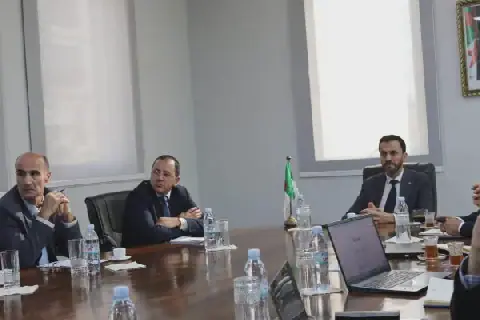
The Burkinabé government has taken a significant step towards protecting donkeys, camels, and horses in the country. On October 2, 2026, the Directorate-General of Veterinary Services (DGSV) organized a workshop in Ouagadougou to popularize the new regulatory framework. The workshop brought together administrative, religious, and customary authorities, veterinary services, customs, defense and security forces, VDP, and representatives of breeders. The goal was to familiarize them with the new provisions and strengthen their application on the ground.
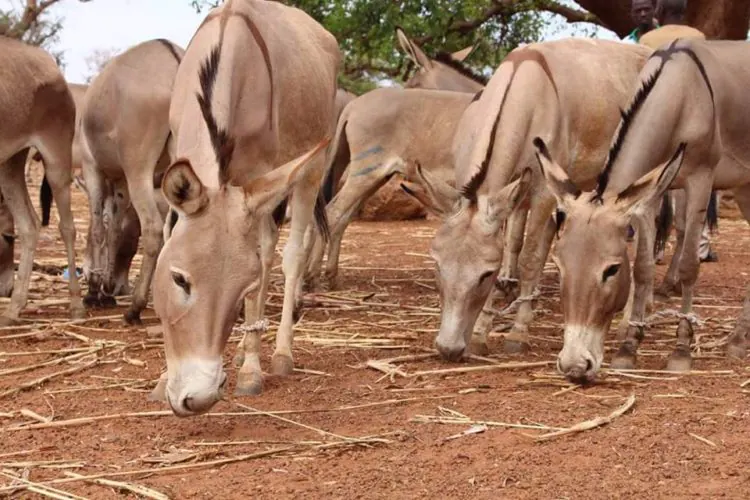
According to Hiver Boussini, Technical Advisor to the Minister Delegate for Animal Resources, donkeys, camels, and horses play a vital role in rural families, particularly in transportation and daily economic activities. He emphasized that protecting these animals is essential for the future of rural villages and agricultural sovereignty. The new regulations aim to address the pressure exerted on these species by trafficking and slaughter for external demand.
The previous regulatory device was deemed insufficient, leading to massive animal exports to neighboring countries. In response, the Council of Ministers adopted a decree on May 21, 2026, regulating the slaughter, internal movement, and export of donkeys, camels, horses, and their products. The new text updates the 2016 decree and includes provisions for internal animal movement and the management of seized animals and products.
The new regulations introduce several key measures, including a permit for traders operating in the sector and prior authorization for movement in areas identified as high-risk for trafficking. The decree also provides for the seizure or confiscation of animals and their products. Dr. Kadré Sanfo, Director of Public Veterinary Health and Legislation, emphasized that the workshop aimed to enable stakeholders to understand and apply these new provisions.
The consequences of trafficking on rural populations were also highlighted during the workshop. The breeding of donkeys, camels, and horses has significant socio-economic and cultural importance for rural communities. However, since 2015, the existence of donkeys has been threatened by strong Asian demand for products derived from these animals, such as donkey skins used in the production of ejiao in China.
Emmanuel Bouré Sarr, Regional Director of BROOKE West Africa, stressed that the new text constitutes a tool for better controlling animal movements and combating their illicit export. He welcomed the workshop as a crucial step towards popularization and appropriation of the new regulations. The effectiveness of the new device will depend on its knowledge and application by veterinary services, security forces, customs, trade actors, and concerned communities.
The workshop marked an important milestone in the implementation of the new regulatory framework. Stakeholders emphasized the need for collaboration and coordination to ensure the successful application of the new regulations. The Burkinabé government hopes that this initiative will help protect donkeys, camels, and horses and promote sustainable animal resources management in the country.
Key points
- The Burkinabé government has introduced a new regulatory framework to protect donkeys, camels, and horses from trafficking and abuse.
- The new regulations include provisions for internal animal movement, management of seized animals and products, and a permit for traders operating in the sector.
- The effectiveness of the new device will depend on its knowledge and application by veterinary services, security forces, customs, trade actors, and concerned communities.