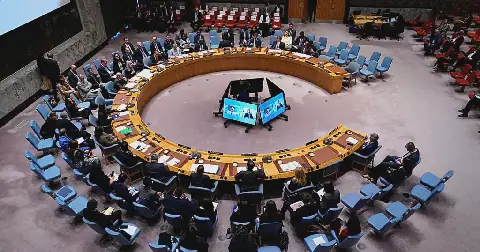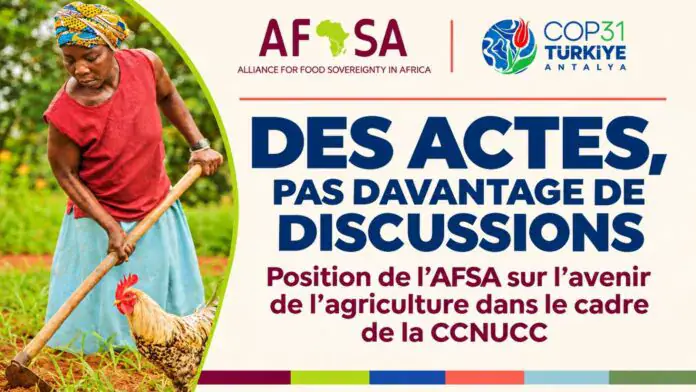
The Alliance for Food Sovereignty in Africa (AFSA) is urging the 31st Conference of the Parties (COP31) to address the long-standing gap in implementing climate change initiatives for agricultural and food systems. AFSA, which represents over 40 networks of small-scale food producers across 50 African countries, emphasizes that nearly a decade of negotiations has not translated into tangible support for farmers.
The agriculture sector has been on the discussion table within two specific work programs under the United Nations Framework Convention on Climate Change (UNFCCC) since 2017. These include the Koronivia Joint Work on Agriculture and the Sharm el-Sheikh Joint Work on Implementation of Climate Action on Agriculture and Food Security (SJWA). Despite these efforts, only 0.8% of climate finance reaches small-scale agro-food systems, with a 44% decline in flows over just two years.
AFSA stresses that COP31 must recognize agroecology as a proven and viable approach for adaptation and mitigation. This includes farmer-managed seed systems, soil restoration, biodiversity, and territorial food systems as a priority approach for resilience. The alliance demands a decision that allocates necessary finances and establishes a clear plan of action with annual steps, institutional responsibilities, and public reviews of progress at each COP.
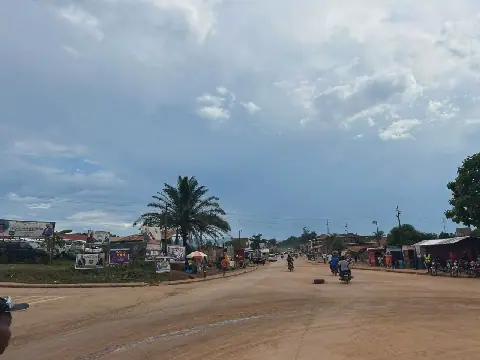
The consequences of delayed action are evident in African rural areas, where climate change has reduced agricultural productivity growth by 34% since 1961. Climate-related disasters affected at least 13 million people across the continent in 2025 alone. AFSA insists that COP31 should focus on who will finance climate actions, by when, through which institutions, and with what level of accountability to communities.
Although the SJWA has generated some progress, including workshops and synthesis reports, AFSA argues that these are not sufficient. The alliance calls for COP31 to transform these efforts into an operational decision, not just another cycle of reporting. The second workshop during the Subsidiary Body 64 highlighted access barriers to finance for producers and identified opportunities for agroecology and local actions.
AFSA rejects any COP31 outcome that merely prolongs workshops or rebrands dialogue as "implementation." The critical criterion for African food producers is whether resources and decision-making power reach communities, enabling resilient and biodiverse agricultural systems that ensure food sovereignty. The alliance demands an explicitly funded implementation decision with a precise timeline.
To achieve this, AFSA suggests integrating community-led agroecology into Nationally Determined Contributions (NDCs) and National Adaptation Plans (NAPs). This should involve plans developed in collaboration with farmers', herders', fisherfolk's, indigenous peoples', women’s, and youth organizations, rather than being imposed upon them.
Key points
- AFSA urges COP31 to establish a dedicated framework for agricultural and food systems focusing on implementation with a funded action plan.