The Burkinabé government has granted authorization for 18 traditional medicines to be released onto the market, marking a significant development in the country's healthcare sector. This move underscores the importance of traditional pharmacopoeia in Burkina Faso's healthcare system, with approximately 11,000 traditional practitioners involved in patient care, although only 500 are officially recognized by the Ministry of Health.
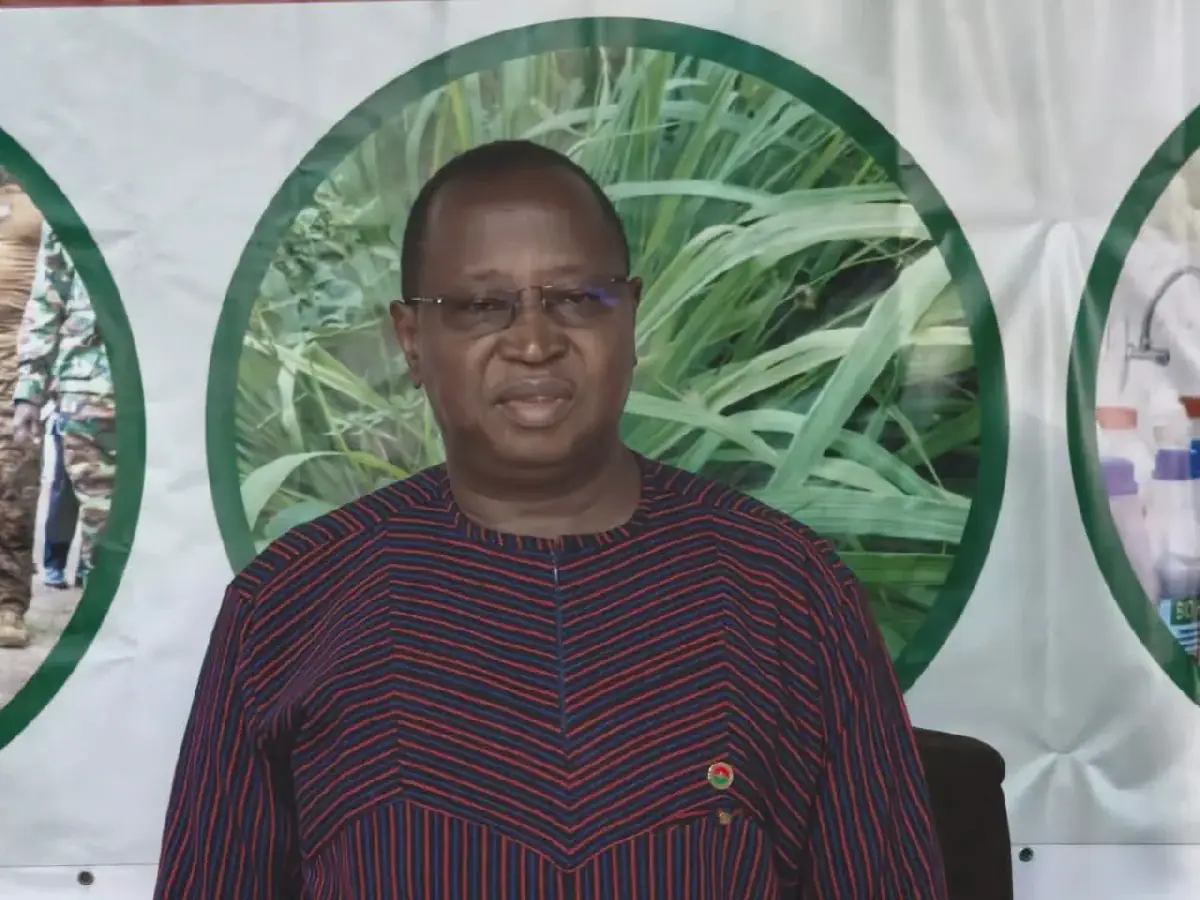
The announcement was made by Professor Adjima Thiombiano, Minister of Higher Education, Research, and Innovation, on behalf of Prime Minister Rimtalba Jean Emmanuel Ouédraogo. Speaking at the opening of the 2026 ordinary session of the High National Council for Scientific Research and Innovation, Thiombiano emphasized the significance of traditional medicine in Burkina Faso's healthcare landscape.
The session, themed "Endogenous Knowledge and Sustainability of Health Systems, Scientific and Economic Valorization of Medicinal Plants for Health Sovereignty in Burkina Faso," focuses on harnessing the country's floral heritage. Thiombiano called for intensified research and development on medicinal plants, including the establishment of mixed research teams, while ensuring respect for the rights of communities holding traditional knowledge.
Thiombiano stressed the need to guarantee fair and equitable access to and sharing of benefits derived from the exploitation of biological resources and associated traditional knowledge. He also encouraged stakeholders to prioritize phytomedicines in prescriptions, contributing to the development of a holistic healthcare system incorporating human, animal, and environmental dimensions.
The government has established the Special Contribution for Research and Innovation to support research and innovation in the service of populations. This initiative aims to promote the development of traditional medicine and ensure its integration into the national healthcare system.
According to Thiombiano, the authorization of traditional medicines is a crucial step towards achieving health sovereignty in Burkina Faso. He urged stakeholders to work together to harness the potential of traditional medicine, while ensuring its safe and effective use.
The Burkinabé government's recognition of traditional medicine is expected to boost the sector, providing new opportunities for traditional practitioners and researchers. The development is also seen as a step towards promoting the country's rich floral heritage and ensuring access to affordable and effective healthcare for its citizens.
Key points
- The Burkinabé government has authorized 18 traditional medicines for market release, highlighting the importance of traditional pharmacopoeia in the country's healthcare system.