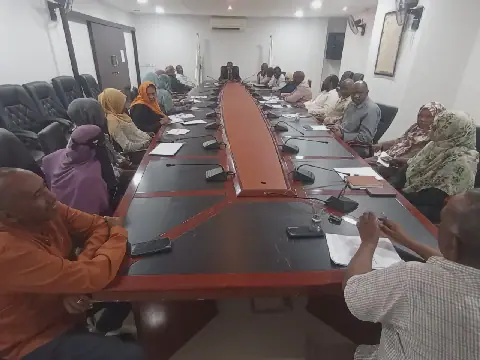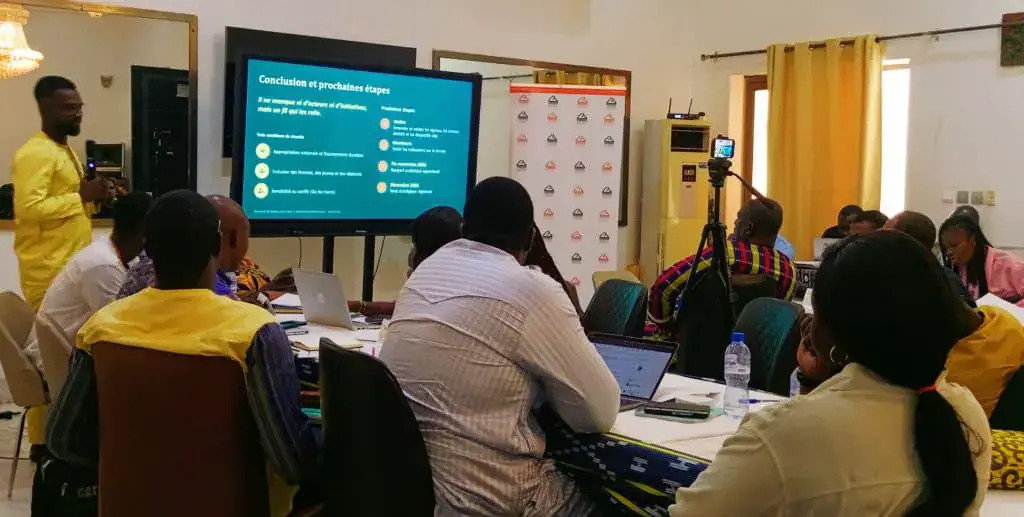
A national workshop on dialogue and social cohesion, organized by Gorée Institute, took place in Ouagadougou from November 3 to 5, 2026. The event brought together various stakeholders to discuss mechanisms for conflict prevention and peace consolidation in Burkina Faso. Participants included representatives from local communities, civil society organizations, and government agencies. The workshop featured three panels and a participatory workshop, allowing attendees to share their experiences and contribute to the project's objectives.
The workshop's closing session saw participants recommend strengthening endogenous conflict resolution mechanisms, improving coordination among local initiatives, and remaining vigilant against hate speech and social tension indicators. Dr. Latyr Tine, regional coordinator of the RISE-Dialogue project, positively evaluated the meeting, highlighting the alignment of actions with Burkina Faso's national recovery strategy. He emphasized that the project's pilot phase, running from September to December 2026, would inform the second phase, set to begin in January 2027.
Abbé Éric Da, secretary-general of the Burkinabé-B Niger Episcopal Conference's Justice and Peace Commission, warned about the dangers of stigmatization through certain jokes and hate speech circulating on social media. He stressed that ignoring these phenomena could undermine social cohesion. Imam Alidou Ilboudo, representing the Federation of Islamic Associations of Burkina Faso, called for better coordination of peace initiatives, citing the need to avoid duplication of efforts among organizations working with similar beneficiaries.
Mamounata Ouédraogo, executive director of the Rural Women's Promotion and Empowerment Network (REPAFER Burkina), advocated for the valorization of traditional practices in conflict resolution. She suggested examining existing endogenous mechanisms documented by the Ministry of Human Rights to identify those still relevant to the current context. The practice of "parenté à plaisanterie" (a form of social relationship) was also mentioned as a valuable tradition to promote.
Lido Thierno, a journalist at Radio Pulsar, noted that the workshop's discussions and exchanges helped him better understand endogenous conflict resolution mechanisms. He believed that these insights could contribute to more in-depth coverage of peace and social cohesion issues in the media. Participants overall called for responses more grounded in local realities and fostered through enhanced collaboration among stakeholders.
The RISE-Dialogue project's national consultation will inform its continuation in Burkina Faso and five other countries. The project's focus on endogenous mechanisms and local ownership aims to create more effective and sustainable peacebuilding strategies. By engaging diverse stakeholders, the initiative seeks to promote a culture of peace and social cohesion in Burkina Faso.
The workshop's recommendations and outcomes will be crucial in shaping the project's future activities and ensuring that peacebuilding efforts in Burkina Faso are context-specific and effective. Key stakeholders will work together to implement these recommendations, fostering a collaborative approach to peace consolidation and social cohesion in the country.
Key points
- The workshop recommended strengthening endogenous conflict resolution mechanisms and improving coordination among local initiatives to promote peace and social cohesion in Burkina Faso.