The city of Bukavu in the Democratic Republic of Congo is experiencing a significant surge in prices of essential goods, primarily food items, due to the ongoing conflict between the RFN and FARDC. This increase has been observed in major markets such as Kadutu, Nyawera, and Beach Muhanzi. According to local vendors, some products have doubled or tripled in price, while others have become scarce.
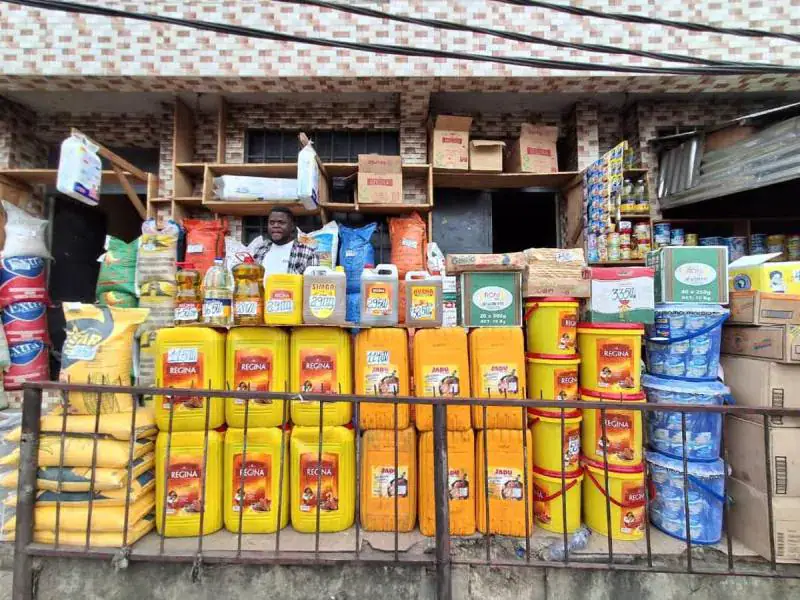
The conflict has led to a precarious security situation, making roads such as Bukavu-Uvira, Bukavu-Kamituga, and Bukavu-Bunyakiri-Hombo less traversable due to recurrent clashes. This has resulted in a shortage of goods in the markets. Nabintu, a vendor at the Kadutu market, reported that a measure of beans has increased from 3500 FC to 7000 FC, while a can of oil has risen from 25 to nearly 40 dollars.
The scarcity of certain products, such as fresh fish called "Thomson," has been noted, and there has been an increase in the price of corn flour and potatoes. Another vendor at the Beach Muhanzi market stated that a bag of ordinary corn flour has risen from 27,000 FC to 40,000 FC, while a bar of soap now costs around 3500 FC, and a bag of charcoal has increased from 40,000 FC to over 65,000 FC or 70,000 FC.
The conflict has also disrupted activities along the Uvira-Bukavu axis, causing recurrent clashes that have impacted the availability of goods. Fish called Mikeke, which were previously sourced from this axis, are no longer visible in the markets. Furthermore, transportation challenges have arisen, with vehicles and motorcycles facing difficulties reaching their destinations, particularly towards Kamituga and its surroundings.
Transporters have reported that on this route, the issue of barriers also negatively impacts activities, with sums ranging from 5000 to 10,000 FC being imposed by barriers. This has led to increased prices for goods such as palm oil and cassava, which are becoming scarcer in the markets. The situation is affecting household budgets, especially with the closure of banks, reduced services, and disruption of academic activities.
The ongoing clashes on various axes, including Bunyakiri-Bukavu, have contributed to the rising costs of essential goods. The situation is being closely monitored, and efforts are being made to address the challenges faced by the local population. The impact of the conflict on the economy and food security in the region is a pressing concern.
The rising prices of essential goods have significant implications for the local population, who are struggling to cope with the economic hardship. The situation requires urgent attention from authorities and humanitarian organizations to mitigate the effects of the conflict on the civilian population.
Key points
- Prices of essential goods in Bukavu have doubled or tripled due to the RFN-FARDC conflict.
- The conflict has disrupted transportation and trade, leading to food scarcity and economic hardship.
- The situation requires urgent attention from authorities and humanitarian organizations to address the challenges faced by the local population.