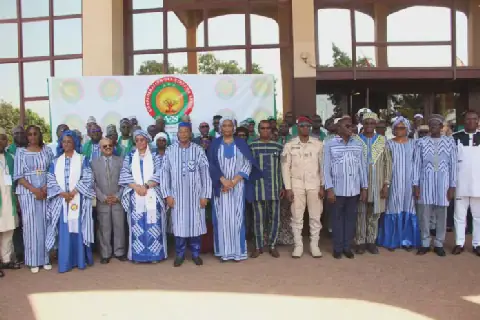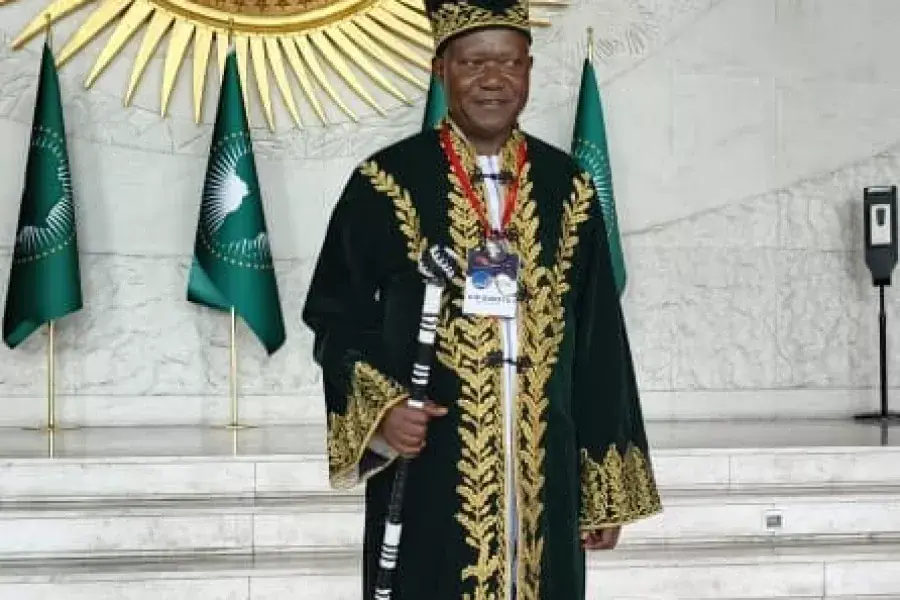
The Umukuuka wa Bugisu, HRH Sir Jude Mike Mudoma III, has dismissed social media reports alleging that the Bugisu Cultural Institution is opposed to the government's Shs18 million resettlement programme for households living in landslide-prone areas of the Bugisu sub-region. Mudoma clarified that the institution fully supports government policies and development programmes, including the financial resettlement arrangement intended to help communities exposed to landslide disasters on the slopes of Mount Elgon relocate to safer areas.
The government's Shs18 million resettlement initiative provides financial assistance to eligible households living in areas exposed to landslides, enabling them to purchase land in safer locations and establish new homes. The programme follows a Cabinet resolution reached on October 5, 2026, during a meeting chaired by President Yoweri Kaguta Museveni. Each verified and eligible household receives a one-off payment of Shs18 million to acquire land either within the Bugisu sub-region or elsewhere in Uganda.
The new approach was introduced after the government encountered challenges securing sufficiently large pieces of land within the Bugisu sub-region for the relocation of all households threatened by landslides. For years, communities on the slopes of Mount Elgon have faced the danger of destructive landslides, which have claimed lives, destroyed homes and affected livelihoods. The government has previously relocated vulnerable households to resettlement areas in Kiryandongo, Bulambuli and Kween districts.
The cash-based arrangement is intended to provide families with greater flexibility to identify and purchase land according to their needs and the availability of suitable locations. By supporting the programme, the Bugisu Cultural Institution is aligning itself with efforts to safeguard communities from recurring natural disasters while ensuring that affected households have an opportunity to rebuild their lives in safer environments.
The Umukuuka's clarification highlights growing concerns about the potential impact of misinformation on the implementation of government programmes, particularly those involving vulnerable communities. Social media platforms have become important channels for communication, but misleading information can create confusion, undermine public confidence and discourage intended beneficiaries from accessing government support.
The government commenced implementation of the new resettlement arrangement in Namisindwa District on October 21, 2026, making it the first district in the Bugisu sub-region to benefit from the rollout. The exercise involves field-based verification to establish eligible households, with priority given to areas facing the greatest landslide risks. Community barazas and radio sensitisation programmes are also part of the implementation strategy.
Beneficiaries have been encouraged to relocate after receiving their payments, although a grace period until December 31, 2026, has been provided to allow households to harvest crops from the land they leave behind. The debate surrounding the Shs18 million resettlement package touches on an important issue for the people of Bugisu: the relationship between ancestral land, cultural heritage and the safety of communities.
Key points
- The Bugisu Cultural Institution supports the government's Shs18 million resettlement programme for households living in landslide-prone areas of the Bugisu sub-region.
- The programme provides financial assistance to eligible households to purchase land in safer locations and establish new homes.
- The institution's support aims to safeguard communities from recurring natural disasters while ensuring that affected households have an opportunity to rebuild their lives in safer environments.
Reporting sources
- Umukuuka Mudoma Warns Against Fake News,... · nilechronicles.com