The European Union is set to impose new sanctions on Russia, with foreign ministers scheduled to make a decision on Monday. According to Kaja Kallas, the EU's foreign policy chief, the new sanctions will be the bloc's largest package against Russia since the conflict in Ukraine began. Kallas stated that the ministers will approve the package, which aims to target Russia's economy and limit its access to certain goods and services.
The new sanctions package has been under discussion for several weeks, with reports suggesting that it will focus on preventing the circumvention of existing sanctions rather than imposing new, wide-ranging restrictions. The EU has been working to tighten its sanctions regime against Russia, which has been subject to various measures since the annexation of Crimea in 2014. The bloc has previously faced challenges in reaching an agreement on new sanctions, with some member states expressing concerns about the economic impact.
The EU's efforts to impose new sanctions on Russia come amid ongoing tensions between the two sides. The Russian government has warned that it will respond to any new measures, with the foreign ministry stating that Brussels has "dug itself into a hole" by imposing sanctions. Russian President Vladimir Putin has repeatedly stated that the West's policy of containing Russia is a long-term strategy, and that the sanctions have had a negative impact on the global economy.
The EU's sanctions regime against Russia has been in place for several years, with the bloc imposing various measures to restrict Russia's access to finance, technology, and other goods and services. However, some critics have argued that the sanctions have not been effective in changing Russia's behavior, and that they have had a negative impact on the European economy. The EU has previously stated that it will continue to work with its partners to ensure that the sanctions are effective and that Russia is held accountable for its actions.
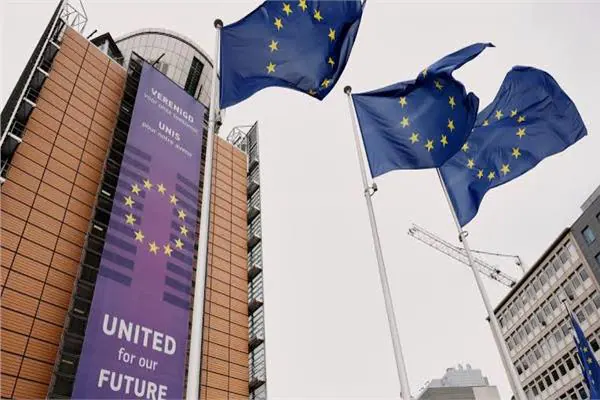
The decision to impose new sanctions on Russia is set to be made at a meeting of EU foreign ministers in Brussels. The ministers will discuss the package and make a final decision on whether to approve it. If approved, the new sanctions will add to the existing measures in place against Russia, which have been imposed in response to the conflict in Ukraine and Russia's actions in the region.
The Russian government has previously stated that it is prepared to withstand the pressure of sanctions, and that it will continue to work to develop its economy and reduce its dependence on the West. However, some analysts have argued that the sanctions have had a significant impact on the Russian economy, and that they have contributed to a decline in living standards and economic growth.
The EU's decision to impose new sanctions on Russia has been welcomed by some countries, including Ukraine, which has been affected by the conflict with Russia. However, other countries have expressed concerns about the impact of the sanctions, and have called for a more diplomatic approach to resolving the conflict. The EU has stated that it will continue to work with its partners to find a peaceful solution to the conflict, while also maintaining its commitment to supporting Ukraine and other affected countries.
Key points
- The EU is set to impose new sanctions on Russia, with foreign ministers scheduled to make a decision on Monday.
- The new sanctions package is expected to be the bloc's largest against Russia since the conflict in Ukraine began.
- The EU has previously faced challenges in reaching an agreement on new sanctions, with some member states expressing concerns about the economic impact.