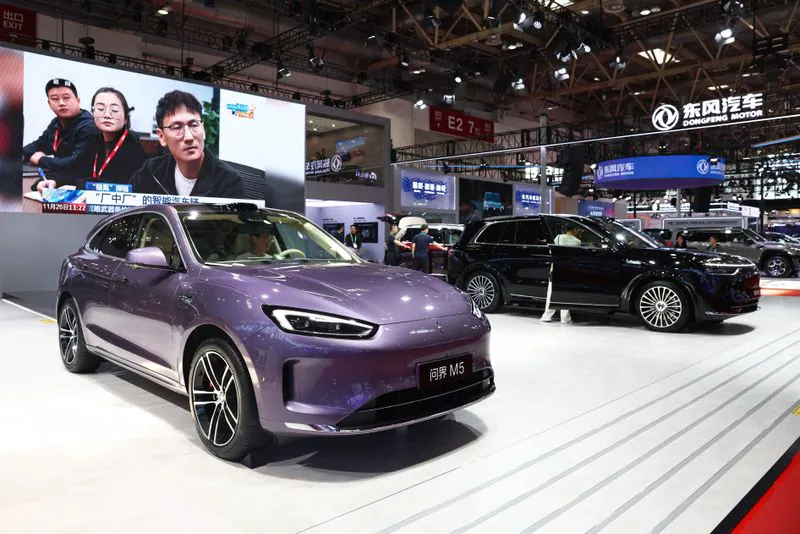
Britain is contemplating imposing tariffs on Chinese electric vehicle imports, according to a report by The Times. The move is driven by concerns that Beijing is subsidising its electric vehicle industry, potentially harming British manufacturers. Business minister Jonathan Reynolds is reportedly drawing up a package of potential tariffs on Chinese vehicle imports.
The report cited concerns that Chinese manufacturers are "dumping" subsidised vehicles into Britain. However, a spokesperson from the British government told Reuters that no tariffs have been imposed on Chinese electric vehicles. The government continues to engage closely with the industry to ensure that its approach reflects the sector's and the UK's national interests.
British ministers are prepared to match the European Union's 45% levy on Chinese electric cars. This move is aimed at avoiding the pain of the EU's "Made in Europe" proposals, which could impact UK companies selling into the EU. The "Made in Europe" policy prioritises European-made goods and reduces reliance on Chinese components.
The policy has raised concerns among British automakers that supply parts into European manufacturing chains and sell vehicles across the bloc. Last month, Andy Burnham said he would make the case that Britain should be treated as a "trusted partner" under the proposed EU rules. He warned that excluding the UK could damage its car industry.
The Financial Times reported in September that Brussels had urged British Prime Minister Andy Burnham to align more closely with EU trade policy and raise tariffs on Chinese cars. This would help Britain avoid the "made in Europe" barriers. According to The Times, British ministers believe that any decision on tariffs should be based on Britain's national interest rather than automatically following the EU's lead.
The consideration of tariffs on Chinese electric cars is part of a broader effort by Britain to protect its automotive industry. The UK is home to several major car manufacturers, including Jaguar Land Rover and Nissan. These companies have expressed concerns about the impact of subsidised Chinese electric vehicles on the British market.
The UK government's decision on tariffs is expected to be influenced by its desire to maintain a close relationship with the EU while also protecting British interests. The government has stated that it will engage closely with the industry to ensure that its approach reflects the sector's and the UK's national interests.
Key points
- Britain may impose tariffs on Chinese electric vehicle imports to protect its automotive industry.
- The UK is considering matching the EU's 45% levy on Chinese electric cars.
- The decision on tariffs will be based on Britain's national interest rather than automatically following the EU's lead.