For generations, ballet has held a special place in gay culture, offering a space where queer people could feel at home. However, this love affair has lost some of its intensity over time. Dirk Badenhorst, Director of Mzansi Ballet, wants to rekindle it in South Africa. He is currently on a drive to bring the gay back to ballet, both on and off the stage. This initiative is not just about nostalgia but also about making ballet more inclusive and relevant to younger, Black, and queer audiences.
Badenhorst's own relationship with ballet began when he was seven, captivated by its beauty, costumes, music, and lyricism. However, his father disapproved of his interest, and he stayed away for several years. This personal history has made his connection to ballet even stronger. He remembers an era when going to the ballet was an occasion for the LGBTQ+ community to come together, dress up, and enjoy an evening out with friends in a safe space.
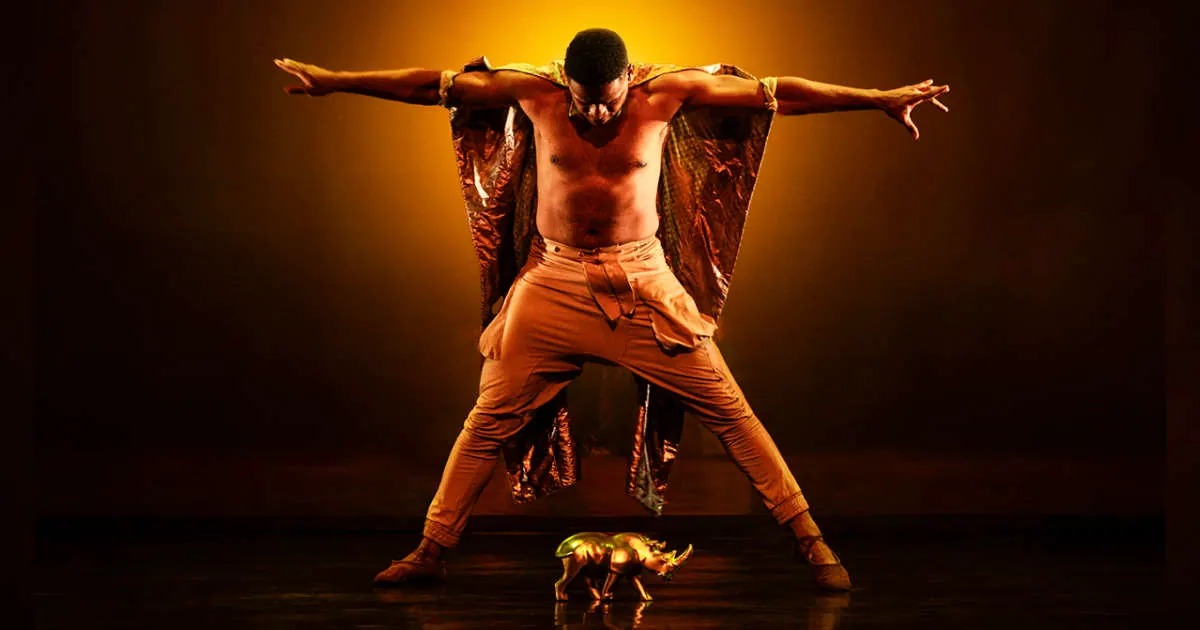
The Gold Rhino of Mapungubwe, Badenhorst's ambitious homegrown production, first performed in 2023, will return to the stage at the University of Pretoria's Aula Theatre on 7 and 8 October. Almost 200 performers will be involved, including Mzansi Ballet dancers, international guest artists, 120 student choristers, and the University of Pretoria Symphony Orchestra. Thirty of the choristers will also become part of the action on stage, making it a spectacular event that challenges traditional notions of ballet.
Badenhorst believes that ballet cannot pretend that audiences or entertainment itself haven't changed. With the rise of TikTok, streaming, and social media, ballet must adapt to compete for people's attention. He argues that ballet can offer something surprisingly radical: being in a room with other human beings and experiencing something together. His pitch to a queer 22-year-old who has never bought a ballet ticket is refreshingly uncomplicated: "You don't have to get the story. You have to be moved by what you see on stage."
Bringing the gay back to ballet is not only about getting queer people onto theatre seats but also about challenging expectations on stage. Badenhorst has experimented with ballet's conventions, combining classical dance with pantsula, jazz, contemporary dance, and hip hop, and casting male dancers in traditionally female roles. One production featured Joshua Williams as Cinderella, showcasing the company's commitment to inclusivity and diversity.
Classical ballet originated in Europe, and in a country grappling with questions of decolonization, representation, and access, some may wonder why South Africans should care about it. Badenhorst points out that football and rugby also have European origins, yet their relevance to African identity is rarely questioned. He argues that South Africans don't need to abandon ballet; they can make it their own by celebrating African achievement and telling stories rooted in African culture.
The Gold Rhino of Mapungubwe tells the story of the ancient kingdom of Mapungubwe and its extraordinary gold artefacts, celebrating African achievement rather than framing the continent through colonialism, conflict, or deprivation. Badenhorst spent more than 30 years searching for a South African story capable of becoming a major ballet. He aims to use the vocabulary of classical ballet to tell a story that is unmistakably African, celebrating South African and African arts, culture, and excellence.
Key points
- Dirk Badenhorst aims to rekindle the historical connection between ballet and the LGBTQ+ community in South Africa through The Gold Rhino of Mapungubwe.
- The production challenges traditional notions of ballet by combining classical dance with other styles and casting male dancers in traditionally female roles.
- Badenhorst believes that ballet can be made relevant to younger, Black, and queer audiences by telling stories rooted in African culture and celebrating African achievement.