The global sports landscape has undergone a significant shift in recent years, reflecting the economic rise of Brics powers. The West's dominance in sports, which was once unchallenged, is now being contested by countries such as China, India, and Saudi Arabia. This change is evident in various sports, including cricket, football, golf, and motorsports. The influx of private capital from these countries has transformed the way teams raise funds, acquire players, and compete in international events.
The takeover of Chelsea football club by Russian oligarch Roman Abramovich in 2003 marked a turning point in the globalization of sports. This was followed by the acquisition of Manchester City by Sheikh Mansour bin Zayed Al Nahyan of Abu Dhabi in 2008. More recently, Saudi Arabia's Public Investment Fund acquired Newcastle United, while Cristiano Ronaldo signed with Al-Nassr in the Saudi league. These moves demonstrate the growing influence of Brics nations in the sports world.
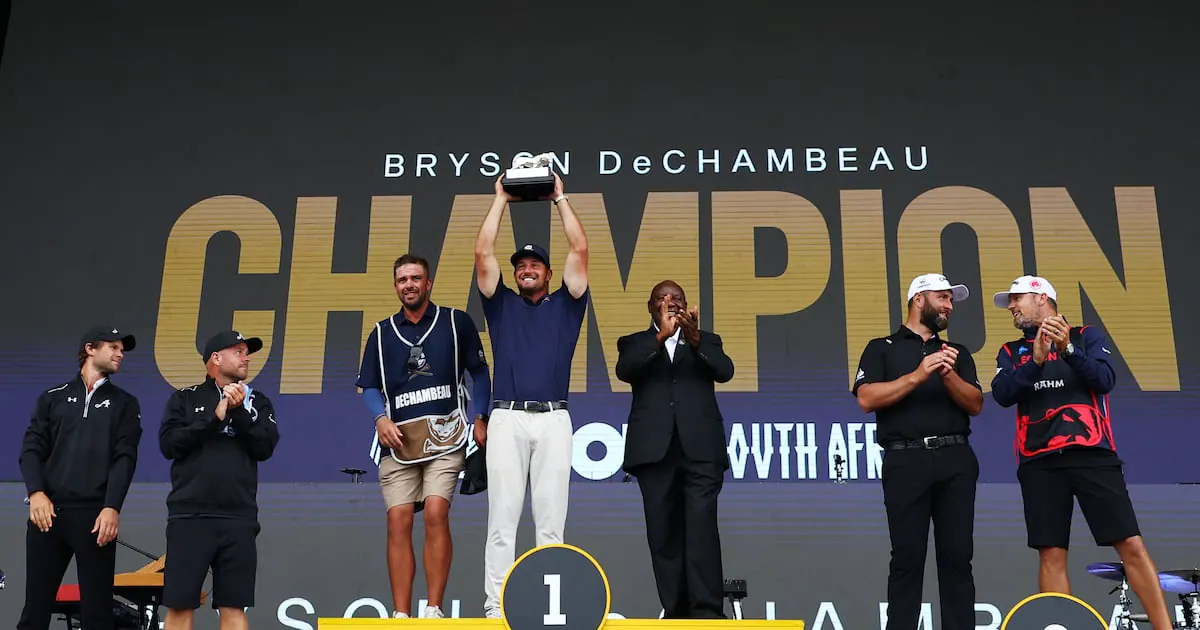
The launch of LIV Golf in 2022, backed by Saudi Arabia's Public Investment Fund, was a significant disruption to the traditional golfing landscape. The new league offered vast prize pools and guaranteed contracts, luring major champions away from the PGA Tour. While the league's sustainability has been questioned, its impact on the golfing world has been substantial. The response from the US golfing community was marked by moral outrage, but critics argue that this was selective and hypocritical.
The impact of Brics nations on sports is not limited to football and golf. Cricket, for example, has been transformed by the success of the Indian Premier League (IPL), which has redefined the economics of the game. The IPL's private-sector-led model, featuring multiple franchise owners, has generated massive broadcast deals, franchise valuations, and sponsorship revenues. This has led to a shift in the global cricketing landscape, with domestic leagues around the world structuring their international calendars around the IPL.
Motorsport is another area where the influence of Brics nations is evident. Formula One, now under American ownership, has expanded aggressively beyond its traditional European roots, with races in Bahrain, Abu Dhabi, and Saudi Arabia becoming regular fixtures. The calendar has also seen the addition of new tracks in the US market and Middle East, coinciding with the rising economic prestige of host countries.
The expansion of Brics nations into the sports world has significant implications for global attention and cultural legitimacy. Sport offers a unique platform for soft power, and Brics countries are leveraging this to acquire influence and visibility. The Western response to this shift has been revealing, with moral arguments being deployed inconsistently and often after the fact.
The shift in the global sports landscape reflects a multipolar economic reality, where influence follows capital and capital is no longer solely concentrated in the West. As Brics nations continue to invest in sports, it is likely that their influence will grow, challenging the traditional dominance of Western countries. The question is how the West will adapt to this new reality and what implications it will have for the future of sports.
Key points
- Brics nations are acquiring influence in the sports world through investments and sponsorships.
- The launch of LIV Golf and the success of the Indian Premier League have disrupted traditional sports landscapes.
- The shift in the global sports landscape reflects a multipolar economic reality, where influence follows capital.