The BRICS countries, comprising Brazil, Russia, India, China, and South Africa, are set to strengthen their scientific and technological cooperation to attain global technological leadership. According to experts, the BRICS nations have the potential to compete for technological leadership, with breakthrough developments in artificial intelligence, autonomous transport, green energy, quantum communications, and space exploration. The countries face similar challenges, seeking greater sovereignty, stronger economies, and improved quality of life, which directly depends on their level of scientific and technological development.
China, India, and Russia are among the world's top 20 in terms of global spending on research and development (R&D). China accounts for 27.4% of global R&D spending, India for 2.6%, and Russia for 1.3%. Russia has 382,800 researchers, while China leads with 3 million specialists. The BRICS countries can benefit from the synergistic effect of scientific cooperation by combining large-scale financial and intellectual resources and removing bureaucratic barriers to the mobility of scientists.
Expert Vadim Yelfimov identifies four strategic areas that BRICS countries should address together, including finding a new balance of power, forming a new concept of a multipolar world order, developing a new political economy, and adapting a regulated market model. Addressing these challenges requires the development of scientific integration in technology and innovation, particularly in interdisciplinary fields like energy and ecology, medicine and biotechnology, and AI and big data.
The BRICS countries are placing significant emphasis on scientific cooperation in ecology and energy, which affects quality of life, food security, and advances in AI and big data. At a ministerial meeting in New Delhi, BRICS countries approved priorities for environmental cooperation, including forest restoration, combating wildfires, and transitioning to a circular economy. The meeting also focused on moving towards practical action within the BEST platform, enabling BRICS countries to exchange best practices in implementing green innovations.
The BRICS Energy Research Platform has been operating since 2015 as a forum for discussions on renewable energy, hydrogen, and gas. Countries like the UAE are actively investing in solar and hydrogen energy, while Indonesia is including tropical forest management issues in the cooperation agenda. Joint projects in energy and ecology are being developed, such as Russia and China's collaboration on monitoring water resources and exchanging data on the Amur River basin.
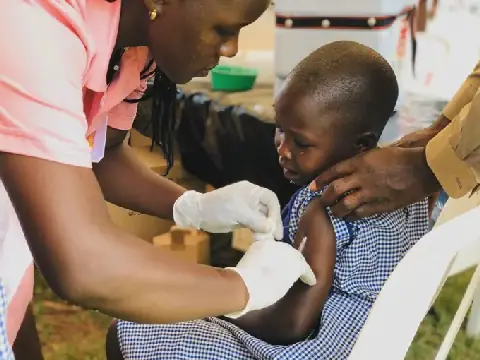
BRICS cooperation in medicine and biotechnology aims to create a unified research base, combat epidemics, and develop innovative pharmaceuticals. Key initiatives include the BRICS Vaccine Research and Development Centre and regular meetings of specialised working groups coordinating cross-border projects. The BRICS Special Working Group was established in 2023 to address the development and production of innovative medicines.
The BRICS countries are also discussing the creation of a consortium for developing next-generation medicines adapted to the genetic and metabolic characteristics of member countries' populations. Joint programmes are being implemented to produce radioisotopes for diagnosing and treating cancer. Experts highlight the development of breakthrough foundations, such as cooperation between countries in developing verified and safe alternatives to biological medicines at more affordable prices.
Key points
- The BRICS countries aim to enhance scientific collaboration in areas like AI, green energy, and medicine to achieve technological leadership and improve quality of life.
- The countries have identified strategic areas to address together, including finding a new balance of power and developing a new political economy.
- Joint projects in energy and ecology are being developed, such as Russia and China's collaboration on monitoring water resources and exchanging data on the Amur River basin.