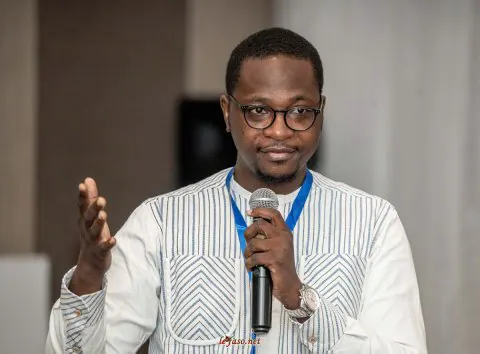
The Forum of Tourism Actors of the Alliance of Sahel States (AES) was held on September 23, 2026, in Ouagadougou, Burkina Faso, on the sidelines of the 16th edition of the Ouagadougou International Tourism and Hospitality Fair (SITHO). The meeting, themed "Integrated Investment and Economic Sovereignty: Building a Competitive Sahelian Tourist Destination," focused on challenges related to financing tourism enterprises. Brice Gaël Soubeiga, Director of Investment at Néré Capital Partners, emphasized the need for financial mechanisms tailored to the various stages of business development.
Soubeiga highlighted that a one-size-fits-all financial mechanism cannot meet the needs of all businesses. Instead, instruments should be adapted to each enterprise's development stage. He explained that young startups cannot be financed in the same way as established businesses with regular revenue and consolidated activities. Soubeiga stressed that financing solutions must be adjusted according to the company's life cycle.
Soubeiga recommended the use of "patient capital" to support young businesses in the AES region, which often face difficulties accessing traditional bank credit due to a lack of regular income and sufficient guarantees. Patient capital involves injecting funds into a business with repayment terms aligned with its development pace and revenue. This approach would enable entrepreneurs to access necessary resources without being constrained by immediate repayment obligations.
The investment director identified a significant challenge in the "missing middle," referring to the gap between small grants for nascent initiatives and traditional bank credit. Soubeiga suggested that instruments like seed funds, repayable grants, and venture capital could fill this gap. Repayable grants, for instance, could provide young businesses with financial resources without immediate interest burdens, while venture capital would allow investors to participate in companies' growth.
Beyond financing, Soubeiga emphasized the importance of enhancing the entrepreneurial skills of tourism actors. He noted that being a skilled tourism professional does not necessarily make one a successful entrepreneur. Entrepreneurs may require accompaniment in financial, management, or growth strategy areas. Soubeiga suggested that opening up to specialized investors could provide opportunities for certain businesses to access expertise and resources.
Soubeiga also proposed credit guarantees as an instrument to facilitate access to financing. This approach involves a public actor covering part of the financing cost, enabling businesses to benefit from more favorable credit terms. For example, a credit initially offered at 12% could be reduced to 10% for the beneficiary enterprise. This mechanism could also extend the credit duration, supporting businesses in their growth without limiting them to traditional grants.
Soubeiga stressed that financing tourism requires a better understanding of the sector's specificities by financial actors, including its seasonality and the sometimes intangible value of certain assets like brands. He called for financial institutions to be trained and informed about the functioning of tourism businesses, enabling them to evaluate projects more accurately and consider the sector's economic specificities. Ultimately, the goal is to create a more adapted financial ecosystem that supports the growth and professionalization of tourism enterprises in the AES.
Key points
- Soubeiga advocates for tailored financial instruments to support tourism businesses in the Alliance of Sahel States.
- The "missing middle" in financing is a significant challenge for young tourism businesses in the AES region.
- Patient capital and repayable grants could provide necessary resources for young businesses without immediate repayment obligations.