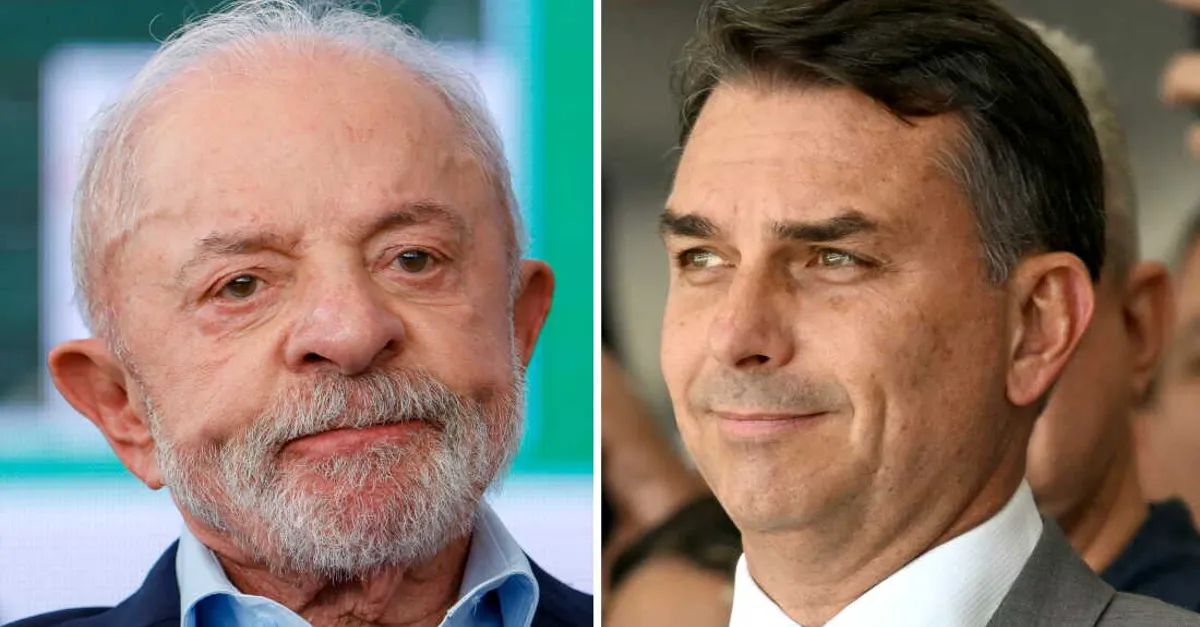
The Brazilian presidential election has taken an unexpected turn, with Flavio Bolsonaro, son of former President Jair Bolsonaro, securing 47.45% of the valid votes, while current President Luiz Inácio Lula da Silva garnered 44.66%. According to the Superior Electoral Court of Brazil, with nearly 97% of the votes counted, neither candidate achieved the required majority to win in the first round. A runoff election is scheduled for October 25.
The election results have surprised many, as most polls had predicted a lead for Lula da Silva. Reputable polling institutions such as Datafolha had forecast 45% for Lula and 42% for Flavio Bolsonaro, while others like Quaest had shown a near tie between the two candidates. The outcome has sparked interest in the voting patterns of the Brazilian electorate and the strategies employed by the candidates.
The election was not only about the presidency but also about the composition of the Brazilian parliament. Voters were also choosing their representatives in the National Congress. The focus is now on the voters of eliminated candidates, including writer and psychiatrist Augusto Corrêa, and former governors Ronaldo Caiado and Romeu Zema, who each received single-digit percentages.
Analysts point out that about 46% of voters have expressed outright rejection of both Lula and Bolsonaro, making the stance of undecided voters and the position of right-wing blocs in Congress crucial in determining the outcome of the presidential election. The winning candidate will take office on January 5, 2027, as per a constitutional amendment approved in 2021.
Security has emerged as a top priority for Brazilian voters, with many citing it as a major concern. However, experts argue that heavy-handed policies may not provide a long-term solution to the country's security issues without addressing the root causes of poverty and lack of opportunities. The Amazon region has become a refuge for armed groups seeking to expand their influence.
The US has been exerting pressure on Lula's government, including imposing tariffs and sanctions on a Supreme Court judge. The US has also designated two major Brazilian gangs as terrorist organizations. Analysts believe that these pressures may have inadvertently harmed Lula's chances but notes that he effectively used them in his campaign to highlight his opponent's ties to former US President Donald Trump.
A Flavio Bolsonaro victory could lead to Brazil's closer alignment with the US, including potential participation in the "Americas Shield" initiative and a tougher stance on organized crime. However, experts question whether Brazil can distance itself from China, citing Argentina's experience of trying to reduce its economic dependence on Beijing.
Key points
- The Brazilian presidential election will proceed to a runoff between Flavio Bolsonaro and Luiz Inácio Lula da Silva.
- Security and the economy have been key issues in the election campaign.
- The outcome of the election may have significant implications for Brazil's relations with the US and China.