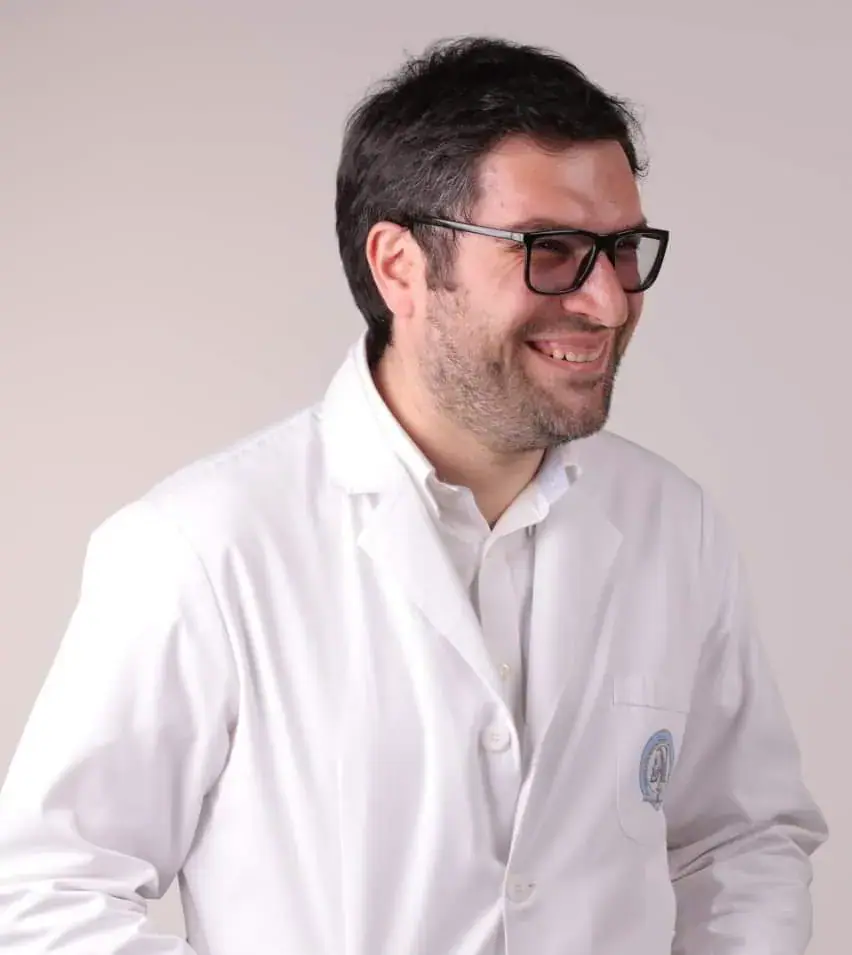
Botswana has nominated Dr Gevorg Tamamyan, an Armenian paediatric oncologist, to lead the World Health Organization (WHO). His campaign focuses on expanding access to healthcare, strengthening national health systems, and making global health institutions more accountable. Tamamyan, a professor and chair of the Department of Paediatric Oncology and Haematology at Yerevan State Medical University, aims to deliver practical improvements in people’s lives, particularly in communities with limited access to specialist treatment and essential medicines.
Tamamyan's proposed priorities include improving access to essential medicines, strengthening health services, reforming institutional recruitment, and expanding local and regional production of medical supplies. His campaign is built around the principle that "geography must not decide who lives." Drawing on his experience in cancer care, Tamamyan argues that medical advances must reach patients regardless of their location or the resources available to their healthcare systems.
The nomination gives Botswana a role in the contest for one of the most influential positions in international public health. It also brings Tamamyan's proposals for reform into a wider debate about the WHO's future direction. The agenda has particular relevance for young people, who face persistent barriers to mental healthcare, sexual and reproductive health services, and affordable treatment in many parts of the world.
According to the United Nations Population Fund, more than 1.9 billion people aged between 10 and 24 live worldwide, most of them in low- and middle-income countries. Improving access to healthcare for these populations will require sustained investment, stronger health systems, and policies that respond to their needs. Tamamyan's emphasis on workforce renewal and patient-centred outcomes brings these concerns into the wider discussion about the future of global health leadership.
Tamamyan's professional background is rooted in paediatric oncology, a speciality in which access to timely treatment can determine whether a child survives. He led Armenia's paediatric cancer and blood disorders centre from 2019 to 2024, overseeing efforts to consolidate services, introduce standardised treatment protocols, and strengthen specialist training. Childhood cancer survival rates at the centre reached approximately 80 per cent under his leadership.
A major pillar of Tamamyan's campaign is institutional reform, particularly in recruitment, accountability, and organisational efficiency. His proposed "No Empty Desks" policy calls for recruitment to be completed within 60 days, greater transparency around temporary positions, and quarterly reporting on staffing progress. He also wants the WHO to measure its performance more directly against improvements in healthcare delivery.
Tamamyan's clinical experience provides the foundation for a leadership agenda that connects the realities of patient care with broader questions of global health policy. His proposed reforms address broader public health priorities, including infectious diseases, noncommunicable diseases, emergency preparedness, and shortages of healthcare professionals. The next WHO Director-General will need to bring these competing demands together while maintaining scientific credibility and building cooperation among governments.
Key points
- Dr Gevorg Tamamyan's campaign focuses on expanding access to healthcare and strengthening national health systems.
- Tamamyan's proposed priorities include improving access to essential medicines and reforming institutional recruitment.
- The WHO leadership contest brings together candidates with experience in government, international institutions, public health programmes, and health administration.