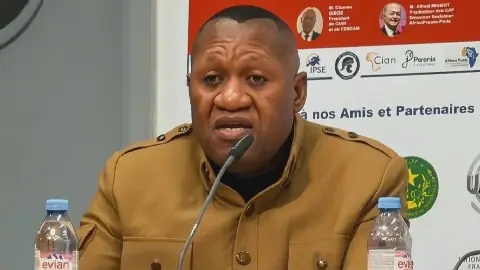
Botswana's poverty rate has declined from 33.0% in 2015/16 to 28.9% in 2024/25, a statistically significant decrease of 4.1 percentage points. However, despite this progress, approximately 683,634 people continue to live in poverty, a number that has remained almost unchanged over the past decade. Dr. Khaufelo Raymond Lekobane, the Statistician General, presented the findings at a stakeholder engagement in Gaborone on 19 November.
The poverty rate alone does not tell the entire story, according to Dr. Lekobane. The improvement in the poverty rate has not translated into a comparable reduction in the actual number of people affected, largely due to population growth. The new poverty line, updated using the Cost of Basic Needs approach, stands at P2,563 per month for a typical three-member household, or roughly P854 per person. This represents a significant increase from the previous line of P495 per person.
The revised poverty line has resulted in a new estimate for 2015/16, which is not directly comparable to the previously published figure of 16.3%. The correct comparison is 33.0% in 2015/16 against 28.9% in 2024/25. This change highlights the importance of accurate interpretation and communication of poverty statistics. The updated methodology provides a more accurate picture of poverty in Botswana.
Poverty reduction has been concentrated largely in rural areas and urban villages. Rural poverty fell by 7.3 percentage points, from 54.5% to 47.2%, while urban villages recorded a decline from 26.8% to 21.5%. In contrast, poverty in cities and towns barely changed, drifting from 10.4% to 9.7%. The rural poverty rate remains almost five times the urban rate of 9.7%.
District-level data reveals significant disparities, with Letlhakeng recording the highest poverty rate at 61.1%, followed by Okavango at 60.8% and Moshupa at 55.0%. On the other hand, Orapa, the diamond town, recorded 2.1%, while Tlokweng and Gaborone were also among the least poor. Half of the country's 32 districts sit above the national average of 28.9%, most of them rural or predominantly rural.
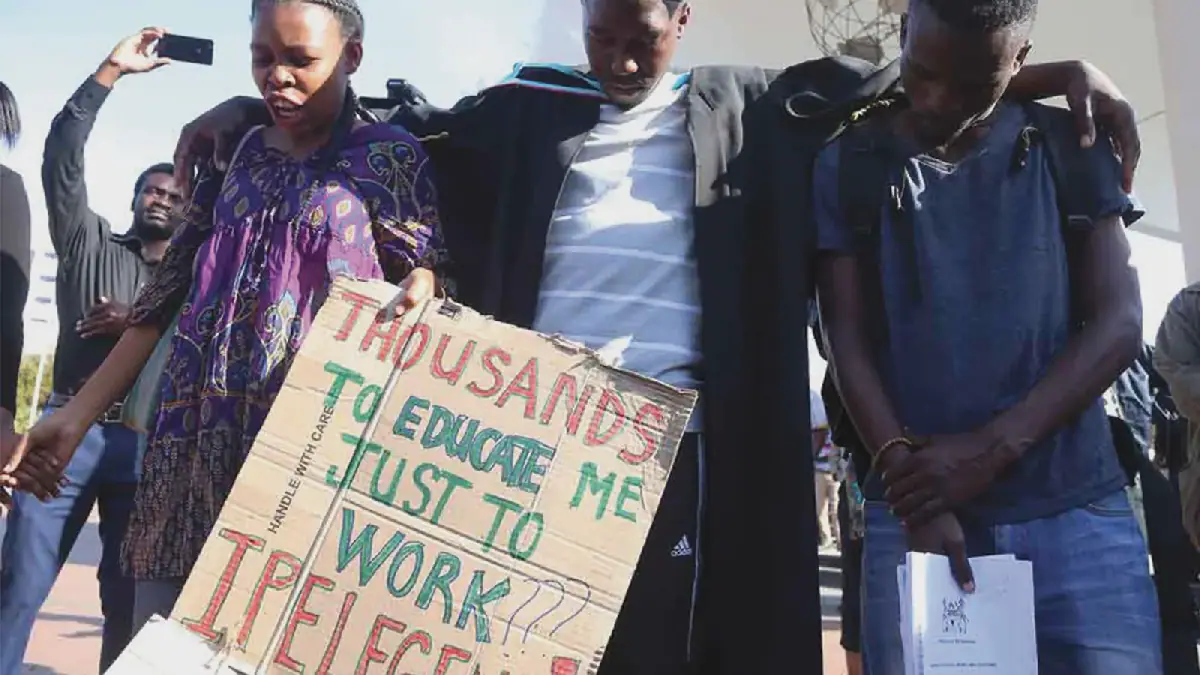
The paradox of the working poor is a concerning finding, with 15.7% of employed persons aged 15 and above living in households below the poverty line. This represents a decrease of less than one percentage point across the decade, against 4.1 points nationally. Employment remains the country's most reliable ladder out of deprivation, but it does not automatically guarantee that a household will have sufficient consumption to remain above the poverty line.
On inequality, the Gini coefficient fell from 0.540 to 0.493, indicating a reduction in income inequality. However, the country's poverty figures remain a pressing concern, with nearly one in every two rural residents continuing to live below the poverty line. The findings highlight the importance of examining household welfare alongside employment status and the need for a more nuanced approach to addressing poverty in Botswana.
Key points
- Poverty in Botswana declined to 28.9% in 2024/25, but approximately 684,000 people still live below the poverty line.
- Rural poverty fell by 7.3 percentage points, while urban poverty barely changed.
- Employment does not automatically guarantee that a household will have sufficient consumption to remain above the poverty line.
Reporting sources
- Botswana’s poverty rate fell · weekendpost.co.bw