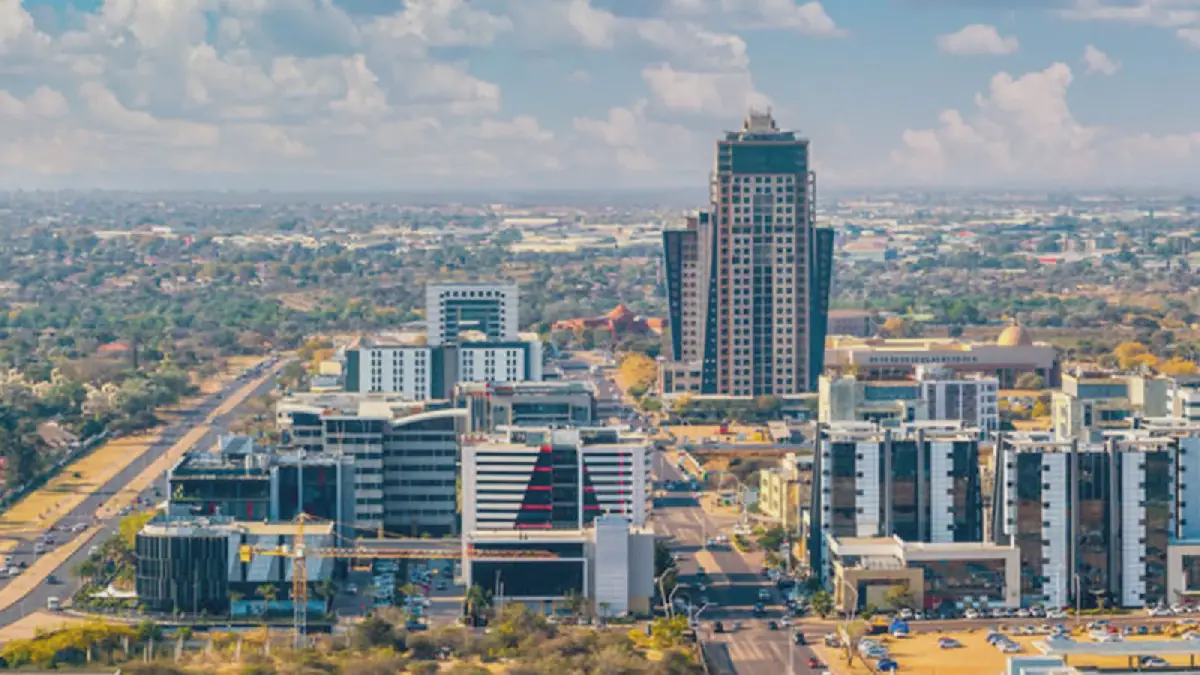
The government of Botswana has embarked on an ambitious plan to raise P514 billion to revamp its economy. This significant undertaking has sparked concerns about the financial burden it may place on the country's citizens and the potential implications for future generations. As the nation seeks to overhaul its economy, the question of who will pay for this transformation and at what cost has become a pressing concern.
Botswana's economic development plan is seen as a critical step towards achieving sustainable growth and development. However, the country's uneven reckoning with human trafficking and other socio-economic challenges may hinder the successful implementation of this plan. The government must address these issues to create a favorable environment for economic growth and ensure that the benefits of the planned transformation are equitably distributed.
The Bank of Botswana has maintained interest rates as inflation cools, but the country's debt situation remains a challenge. The central bank's decision to keep rates steady is seen as a move to support economic growth while managing inflationary pressures. However, the government's plans to raise P514 billion to fund its economic development may put pressure on the country's debt profile and require careful management.
A Motswana-owned mining company has recently listed on Australia's ASX, marking a significant milestone for Botswana's mining sector. This development is expected to boost the country's mining industry and contribute to its economic growth. However, the government must ensure that the benefits of this listing are shared equitably among citizens and that the sector's growth is sustainable and responsible.
The opposition UDC has been pushing for a change in government, with its leader, Gaolathe, offering an alternative to IMF wage-bill cuts. The UDC's proposals aim to address the country's economic challenges while protecting the interests of its citizens. However, the government must carefully consider these proposals and engage in meaningful dialogue with opposition parties to ensure that the best interests of the country are served.
The issue of who will pay for Botswana's economic transformation has sparked a national debate. The government has been urged to consider the long-term implications of its plans and ensure that the costs are distributed fairly among citizens. This debate is expected to continue as the government seeks to implement its economic development plan and address the country's socio-economic challenges.
As Botswana moves forward with its P514 billion economic overhaul, the government must balance the need for growth and development with the imperative of protecting the interests of its citizens. The country's leaders must engage in transparent and inclusive decision-making processes to ensure that the benefits of the planned transformation are shared equitably and that the costs are manageable.
Key points
- The Botswana government aims to raise P514 billion to transform its economy.
- The country's debt situation and inflationary pressures pose challenges to the successful implementation of the plan.
- The government must ensure that the benefits of the planned transformation are shared equitably among citizens and that the costs are manageable.