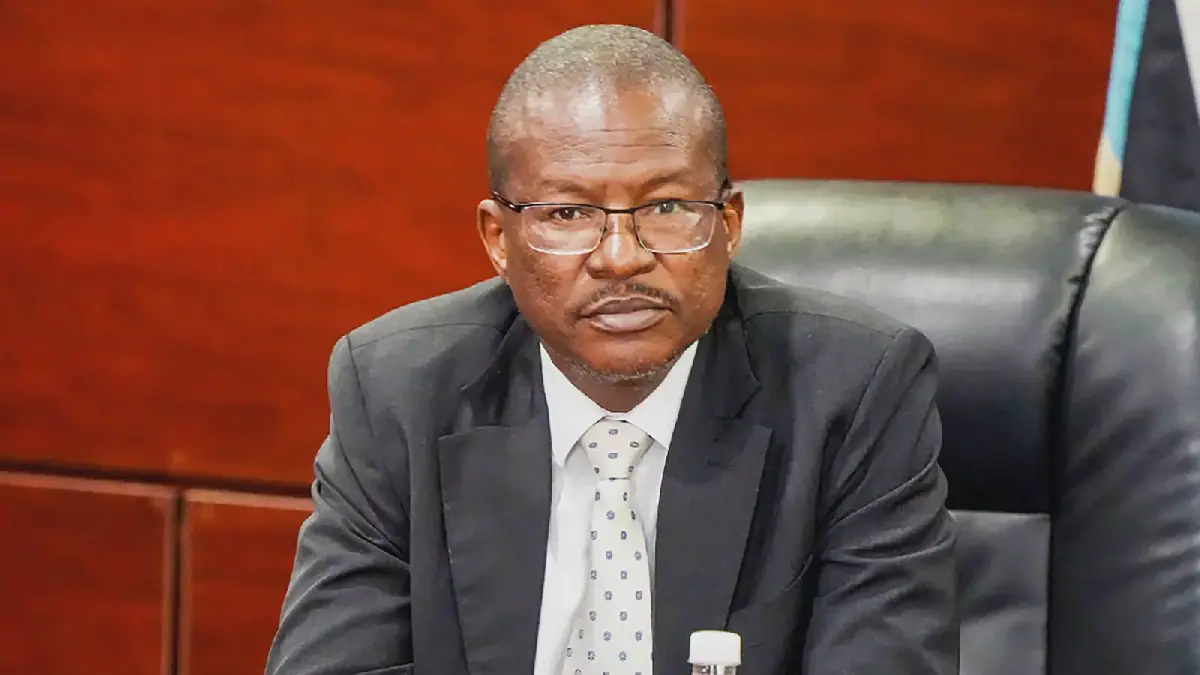
A quiet contest to lead Botswana's intelligence apparatus has gained momentum with Deputy Commissioner of Police Busang Lesola emerging as a contender for the Director General position at the Directorate of Intelligence and Security (DIS). His candidacy marks a potential break from the military-dominated tradition that has characterized the agency since its inception in 2008. Lesola, who heads Crime Intelligence at the Botswana Police Service, is considered a strong candidate due to his experience and steady character in intelligence gathering.
Lesola's bid is seen as a quiet palace coup, with a police intelligence specialist vying for a position traditionally held by military personnel. His name has been favourably received in some quarters, but he faces opposition from other candidates, including former DIS officials and military officers. The selection process has laid bare fissures within the governing Umbrella for Democratic Change, with some factions favouring a police service candidate and others supporting the continuation of the military tradition.
The succession crisis has sparked calls for institutional reform, with concerns raised about the DIS's independence, professionalism, and accountability. Sources close to the ruling party have emphasized the need for a careful approach to change, warning that poorly handled reforms could compromise national security. They argue that any change must balance the imperative of reform with the need to preserve state security.
The DIS has faced criticism for its perceived proximity to political power, with some arguing that the agency has been used as a tool for the ruling elites. To address these concerns, sources suggest that the next Director General should be chosen based on competence, integrity, and experience, rather than political connections or family ties. They emphasize the importance of restoring professionalism and ensuring that the agency delivers independent assessments, even if they are uncomfortable for political leaders.
The choice of the next Director General will have significant implications for the future of Botswana's intelligence services. It will determine whether the DIS embarks on meaningful reform or continues to face questions about its independence, professionalism, and accountability. The process has sparked a wider conversation about the agency's mandate, leadership, and institutional culture, with some arguing that it is an opportunity to rethink the agency's role and ensure that it serves the nation rather than just the ruling party.
Security sector reform is a delicate undertaking, particularly in the intelligence services, where the imperative of change must be balanced against the need to preserve national security. Sources warn that poorly handled change could estrange officers and create an opening for adversarial foreign intelligence services. They emphasize the need for a careful approach to reform, one that prioritizes professionalism and competence over political considerations.
Ultimately, the selection of the next Director General will require a consensus on what constitutes reform and how to align it with public expectations. The process has highlighted the need for a more transparent and accountable approach to leadership selection, one that prioritizes the nation's security and interests over partisan or personal considerations. The outcome will be closely watched, both domestically and internationally, as it will shape the trajectory of Botswana's intelligence services for years to come.
Key points
- Deputy Commissioner Busang Lesola is a contender for the Director General position at the Directorate of Intelligence and Security.
Reporting sources
- A Police Spymaster vies to Lead DIS · weekendpost.co.bw