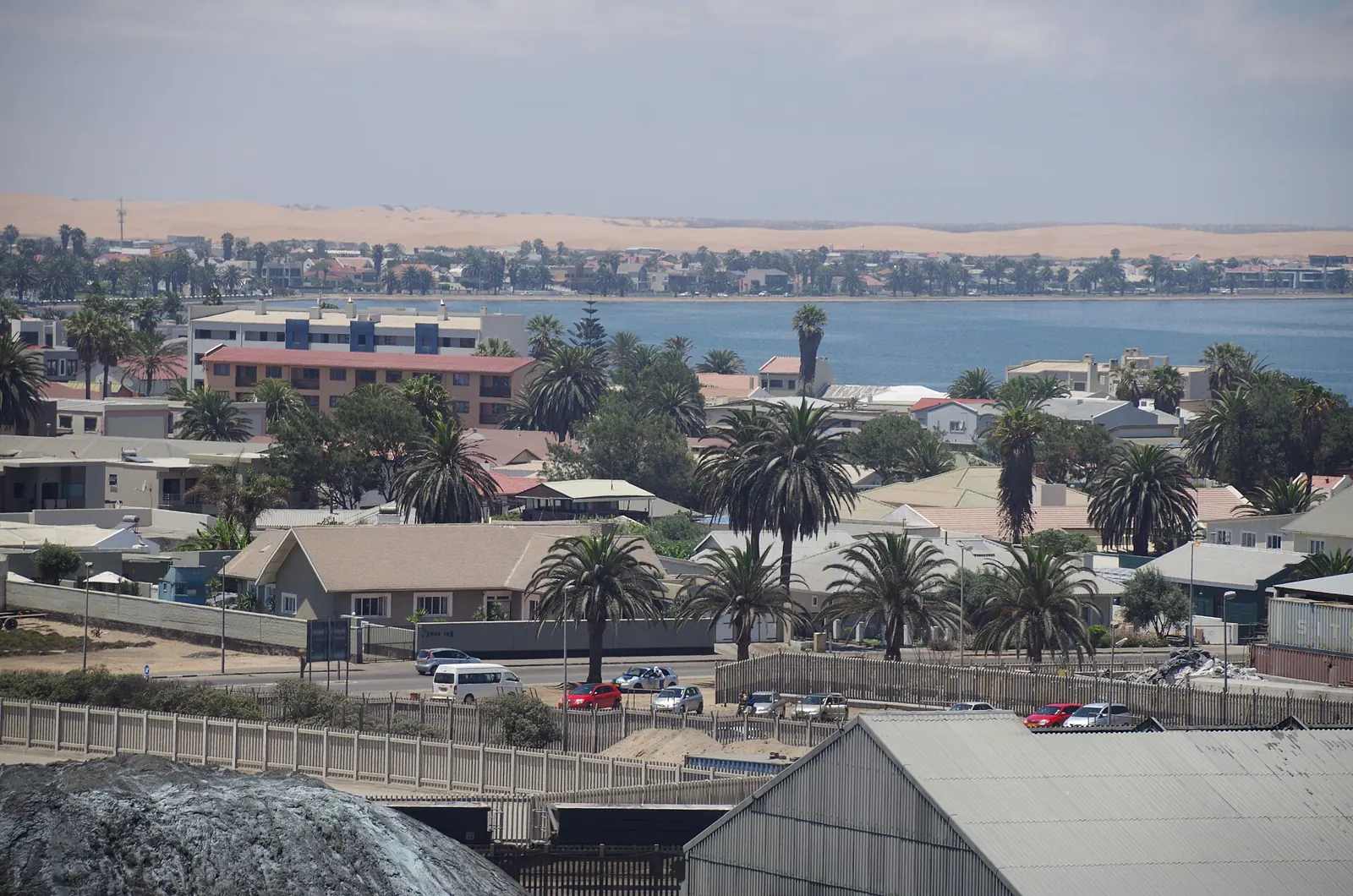
Walvis Bay, Namibia - In a move to bolster its trade and logistics capabilities, Botswana is increasingly turning to the Port of Walvis Bay as a strategic Atlantic gateway. The country's transport minister, Keoagile Atamelang, recently visited the Botswana Dry Port at Walvis Bay to assess operations and explore ways to extensively utilize the facility for import and export trade. This development comes as Botswana advances its corridor ambitions, with a focus on enhancing its connectivity to international markets through Namibia.
The visit included inspections of Sea Rail Botswana's warehouse, bonded facilities, and other logistics infrastructure. Atamelang viewed cargo, including copper concentrate, and was briefed on customs clearance and cargo-handling operations. He described the Atlantic route through Walvis Bay as an important and resilient "blue route" for Botswana. This emphasis on the route underscores Botswana's reliance on Walvis Bay for its international trade, particularly as the landlocked country seeks to unlock the full logistical potential of its dry port.
Sea Rail Botswana has operated at Walvis Bay for 12 years under a 50-year lease agreement with the Namibia Ports Authority (Namport). During this time, the facility has handled international cargo for Botswana, including a bulk sugar shipment from Brazil. The successful handling of this consignment demonstrated the viability of the Walvis Bay-Botswana route for accommodating cargo from overseas markets to its final destination. This experience has likely contributed to Botswana's push to deepen its use of the port.
A significant development in this partnership is the proposed Trans-Kalahari Railway, which would link Mmamabula in Botswana with the Port of Walvis Bay. Technical experts from Namibia and Botswana are set to meet in Walvis Bay for the second phase of joint technical sessions on the project. The meetings will focus on harmonizing technical standards, agreeing on the corridor alignment, and developing an implementation roadmap. If realized, the railway could substantially reshape the corridor and increase the role of rail in moving bulk commodities.
The proposed 1,500km railway is expected to provide a dedicated rail connection between Botswana's mineral-producing regions and the Namibian port. This could reduce reliance on road freight along the western corridor, enhancing efficiency and potentially boosting trade between the two countries. The railway project is part of a broader push by the two governments to improve transport links and make the Trans-Kalahari Corridor more efficient.
In related developments, Namibian Transport Minister Veikko Nekundi is scheduled to meet with Atamelang in Walvis Bay to discuss transport and infrastructure issues affecting the corridor. Nekundi has emphasized the need for greater emphasis on implementation, rather than continued discussions around regional infrastructure projects. This meeting is expected to further solidify cooperation between the two countries on transport and logistics.
The growing importance of Walvis Bay as a strategic gateway is also highlighted by the recent hosting of the first Maritime Week, jointly organized by the Municipality of Walvis Bay and Namport. This event underscores the port's increasing significance in the region's maritime trade. Key points include:
Key points
- Botswana is deepening its use of the Port of Walvis Bay as an Atlantic gateway to advance its corridor ambitions.
- A proposed 1,500km Trans-Kalahari Railway could link Mmamabula in Botswana with the Port of Walvis Bay, enhancing trade and efficiency.
- The two countries are set to hold technical discussions on the railway project, focusing on harmonizing standards, corridor alignment, and implementation.