A recent book titled "The Social and Cultural Situation of Libyan Women: 1911-1943" by Randa Mohamed delves into the lives of Libyan women during the Italian occupation. The book sheds light on the various roles women played in society, their position in the legal and educational systems, and the social customs and cultural images of Libyan women during that period. The author presents a comprehensive analysis of the social and cultural context of Libyan women during this time.
The book examines the customs and traditions of marriage in Libyan society during the occupation. According to the study, marriage between relatives was a common practice, driven by social and economic considerations. The practice was influenced by the need to maintain family cohesion, preserve property, and strengthen ties between different branches of a tribe. The limited social options, especially in rural areas, also contributed to this type of marriage.
The study highlights the significance of popular culture in shaping the phenomenon of cousin marriage in Libyan society. Proverbs, stories, and collective perceptions played a crucial role in perpetuating this practice. For example, proverbs like "The one who takes from his uncle's wealth is like one who sacrifices from his own flock" and "Your cousin's daughter carries your burden" reflect the societal attitudes towards cousin marriage.
The book also explores the records of Sharia courts, which provide valuable insights into the social and economic structures of Libyan society during the occupation. The documents reveal that a woman's social status was linked not only to her family background but also to her place of residence and her husband's profession and social standing.
The study notes that the Italian authorities introduced some legal reforms aimed at modernizing the social and legal systems in Libya. One of these reforms was the intervention in marriage cases, particularly child marriage, in an effort to reduce its prevalence. In September 1935, a decision was made to prohibit the marriage of girls under the age of 15.
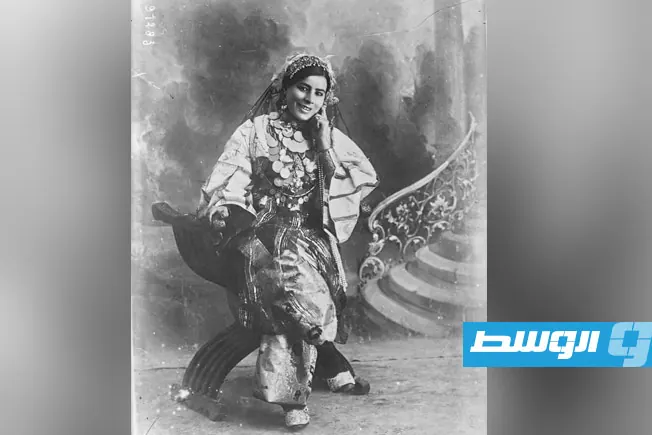
The book also discusses the traditional clothing and jewelry of Libyan women, which were an integral part of their cultural heritage. The clothing was often handmade and made from local materials such as wool, silk, and cotton. The jewelry, which was used for adornment, also carried symbolic meanings that reflected a person's social status.
During the Italian occupation, Libyan women played a significant role in the national struggle. With the outbreak of the war in 1911, women took on new roles, including providing logistical support to fighters, supplying goods, and conveying news. They also became symbols of resistance and steadfastness, embodying the values of patience and determination.
Key points
- The book "The Social and Cultural Situation of Libyan Women: 1911-1943" by Randa Mohamed provides a comprehensive analysis of the lives of Libyan women during the Italian occupation.
- The study highlights the significant roles women played in Libyan society during this period, including their involvement in the national struggle.
- The book sheds light on the social customs, cultural images, and traditional practices of Libyan women during the occupation.