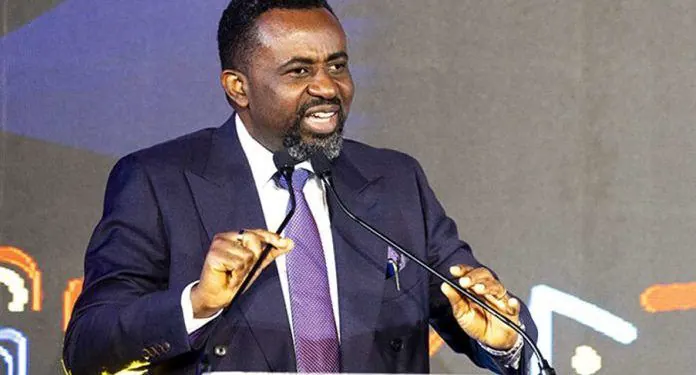
The Governor of the Bank of Ghana (BoG), Dr Johnson Pandit Asiama, has expressed concerns about the dominance of foreign-owned banks in Ghana's banking sector. He stated that the current regime, where over 60% of total bank assets accrue to foreign-owned banks, may not be optimal from a strategic point of view. Dr Asiama made these comments during the 132nd Monetary Policy Committee (MPC) press conference in Accra on September 24.
Dr Asiama attributed the collapse of local banks during the recapitalisation exercise undertaken during the Akufo-Addo administration to issues relating to risk management frameworks. He emphasised that the current leadership at the central bank has been stressing the importance of risk management frameworks for banks. The Banking Supervision Division of the BoG has issued directives to local banks in this regard.
The BoG Governor highlighted that the collapse of local banks was largely due to their inability to manage risk effectively. He noted that the Banking Supervision Department has issued guidelines to address this issue. Dr Asiama emphasised the need to ensure that local banks can thrive and compete with foreign-owned banks.
In 2018, some local banks collapsed when the central bank revised the minimum paid-up capital for existing banks and new entrants from GHS120 million to GHS400 million. According to the regulator, this was to test the viability of the banks. The banks that were unable to meet this new requirement were either merged or collapsed.
A total of nine local banks, 23 savings and loans companies, 347 microfinance institutions, 39 finance houses, and 53 fund management companies closed down during the exercise. The collapsed banks included UniBank, The Sovereign Bank, The Beige Bank, Premium Bank, The Royal Bank, Heritage Bank, Construction Bank, UT Bank, and Capital Bank.
Some analysts and observers criticised the Bank of Ghana and the Finance Ministry over the collapse of the banks, arguing that these banks could have been saved to continue employing Ghanaians. However, Dr Asiama emphasised that the BoG is committed to ensuring the stability of the banking sector and promoting the growth of local banks.
Going forward, Dr Asiama stated that the BoG and the banking sector will want to see local banks increase their participation in the sector. The central bank aims to create an environment that allows local banks to thrive and compete effectively with foreign-owned banks.
Key points
- The BoG Governor expressed concerns about foreign-owned banks controlling over 60% of Ghana's banking assets.
- The collapse of local banks in 2018 was largely due to issues relating to risk management frameworks.
- The BoG aims to promote the growth of local banks and increase their participation in the sector.