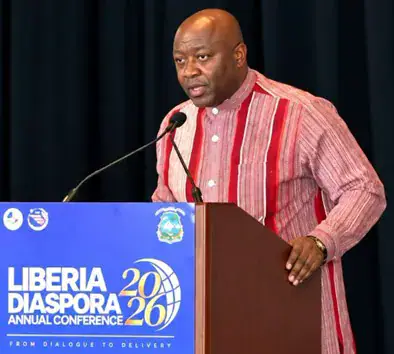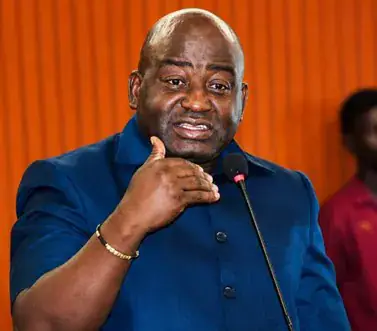
Bank of Ghana Governor Dr Johnson Asiama has confirmed that he stepped down from the Ghana Gold Board's Board of Directors about five months ago. He made this announcement following concerns raised by the New Patriotic Party (NPP) about a potential conflict of interest due to his dual roles at the central bank and GoldBod. Dr Asiama's resignation comes after former Finance Minister and NPP Member of Parliament for Karaga, Dr Mohammed Amin Adam, brought the issue to public attention on September 1, 2026.
The NPP's concerns centered on the financial relationship between the Bank of Ghana and GoldBod, particularly the central bank's role in funding GoldBod's gold-purchasing operations and reported losses tied to the domestic gold purchase programme. Dr Asiama clarified that the Ghana Gold Board Act does not require the BoG Governor personally to sit on the GoldBod Board. Instead, the Act permits the central bank to be represented by either the Governor or any suitably ranked official.
According to Dr Asiama, the law governing the activities of the GoldBod provides for the Bank of Ghana to be represented either by the Governor or any other official up to the rank of a director. He emphasized that his physical presence on the board is not a statutory obligation. Dr Asiama's clarification draws a distinction between the institution's legal obligation to be represented on the GoldBod Board and the personal role of the Governor.
Dr Asiama's departure from the board predates the public scrutiny, and he has not attended any GoldBod board meetings since his resignation. The Governor's statement aims to address the controversy surrounding the Bank of Ghana's relationship with GoldBod, particularly regarding the financing of gold purchases under the domestic gold purchase programme. Critics have questioned the governance and financial implications of the central bank's involvement, including any losses the programme may have incurred.
The broader controversy surrounding the Bank of Ghana's ties to GoldBod relates to the reported US$1.7 billion loss recorded by the Bank of Ghana (BoG) in 2025 under the domestic gold purchase programme. The issue has sparked a public exchange between politicians, including Minority Leader and Effutu MP Alexander Afenyo-Markin, who filed defamation suits against Ghana Gold Board (GoldBod) Chief Executive Officer Sammy Gyamfi and two media organisations.
The dispute between Afenyo-Markin and Gyamfi took a sharp turn when Mr Gyamfi labelled Afenyo-Markin an "extortionist" in response to the Minority Leader's sustained pressure for accountability over GoldBod's operations and the reported BoG losses. The controversy highlights the need for transparency and accountability in the management of Ghana's gold resources and the operations of the GoldBod.
Dr Asiama's resignation and clarification on his role in the GoldBod Board aim to address concerns about potential conflicts of interest and promote transparency in the management of Ghana's gold resources. The Governor's statement also underscores the Bank of Ghana's commitment to operating within the bounds of the law and ensuring that its activities are transparent and accountable.
Key points
- Dr Johnson Asiama resigned from the GoldBod Board about five months ago, amid concerns about a potential conflict of interest due to his dual roles at the Bank of Ghana and GoldBod.
- The Ghana Gold Board Act does not require the BoG Governor personally to sit on the GoldBod Board, but permits the central bank to be represented by either the Governor or any suitably ranked official.
- The controversy surrounding the Bank of Ghana's ties to GoldBod relates to the financing of gold purchases under the domestic gold purchase programme and reported losses incurred by the programme.