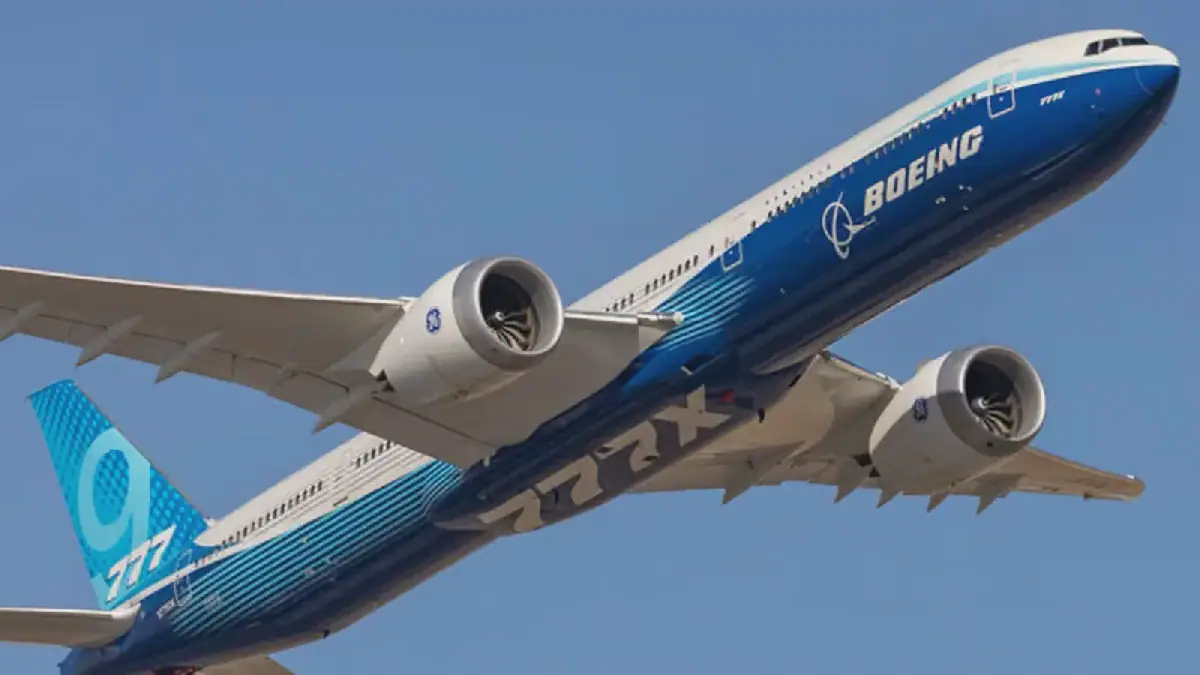
Boeing, the US aircraft manufacturer, has signed a cooperation agreement with Libya in Washington to help establish a new national airline. The deal, announced on November 21, was signed by Mustafa al-Mansoury, head of the executive team for initiatives of the Prime Minister and strategic projects in the Government of National Unity. The agreement covers planning and developing the proposed carrier's fleet, designing a network of domestic and international routes, and training aviation personnel.
The agreement also includes the establishment of a specialized center for aircraft maintenance, repair, and overhaul, meeting international standards. The signing ceremony was attended by high-ranking Libyan officials, including representatives of the National Oil Corporation and the Libyan Investment Authority, as well as American officials and Boeing executives. The US President's senior advisor for Arab and African affairs, Masood Pours, described the agreement as an important step towards enhancing Libya's aviation sector.
The move to establish a new airline comes as Libya's existing carriers, Libyan Airlines and Afriqiyah Airways, have faced operational difficulties over the years due to maintenance challenges, aging fleets, and instability related to the country's political situation. Despite this, Libya's government has not yet disclosed the name of the new airline, its fleet size, aircraft types, investment value, or launch date.
The agreement builds on months of discussions, starting with a strategic cooperation agreement signed by the Minister of Transport with Boeing in May 2026, followed by negotiation rounds in October and November. These talks covered fleet requirements, financing, and the maintenance center, which could potentially serve operators outside Libya in the future.
This development coincides with the signing of a separate US-Libya cooperation framework in the field of critical minerals, aiming to expand economic partnership beyond the oil and gas sector. Libya has the largest proven crude oil reserves in Africa, and the new agreement could potentially pave the way for broader economic cooperation between the two countries.
However, the establishment of a new airline does not automatically overcome the existing European aviation safety ban on Libyan-registered carriers, due to concerns about regulatory oversight. The Libyan government will need to address these concerns to ensure the new airline can operate smoothly.
The agreement reflects Boeing's efforts to expand its presence in the African market, while Libya aims to revamp its aviation sector and provide better services to its citizens. The success of the new airline will depend on various factors, including the government's ability to address the challenges faced by the existing carriers and ensure the new carrier operates efficiently and safely.
Key points
- The new airline will be developed with Boeing's assistance, including fleet planning, route design, and personnel training.
- The agreement also covers the establishment of a maintenance center that could serve operators outside Libya.
- The deal aims to enhance Libya's aviation sector, which has faced significant challenges in recent years.
Reporting sources
- بوينغ توقع اتفاقية لمساعدة ليبيا في تأسيس شركة طيران وطنية جديدة · Libya Al Ahrar TV