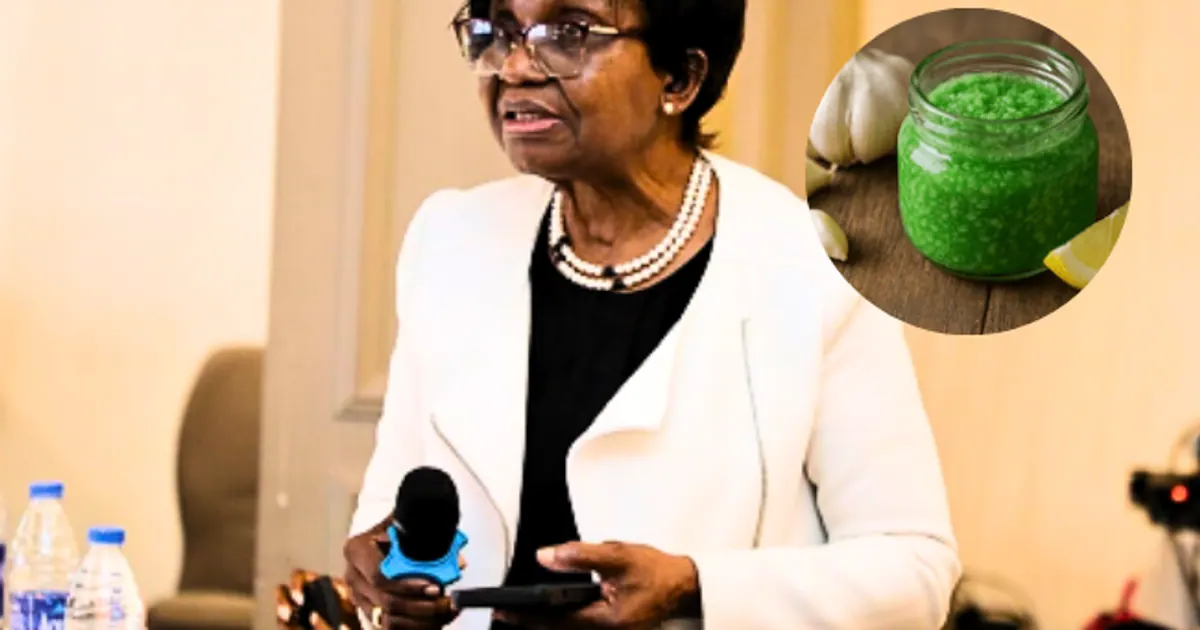
Nigerian actress Ruth Kadiri recently raised concerns about the proliferation of fake food products in the country, citing a personal experience with garlic that turned green after blending. In a video posted on her Instagram page, Kadiri expressed her worries about the safety of consumables in Nigeria, stating that many products are poorly produced, contaminated, and harmful. She emphasized that this is not just a business problem but a threat to human life, particularly for children who may be battling kidney failure due to fake products.
Kadiri shared her experience of buying garlic, blending it, and finding that it had turned green. This led her to question the authenticity of the product. However, experts say that a change in color doesn't necessarily mean the garlic is spoilt or fake. According to Penn State Extension, a network tied to the Pennsylvania State University College of Agricultural Sciences, the change in color is a natural chemical reaction that occurs when garlic is cut, crushed, or blended.
When garlic is whole, its natural chemicals are kept separate inside its cells. One of these chemicals is alliin, while an enzyme called alliinase is kept apart from it. When garlic is blended, its cells break open, and these chemicals mix, triggering a reaction that produces allicin, the compound responsible for garlic's strong smell and taste. Garlic also contains natural sulfur compounds and pigments that can cause it to turn blue, blue-green, or green under certain conditions.
The change in color of garlic does not render it unsafe for consumption. According to Georgia Cooperative Extension, the blue or green color is caused by an enzymatic reaction and is perfectly harmless. The organization notes that this reaction may be due to iron, tin, or aluminum in cooking pots, water, or pipes reacting with the pigments in the garlic. Alternatively, the garlic may naturally have more blueish pigment that becomes evident after pickling.
Experts recommend blanching garlic in boiling water for about 10 seconds to inactivate the enzymes that cause the color change, if desired. However, this is not necessary, as the garlic remains safe to eat. The issue of fake products in Nigeria has sparked concerns among citizens, with many turning to personal agencies to monitor consumables. A slight change in food texture or a sudden change in thickness of a liquid beverage can raise suspicions.
The National Agency for Food and Drug Administration and Control (NAFDAC) has been criticized for its complacency in controlling the level of fake products in circulation. Kadiri's concerns about fake food products have sparked a conversation about the need for stricter regulations and monitoring of consumables in Nigeria. The issue has also raised questions about the impact of fake products on public health, particularly for vulnerable populations such as children.
The surge in complaints about fake foods and drugs in circulation has led to increased scrutiny of products and a growing awareness of the need for quality control. As consumers become more vigilant, experts emphasize the importance of verifying information and seeking credible sources to avoid spreading misinformation. In the case of green garlic, it is clear that this is a natural phenomenon and not an indication of a fake product.
Key points
- Garlic turning green is a natural chemical reaction and does not indicate a fake product.
- Fake products are a significant concern in Nigeria, with many products being poorly produced, contaminated, and harmful.
- Experts recommend verifying information and seeking credible sources to avoid spreading misinformation about food products.