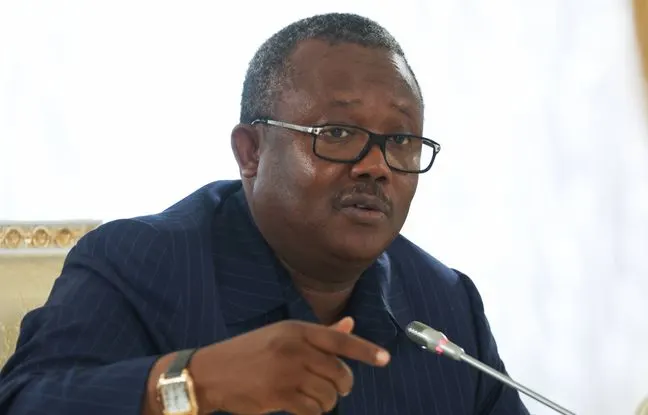
The Bissau-Guinean military high command, responsible for restoring national security and public order, has prohibited the return of former President Umaro Sissoco Embaló to the country. This decision was made on October 2, 2026, and was announced through a communiqué. The military authorities claim that the current security situation does not guarantee a safe return for Embaló.
According to the communiqué, the high command examined the national situation and security conditions before making the decision. The military authorities emphasize that the ban is based solely on reasons of national security, preservation of public order, and prevention of situations that could compromise stability. The communiqué was signed by the high command and bears the reference number 07/ACM/2026.
The Bissau-Guinean military also warned that any political manifestations or gatherings remain prohibited as part of the ongoing political transition. They threatened to sanction any violations of this ban in accordance with the law. The population and the international community were called upon to remain calm and cooperate with the authorities to preserve peace and public order.
This decision comes amid a period of political transition in Guinea-Bissau, with the military maintaining restrictions on political activities and public gatherings. The country has been experiencing a delicate situation, and the military authorities seem determined to maintain control and stability.
Umaro Sissoco Embaló served as the President of Guinea-Bissau from 2020 to 2022. His presidency was marked by controversy and challenges, including a failed coup attempt in 2021. The reasons behind his planned return and the military's opposition to it are not entirely clear, but it is evident that the situation is sensitive.
The international community has been following the developments in Guinea-Bissau with concern. The country has a history of political instability, and the current situation has raised fears of further turmoil. The Economic Community of West African States (ECOWAS) and other regional actors have been working to support the country's transition to stability and democracy.
The ban on Embaló's return has sparked reactions from various quarters, with some individuals expressing support for the military's decision. Critics argue that the move is undemocratic and that Embaló has a right to return to his country. However, the military authorities maintain that their primary concern is the security and stability of the nation.
Key points
- The Bissau-Guinean military has prohibited the return of former President Umaro Sissoco Embaló due to security concerns.
- The decision was made amid a period of political transition in Guinea-Bissau, with the military maintaining restrictions on political activities and public gatherings.
- The international community has been following the developments in Guinea-Bissau with concern, given the country's history of political instability.