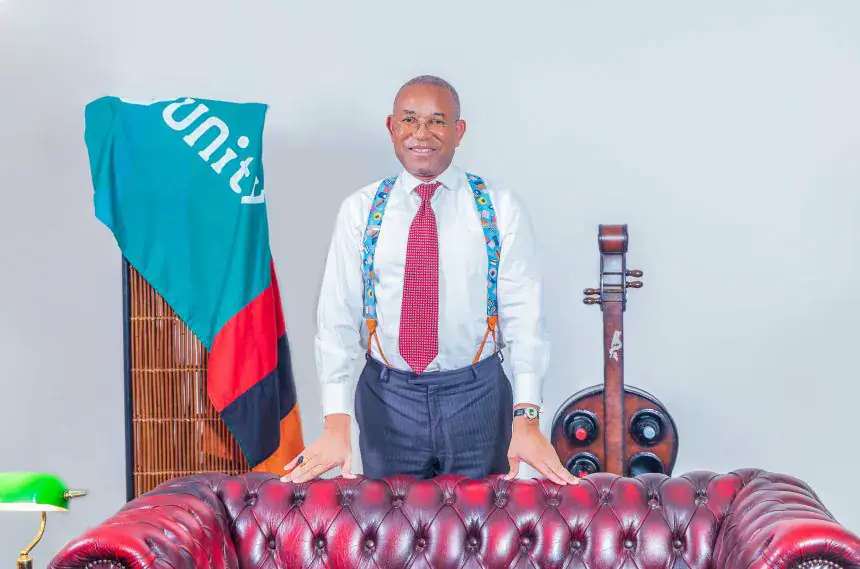
Bishop Trevor Mwamba, a prominent figure in Zambia's religious and political landscape, has been at the centre of a national debate over justice, democracy, and the rule of law. As the leader of Zambia's historic United National Independence Party (UNIP), Mwamba has consistently championed dialogue, tolerance, and peaceful political engagement. His arrest and detention following the country's disputed August 2026 elections have drawn international concern.
Mwamba's public life has been built around faith, compassion, dialogue, and the conviction that politics should serve people rather than divide them. As the former Anglican Bishop of Botswana, he has been known for his affable personality, measured public interventions, and preference for reconciliation. His career spanning religion, diplomacy, and politics has earned him respect among supporters and associates.
Mwamba leads a party whose place in Zambia's history is inseparable from the country's struggle for independence. Under Kenneth Kaunda, UNIP spearheaded the movement that ended British colonial rule on October 24, 1964, with Kaunda becoming Zambia's first president. Mwamba has sought to revive Kaunda's legacy of African humanism, emphasis on national unity, and commitment to peaceful coexistence since assuming UNIP's leadership in April 2021.
Mwamba's admiration for Kaunda was evident in a tribute marking Kaunda's centenary in 2024, when he reflected on the importance of reconciliation, national solidarity, and leadership that places the common good above personal ambition. His public philosophy reflects the African concept of ubuntu, which places human dignity, solidarity, and mutual responsibility at the heart of society.
Mwamba's political journey took a dramatic turn following Zambia's disputed August 2026 general elections, which returned President Hakainde Hichilema to office. Amid escalating tensions between the government and opposition groups, security forces conducted an operation at the Lusaka residence of opposition presidential candidate Brian Mundubile on August 14.
The government alleged that those arrested, including Mwamba, were connected to plans for armed insurrection involving militia activity and possible foreign assistance. Opposition figures rejected the accusations, while human rights organisations raised concerns about the arrests, access to detainees, and the need for transparent investigations.
Mwamba's detention has sparked controversy, with his family initially expressing anxiety over difficulties establishing his whereabouts. He was subsequently held at Mukobeko Maximum Security Prison in Kabwe alongside other accused opposition figures. The detainees have challenged their continued incarceration and sought constitutional bail, arguing that prolonged detention without trial violates their fundamental rights.
Key points
- Mwamba's arrest and detention have drawn international concern, placing one of Zambia's prominent religious and political figures at the centre of a national debate over justice, democracy, and the rule of law.
- Mwamba has consistently championed dialogue, tolerance, and peaceful political engagement throughout his career in religion and politics.
- The accusations against Mwamba and other opposition figures remain subject to judicial determination, with the government maintaining that the allegations involve serious national-security concerns.
Reporting sources
- Bishop Trevor Mwamba: Zambia’s Moral Voice Caught In A Political Storm · Pan African Visions