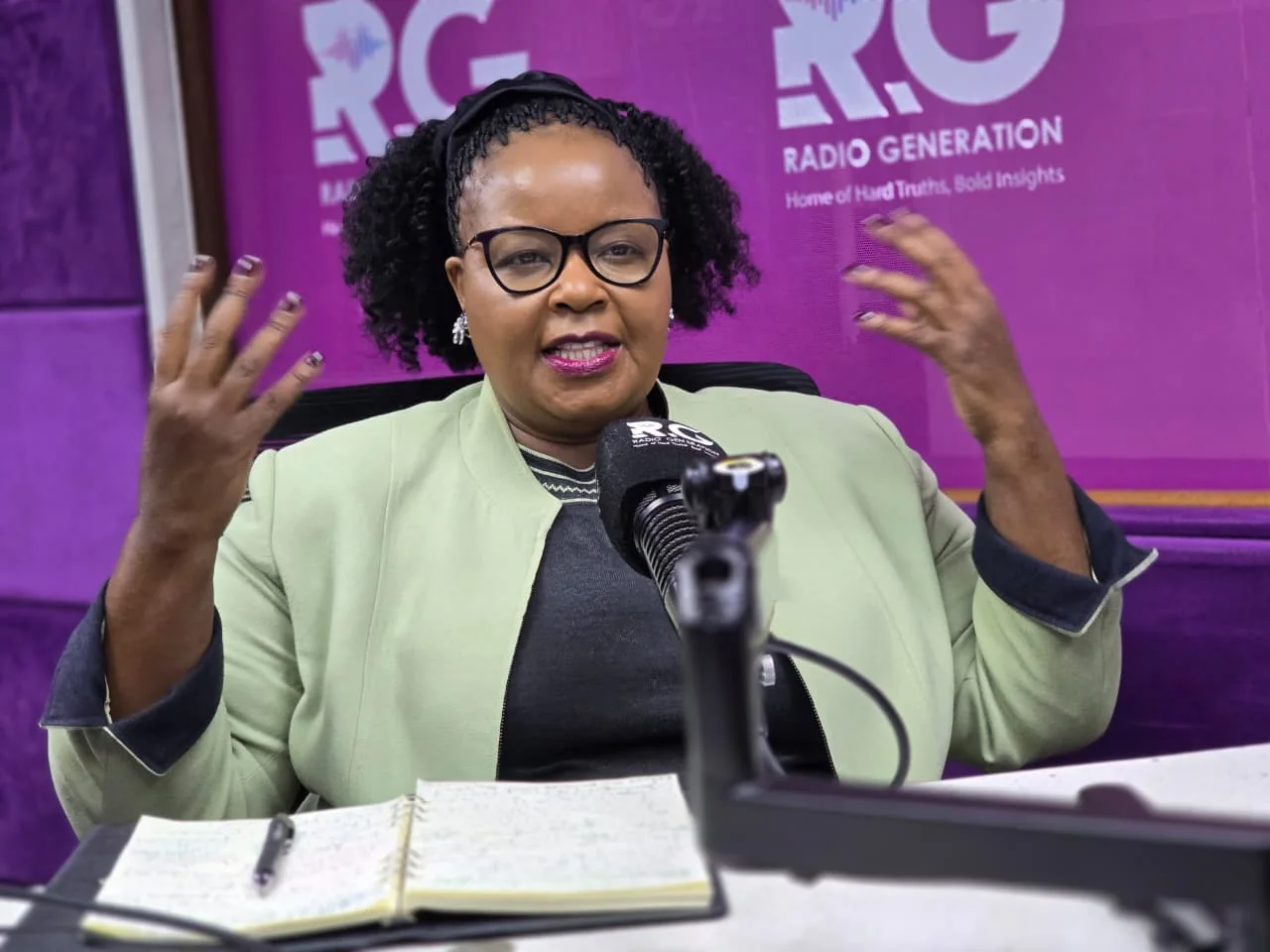
Bishop Margaret Wanjiru has announced a comprehensive plan to address the key challenges facing Nairobi, including garbage collection, unreliable water supply, poor roads, and inadequate facilities in public schools. Speaking on Radio Generation, Wanjiru outlined her vision for a different approach to addressing these problems if elected governor. Her plan focuses on improving waste collection, expanding access to clean water, repairing roads and drainage systems, and upgrading public schools and markets. This multi-faceted approach aims to tackle the city's most pressing infrastructure issues.
Wanjiru identified garbage collection as a critical area that requires a new approach. She proposed a system that involves communities and creates value from waste instead of treating it as a disposal problem. The bishop suggested partnering with community-based organisations and youth groups to collect waste from estates and informal settlements before it is moved to processing centres. At these centres, waste would be sorted into recyclable materials, food waste that could be converted into compost, and material that could not be reused. This approach, she believes, can generate value for Nairobi.
The bishop also emphasised the need for reliable access to safe and clean water for Nairobi residents. She argued that residents should not be forced to pay county water bills while also purchasing water from private bowsers. Wanjiru stated that the county needs to address the state of roads and drainage, citing poor roads in areas such as Riverside, Kariokor, and Kamukunji. She proposed upgrading public schools based on demand by adding classrooms, constructing dining halls and meeting halls, and improving school playgrounds. These upgrades aim to enhance the learning environment for students.
To expand economic opportunities, Wanjiru proposed constructing 20 new markets alongside the renovation of existing ones. These markets could serve traders dealing in various goods, including clothes, fresh produce, meat, and electronics. Additionally, she suggested establishing digital hubs where young people could receive training, access equipment, and use reliable internet as they seek opportunities in the international digital economy. This initiative aims to equip young people with the skills and resources needed to succeed in the digital economy.
Wanjiru further highlighted several revenue streams available to the county, including parking fees, licences, market charges, advertisements, land rates, and water charges. She believes that Nairobi County has significant potential for revenue generation, but it is currently mismanaged. The bishop's plan would focus on optimising these revenue streams to fund infrastructure development and improve services for residents.
Wanjiru's plan is guided by her vision of a functional Nairobi, where the county leadership stays close to residents and responds to problems affecting them in their daily lives. She declared her bid for the Nairobi governor's position on the Kenya Moja Movement Party ticket on September 6, describing her candidature as a “call to serve”. Her return to elective politics came after she resigned as chairperson of the Nairobi Rivers Commission in August.
Wanjiru's comprehensive plan addresses several critical challenges facing Nairobi, and her candidature has generated significant interest in the lead-up to the 2027 elections. With her experience and vision, she aims to provide a new approach to addressing the city's infrastructure issues.
Key points
- Bishop Margaret Wanjiru outlines a comprehensive plan to address Nairobi's infrastructure challenges.
- The plan focuses on improving waste collection, expanding access to clean water, and upgrading public schools and markets.
- Wanjiru's vision is guided by her concept of a functional Nairobi, where the county leadership prioritises residents' needs.