The Birim River in Ghana's Eastern Region has suffered severe pollution due to illegal mining activities, with its turbidity levels reaching approximately 50,000 NTU. This significant increase in turbidity, a measure of water cloudiness caused by suspended particles, has rendered the water unsafe for treatment and distribution. The pollution has had a devastating impact on residents of Kibi and surrounding communities, who have been without access to safe drinking water for over a year.
The Kibi water treatment plant, which relies on the Birim River as its source, has been idle since August 2025 due to the river's high contamination levels. According to Dr. Kingsley Agyemang, the Member of Parliament for Abuakwa South, the plant's closure has forced thousands of residents to seek alternative sources of water, such as sachet water or untreated sources, which carry health risks. The situation has placed an additional economic burden on low-income families.
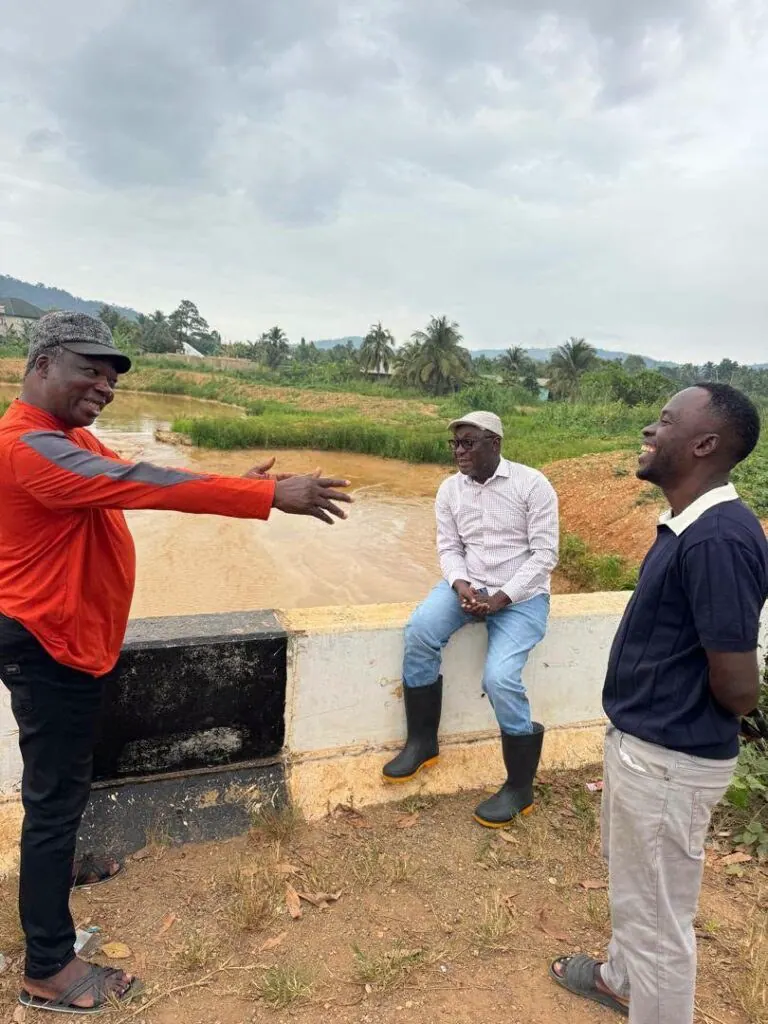
Dr. Agyemang toured sections of the Birim River alongside the District Manager of the Ghana Water Company Limited (GWCL) in Kibi to assess the damage caused by illegal mining. The inspection revealed the extent of the pollution and its impact on the river and the treatment facility. The MP emphasized that the Birim River is the lifeline of the area and that its continued pollution could have serious consequences for residents who rely on it.
The shutdown of the Kibi water treatment plant has affected households, schools, clinics, and businesses in and around Kibi, leaving them without a functioning public water treatment source for over a year. Many have had to depend on sachet water or untreated sources, which carry health risks. The situation has deepened the economic burden on low-income families, who must now purchase water that would otherwise be available through the tap.
Dr. Agyemang has begun a live media tour of illegal mining sites across the Abuakwa South Constituency, working with security agencies and local opinion leaders to document the destruction. The exercise aims to pressure authorities into stronger enforcement against galamsey operators and push for the restoration of damaged water bodies in the area.
The Birim River situation adds to growing concerns over illegal mining's impact on water bodies near the Atewa Forest region. Deputy Speaker of Parliament Alexander Afenyo-Markin has warned that unchecked galamsey activity threatens to wipe out both the Atewa Forest and the water supply it helps sustain. The situation highlights the need for urgent, coordinated action to halt illegal mining activity and restore damaged water bodies.
The MP is calling for urgent action from government and security agencies to halt illegal mining activity along the river and create conditions for the Kibi treatment plant to resume operations. Without such intervention, continued degradation could leave future generations with a severely damaged natural resource. No timeline has been given for when the Kibi treatment plant might resume operations or when enforcement action against illegal miners will intensify.
Key points
- Birim River's turbidity levels have reached 50,000 NTU due to illegal mining.
- Kibi water treatment plant has been shut since August 2025 due to pollution.
- Closure of the plant has left thousands without access to safe drinking water.