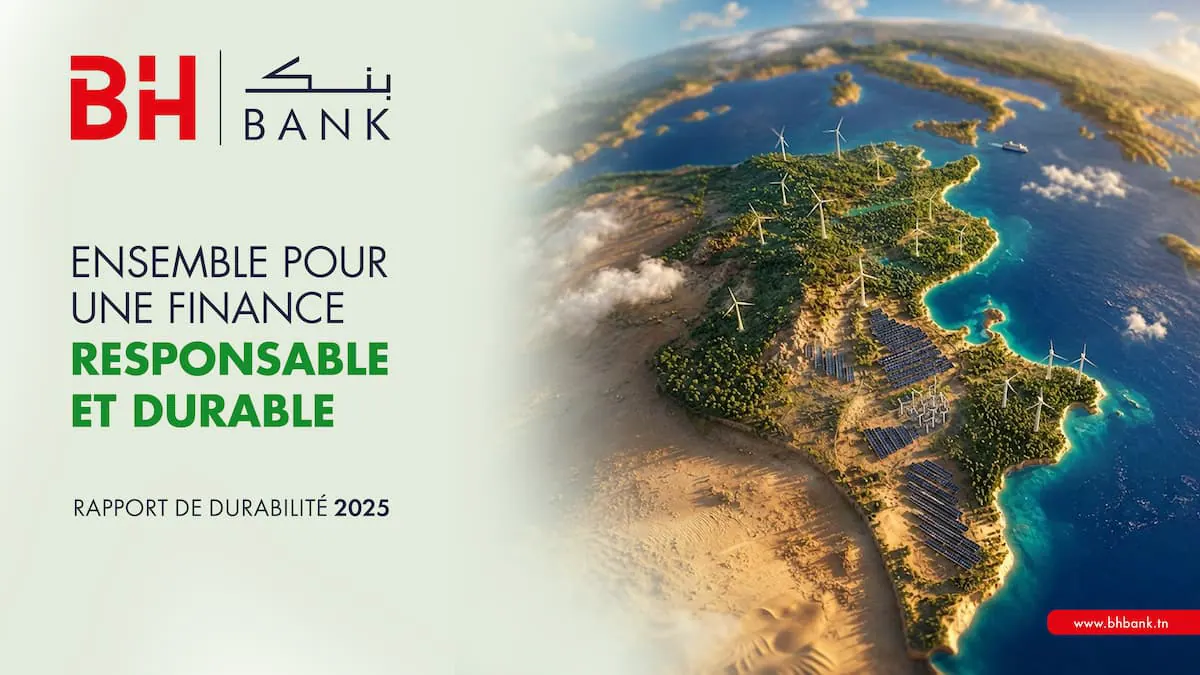
BH Bank has published its second Sustainability Report for the 2025 financial year, marking a significant milestone in its environmental, social, and governance (ESG) journey. The report outlines the bank's progress in implementing its sustainability strategy, which is built around four pillars: ethical governance, social commitment, responsible finance, and innovation and financial inclusion. This publication demonstrates the bank's commitment to transparency and accountability in its sustainability efforts.
The report highlights the bank's strengthened ESG governance, which is overseen by the Board of Directors and the General Management. A dedicated ESG committee, chaired by the General Director, has been established to define orientations, monitor the action plan, and coordinate ESG initiatives. In 2025, the bank developed three charters focused on ESG, diversity, and responsible suppliers, promoting ethics, transparency, and environmental respect.
BH Bank prioritizes human capital development, with a workforce of 1,853 employees, comprising 53% women and 47% men. In 2025, the bank provided 17,658 hours of training, averaging 7.6 hours per employee. Training programs focused on compliance, anti-money laundering, and sustainable finance, as well as integrating ESG criteria into banking activities. Specific training on sustainable development fundamentals was also provided to managerial staff.
A significant achievement in the report is the bank's first carbon footprint assessment, covering scopes 1 and 2 emissions. The total emissions for 2025 were approximately 3,056 tonnes of CO2e. Scope 1 emissions, primarily from fugitive emissions, vehicle fleet, and generators, accounted for around 490 tonnes of CO2e. Scope 2 emissions, related to purchased electricity, represented about 2,566 tonnes of CO2e, or 84% of the total measured emissions.
The bank continues to promote responsible finance, supporting inclusive and sustainable economic growth. In 2025, BH Bank financed 528 housing projects, disbursed 60.25 million dinars, and provided 76 credits for constructing rainwater harvesting systems, valued at 1.322 million dinars. The bank also organized financial education initiatives for students, promoting responsible financial behaviors.
The report demonstrates BH Bank's commitment to continuous improvement in its sustainability efforts. Future steps will focus on enhancing reporting quality, analyzing ESG and climate risks, expanding the carbon footprint assessment, and integrating environmental and social considerations into financing and investment activities. This approach aims to contribute to a more responsible and resilient financial system.
Through this second Sustainability Report, BH Bank reaffirms its dedication to integrating ESG considerations into its governance, operations, and risk management. The report is available online, providing stakeholders with a comprehensive overview of the bank's sustainability performance and progress.
Key points
- BH Bank publishes its second sustainability report, highlighting progress in ESG governance, human capital development, and responsible finance.
- The bank conducts its first carbon footprint assessment, revealing 3,056 tonnes of CO2e emissions for 2025.
- BH Bank continues to promote financial inclusion and education, supporting economic growth and sustainable development.