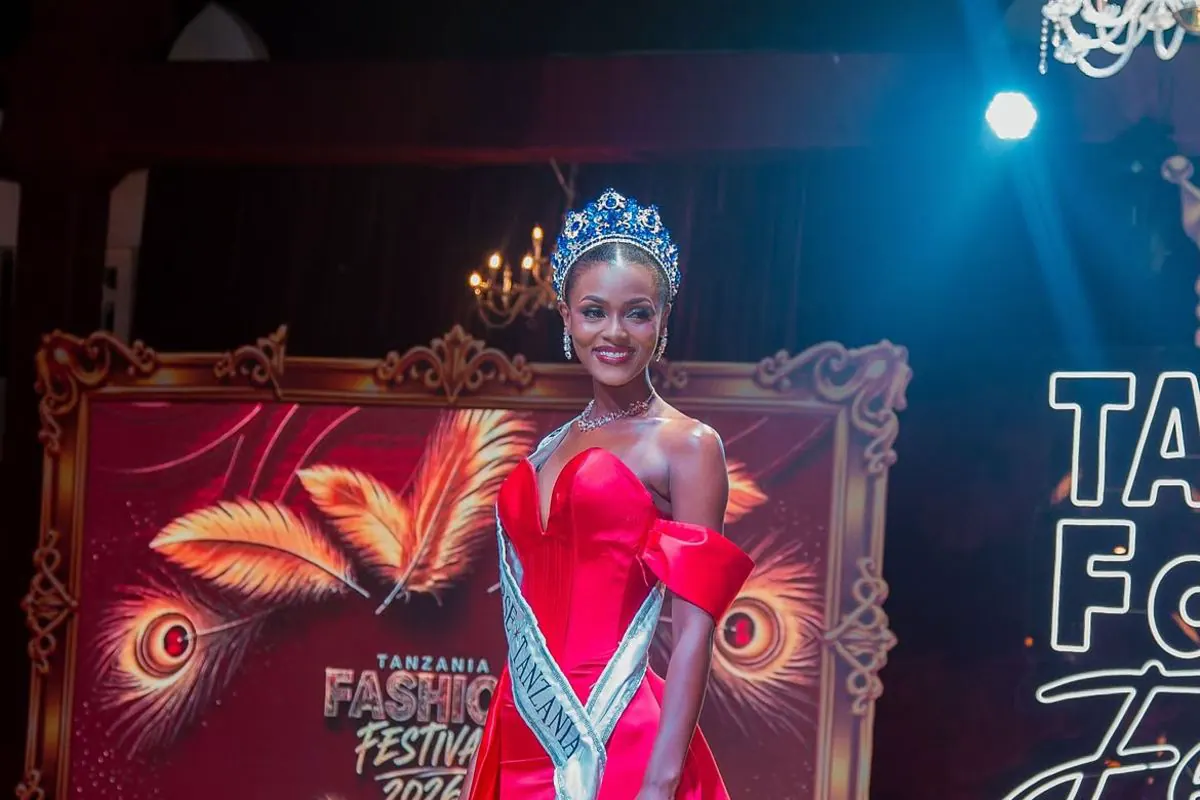
The Tanzania Fashion Festival returned for its seventh edition on September 26, transforming The Slipway in Masaki into a vibrant setting with striking red décor. Guests arrived in carefully considered looks, turning the crowd into an extension of the fashion showcase. The festival brought together fashion designers, models, beauty queens, and entertainment personalities, with the runway as the centrepiece of the evening.
The festival featured various designers, including M2MOKO, who added a contemporary voice to the celebration of Tanzanian fashion. Juma Jux's African Boy showcased menswear with a collection built around African identity, confidence, and modern style. The presence of different designers made the runway interesting, allowing various aesthetics, silhouettes, and approaches to share the same stage.
The festival's organisers positioned the platform as a space for emerging designers and models, with no participation fee required. The aim is to identify and support new talent while giving local fashion greater visibility. Beauty queens, including Miss Grand Tanzania Beatrice Alex and Miss Grand Kilimanjaro Tess Kessy, were also given a prominent role in the festival.
Fayvanny was announced as the guest of honour, bringing another familiar entertainment face into the space where fashion, beauty, and popular culture intersect. For some attendees, meeting beauty queens at the festival offered a different perspective on the meaning of beauty. They inspired a conversation about using beauty with purpose, beyond glamour and titles.
The festival drew a distinction between pageantry and runway modelling, with Madam AJ, a manager, stating that runways showcase clothes designs, while beauty pageants focus on beauty with a purpose. The combination of fashion and pageantry allowed models to present designers' work while beauty queens brought another dimension to the conversation.
The festival also highlighted the demands of modelling and pageantry, with male model Sanny stating that the profession requires discipline, particularly in the run-up to a showcase. However, he believes modelling should not be reduced to a particular body shape, echoing Madam AJ's point that the industry accommodates plus-size models.
The Tanzania Fashion Festival 2026 sent a message that fashion does not have to look one way, beauty does not have to fit one mould, and modelling does not require a traditional body type. The festival celebrated visual expression, with fashion becoming a language through which people communicated personality without words.
Key points
- The festival promoted diversity and inclusivity in the fashion industry.
- Emerging designers and models were given a platform to showcase their work.
- The event highlighted the intersection of fashion, beauty, and popular culture.