As world leaders gather for the 81st Session of the United Nations General Assembly in New York, Ghana's founding president, Dr. Kwame Nkrumah, remains a significant figure in the institution's history. Decades after his overthrow in 1966, the questions he raised about African unity, economic independence, global inequality, and self-determination remain central to the challenges confronting today's leaders.
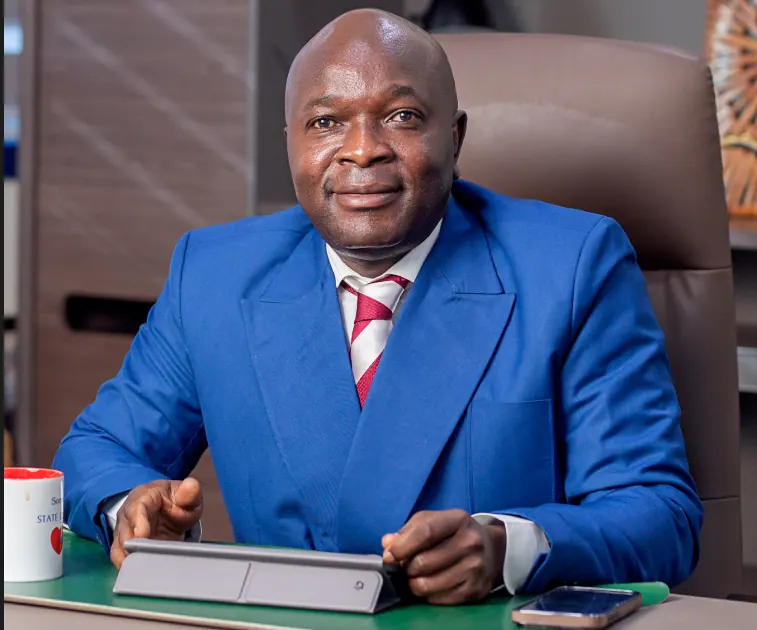
The renewed debate in Ghana about Dr. Nkrumah's legacy has gained added relevance following recent remarks by former New Patriotic Party running mate Matthew Opoku Prempeh. At Dr. Nkrumah's 117th birthday celebration event, Dr. Prempeh called on Ghanaians to rise above partisan politics and honour Dr. Nkrumah's contribution to Ghana, Africa, and the wider world.
Dr. Prempeh described Ghana's first president as a "generational thinker," a liberation icon, and an architect of nation-building whose legacy transcends political divisions. Those comments marked a notable evolution from the controversy that surrounded his 2024 comparison of Nkrumah and former President Nana Akufo-Addo, remarks for which he later apologized and clarified.
Dr. Nkrumah's significance was never confined to Ghana. At a time when much of Africa remained under colonial rule, he articulated a vision of political and economic liberation that resonated across the continent. Long before regional integration became fashionable, Dr. Nkrumah argued that Africa could only achieve meaningful development through unity, collective security, and shared economic progress.
The recent creation of the African Continental Free Trade Area (AfCFTA), headquartered in Accra, can be viewed as a modern expression of the continental integration project that Dr. Nkrumah championed more than six decades ago. Dr. Nkrumah was also among the earliest African leaders to challenge the structure of the international economic order, warning that political independence would mean little without economic sovereignty.
As African leaders prepare to address the world through the UN General Assembly, many of the issues dominating the agenda would be familiar to Dr. Nkrumah: climate justice, development financing, global governance reform, peace and security, and equitable representation in international institutions. The debate about Africa's demand for a stronger voice within the UN Security Council reflects the very struggle for global equality that Dr. Nkrumah advocated throughout his career.
Dr. Nkrumah's message of unity, self-reliance, strategic development, and Pan-African cooperation remains not just a historical legacy but a blueprint that many of today's leaders would do well to revisit. His legacy continues to inspire leaders in Ghana and across Africa, and his ideals remain relevant in addressing the challenges confronting the continent today.
Key points
- Dr. Kwame Nkrumah's legacy continues to inspire leaders in Ghana and across Africa
- Dr. Nkrumah's ideals remain relevant in addressing the challenges confronting the continent today
- The African Continental Free Trade Area (AfCFTA) is a modern expression of Dr. Nkrumah's continental integration project