The PMUD-GN project consists of five components, including improving urban mobility governance, professionalizing artisanal transport operators, enhancing road safety and waterway security, improving urban mobility conditions, and promoting electric two-wheelers. The project also focuses on strengthening capacities and project management. This initiative aims to address the growing need for efficient transportation in the region.
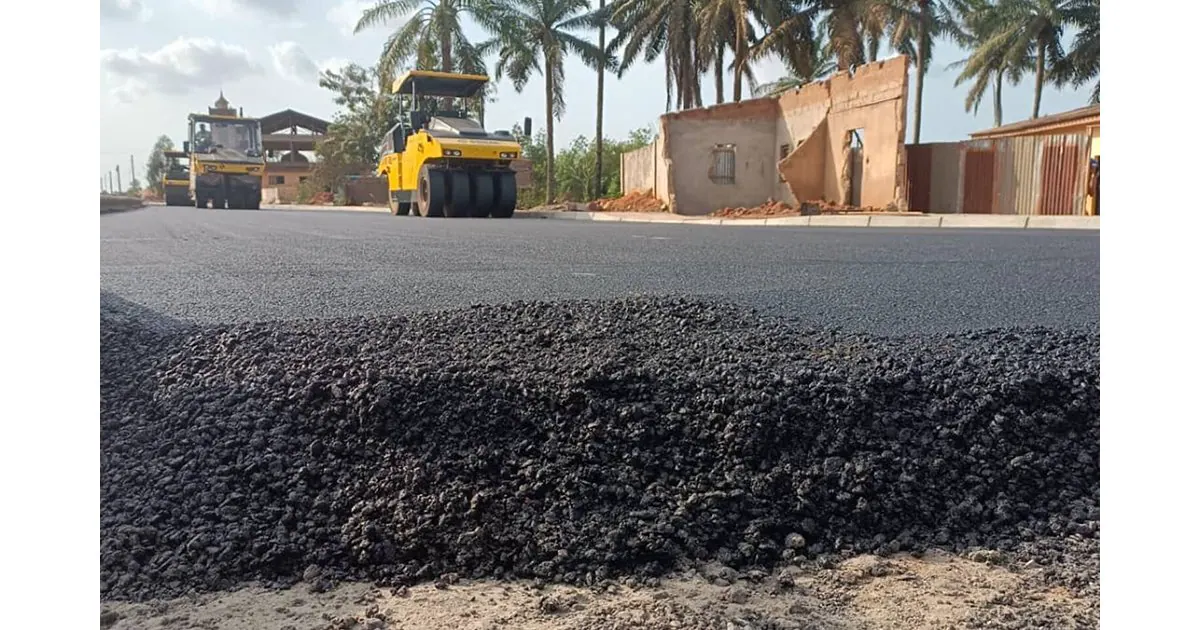
A key aspect of the PMUD-GN project is the development of public transportation services along priority corridors in the Greater Nokoué. Two main axes have been identified: the north-south section of RNIE2 and RNIE 1, and the section of RNIE 1 from Pahou to the Godomey interchange. These corridors will undergo comfort improvement works, including the renovation of intersections, rehabilitation of roads, and installation of pedestrian crossings.
The project also involves constructing new infrastructure, such as bus terminals, depots, and parking facilities. Additionally, the development of a new urban boulevard, currently not built, has been identified as a crucial component. This boulevard, stretching approximately 24 km, will help alleviate traffic congestion on the priority corridors and optimize long-term land transportation.
Three bridges have been earmarked for reconstruction under the PMUD-GN project: Porto Novo, Ganhi, and Djonou. The reconstruction will involve building new bridges with a 2x2 lane configuration, complete with a central reservation and bicycle lanes. These upgrades aim to improve traffic flow and enhance safety.
The PMUD-GN project also encompasses the development of waterway transportation on Lake Nokoué. Two priority axes have been identified: Cotonou - Porto-Novo and Cotonou - Abomey-Calavi. The goal is to modernize and structure the existing informal waterway transportation services, which currently operate with small, non-compliant boats.
The project is expected to bring significant improvements to the urban mobility landscape in Cotonou and its periphery. With the World Bank's financial backing, the Beninese government is poised to implement these ambitious plans, which should be completed by 2033. The successful execution of this project will greatly enhance the quality of life for residents and visitors alike.
The Beninese government has taken a significant step towards transforming the country's infrastructure. The implementation of the PMUD-GN project will not only improve transportation but also have a positive impact on the economy and the environment. The project is a testament to the government's commitment to sustainable development.
Key points
- The PMUD-GN project will improve urban mobility in Cotonou and its periphery.
- The project involves constructing new infrastructure, including bus terminals and depots.
- Three bridges have been earmarked for reconstruction under the project.