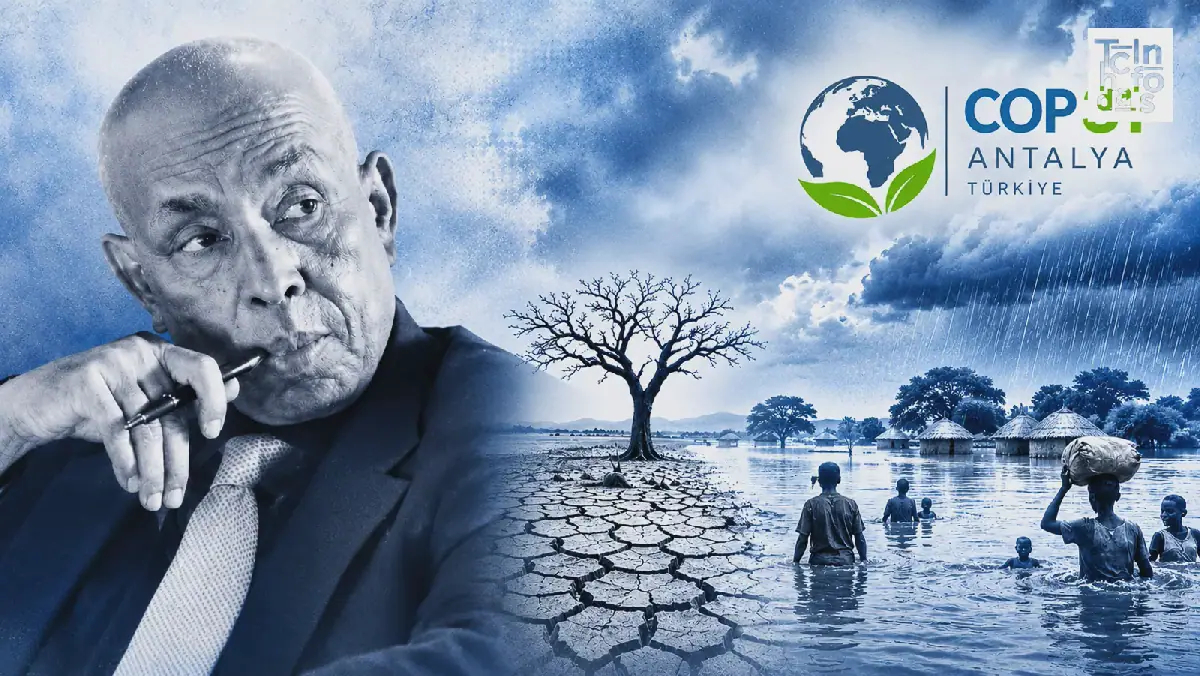
The Sahel region is facing an urgent threat from climate change, with severe consequences for its people and ecosystems. Prof. Zakaria Ousman, a Chadian expert and President of Sahkal-Tchad, warns that the region's survival is at stake due to rising temperatures, changing precipitation patterns, and increased violence. He notes that the Sahel's vulnerability to drought and desertification makes it particularly susceptible to climate-related disasters.
The expert cites recent torrential rains in the Sahel, Nigeria, and Chad as evidence of the region's growing vulnerability to extreme weather events. These events are often viewed as isolated incidents, but Prof. Ousman argues that they are part of a larger pattern of climate-related disruptions. He emphasizes that a localized response to these disasters is insufficient and that a more comprehensive, global approach is needed to address the root causes of climate change.
According to Prof. Ousman, the Sahel's environmental challenges are closely linked to global climate patterns. He notes that changes in ocean temperatures and atmospheric circulation patterns are affecting the region's climate, leading to more frequent and severe droughts and floods. The expert also highlights the interconnectedness of ecosystems, citing the example of Saharan dust that nourishes the Amazon rainforest.
Prof. Ousman stresses that a global response to climate change requires cooperation and coordination among governments, international organizations, and local communities. He advocates for a solution that incorporates partnerships, synergistic action, and coordination across different sectors and levels of government. The expert also emphasizes the need for sustainable technologies, financing, and social engineering to support climate-resilient development.
The Chadian expert notes that Africa should not be scapegoated for climate change, but rather recognized as a key partner in finding solutions. He argues that the continent's experiences and expertise can inform global efforts to address climate change. Prof. Ousman also highlights the importance of engaging local communities and promoting vertical and intersectoral coordination to ensure the long-term sustainability of climate-related projects.
Prof. Ousman's call for a global response to climate change comes as the international community prepares for future climate negotiations. He emphasizes that the survival of humanity is at stake and that collective action is needed to address the causes and consequences of climate change. The expert's warnings highlight the need for urgent and sustained action to protect the Sahel region and other vulnerable areas from the impacts of climate change.
The international community is increasingly recognizing the need for collective action to address climate change. Prof. Ousman's advocacy for a global response reflects a growing consensus that climate change is a global problem requiring a global solution. As the world continues to grapple with the challenges of climate change, the expert's message serves as a reminder of the need for cooperation, coordination, and collective action to protect the planet and its inhabitants.
Key points
- A global response to climate change requires cooperation and coordination among governments, international organizations, and local communities.