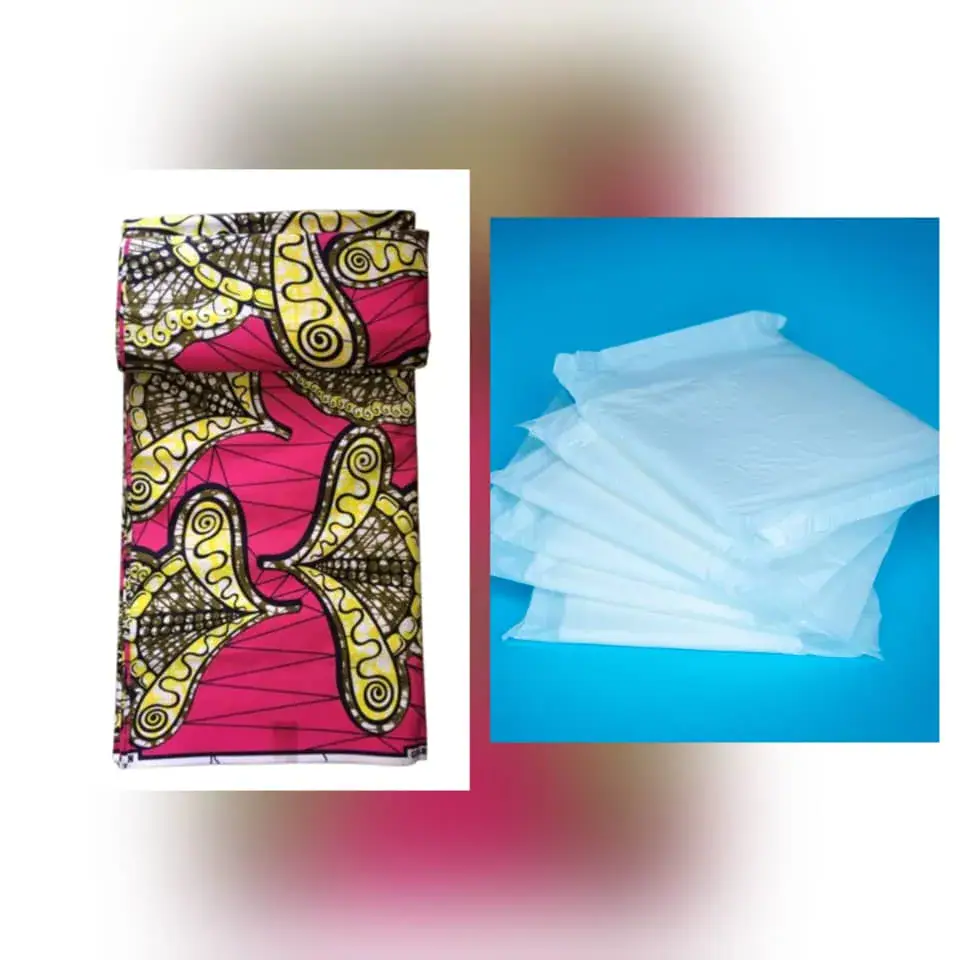
Menstruation is a natural part of life for women, and in West Africa, the way women manage their periods has evolved over time. In the past, young girls and women in Benin used traditional cloths, known as "Gnonnougba dokpo," during their menstrual cycles. These cloths were usually pieces of cotton fabric, often already used, cut into smaller pieces, and folded multiple times to manage menstrual flow. This traditional method was passed down from mothers to daughters, with aunts sometimes taking on this role if mothers were not available.
The use of traditional cloths for menstrual hygiene had cultural and spiritual significance. According to Sylvère L., it represented a spiritual symbol for African women, with menstrual blood linked to life and the cloth carrying a sacred and protective dimension. The cloths were used in rituals to protect women and their descendants, and great care was taken to keep them away from malicious individuals. However, managing these cloths was a challenge, involving washing, drying, and hiding them in a society where menstruation was strictly taboo.
Maman Sica, a sexagenarian, recalls her experience with traditional cloths, describing it as a period of discomfort and embarrassment, especially outside the home. She had to constantly readjust and check to prevent leaks. In contrast, modern disposable sanitary pads have revolutionized menstrual hygiene in Benin. These pads offer increased comfort, practicality, and ease of use, allowing women to go about their daily lives with more confidence and discretion.
Sylvère L. notes that the preference for modern sanitary pads is due to their simplicity, comfort, and time-saving benefits. However, the use of disposable pads has introduced new challenges, particularly regarding their disposal. Many women either throw them away in the trash or flush them down toilets, risking clogged drains and environmental pollution. This raises concerns about the ecological impact and proper elimination of hygiene waste.
The production and distribution of sanitary pads in Benin also raise questions about their conformity to existing standards. While modern pads offer convenience and comfort, their environmental and health implications need to be addressed. This paradox highlights the need for a new approach to menstrual hygiene, balancing the benefits of modernity with environmental and public health concerns.
The shift from traditional cloths to modern sanitary pads reflects broader changes in societal attitudes towards menstruation and hygiene. As women in Benin increasingly adopt modern pads, there is a growing need for education on proper disposal and for sustainable solutions to manage menstrual waste. This includes exploring eco-friendly alternatives and improving waste management infrastructure.
The conversation around menstrual hygiene in Benin underscores the importance of addressing the environmental and health impacts of modern sanitary products. By understanding the evolution of menstrual hygiene practices and their cultural significance, stakeholders can work towards creating a more sustainable and supportive environment for women's health.
Key points
- The shift from traditional cloths to modern disposable sanitary pads in Benin offers increased comfort and convenience but poses environmental challenges.
- Proper disposal of sanitary pads and their environmental impact are significant concerns in Benin.
- The production and distribution of sanitary pads in Benin raise questions about their conformity to existing standards.