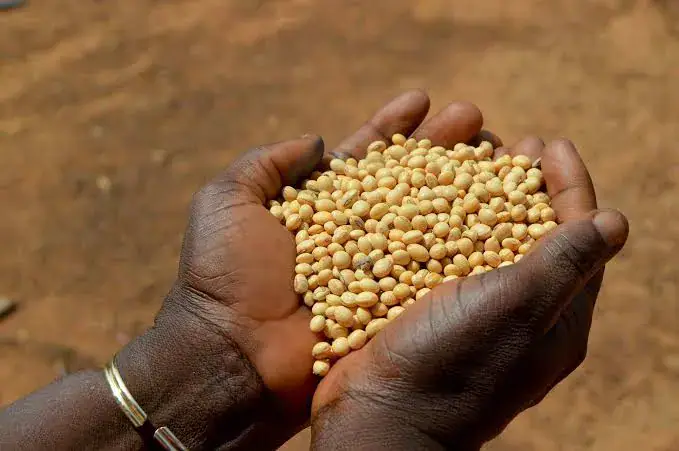
The Interprofessional Soybean Association of Benin (I-Soja Bénin) has issued supply rights to 23 industrialists, ahead of the 2026-2027 campaign launch. This move aims to secure soybean purchases and transportation to factories, reducing fraudulent exports to neighboring countries. The I-Soja Bénin president, Djibril Afatiti, considers these rights an official authorization for factories to source soybeans.
The supply rights, presented at the National Agricultural Chamber in Cotonou, are meant to be attached to order forms submitted to suppliers. According to Hassane Ibrahim N'Guatado, I-Soja Bénin's permanent secretary, this system targets supplying national factories with over 450,000 tonnes of soybeans. The soybean marketing campaign began on November 6 under a free market regime, with exports starting on February 15, 2027.
However, the Ministry of Internal Trade has deemed the issuance of these supply rights contrary to regulations. In a communiqué signed by Secretary General Herman Zimé, the ministry stated that soybean grain supply is free and that any document called "supply right" issued by any institution is unauthorized.
The soybean sector is regulated by the 2025 Finance Law (Law No. 2024-34 of December 12, 2024) and Decree No. 2022-568 of October 12, 2022, which prohibits soybean grain exports and sets implementation conditions. The purchase price for producers is determined by the free market. I-Soja Bénin forecasts a production of over 800,000 tonnes, exceeding the target of 450,000 tonnes for factory supply.
The controversy raises questions about the conditions for buying or transporting soybeans. The Interprofessional Soybean Association's stance on the Ministry's communiqué remains awaited. This development occurs as Benin aims to enhance its agricultural sector and ensure a smooth soybean supply chain.
The country's agricultural sector has seen recent developments, including initiatives focused on circular economy and waste valorization. Three Beninese initiatives were recently recognized for their energy innovations. The soybean sector's stability is crucial for Benin's economy, given its potential for growth and job creation.
As the situation unfolds, stakeholders will be monitoring the Interprofessional Soybean Association's response to the Ministry's concerns and the impact on the soybean supply chain. The sector's future will depend on finding a balance between regulation and the free market, ensuring a stable and prosperous soybean industry in Benin.
Key points
- The Interprofessional Soybean Association's supply rights allocation has sparked controversy with the Ministry of Internal Trade.
- Benin's soybean sector is regulated by the 2025 Finance Law and Decree No. 2022-568.
- The country aims to supply national factories with over 450,000 tonnes of soybeans.