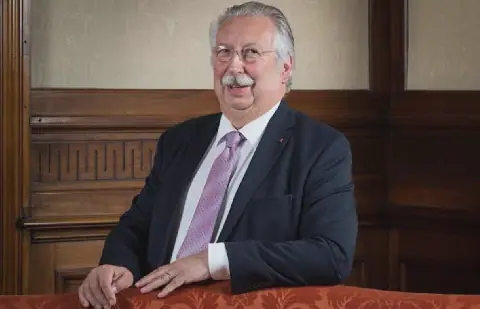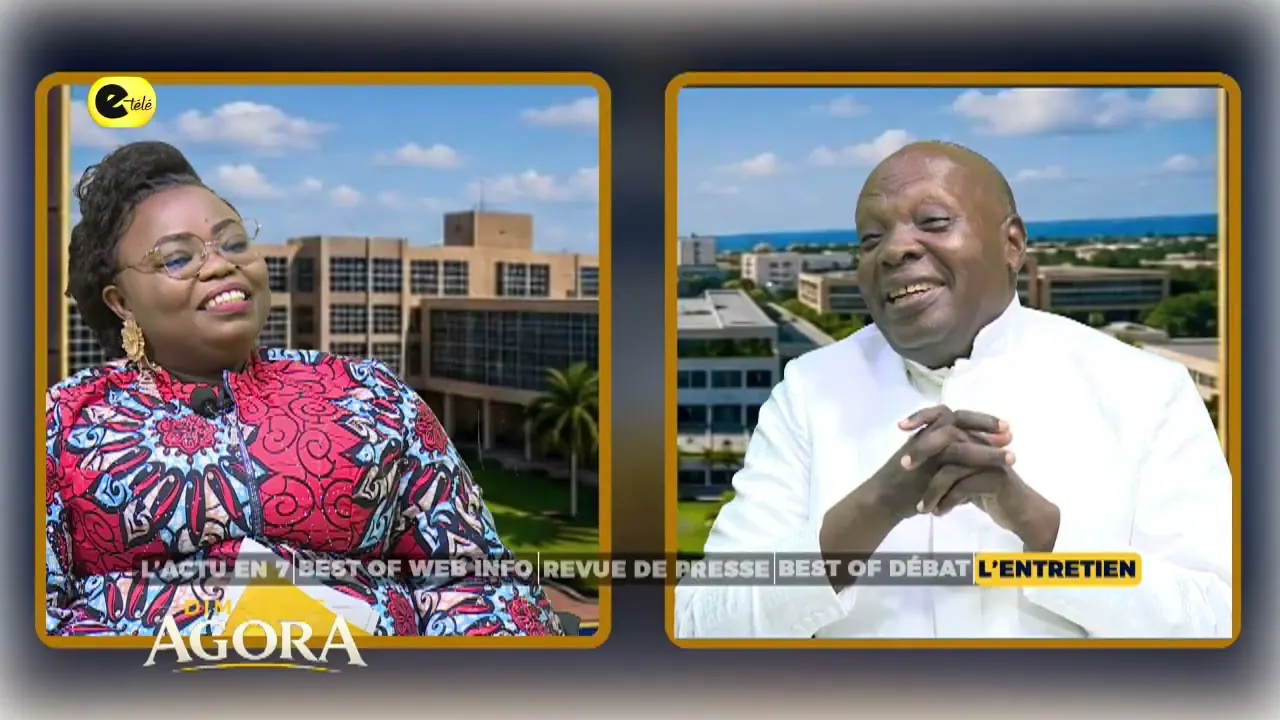
The program, aired on E-Télé, a Beninese television channel, is part of a series of discussions and reflections on the country's history and its implications on current national identity. Prof. François ABIOLA, a prominent academic, is at the helm of this initiative, which aims to provide a platform for diverse voices to contribute to the understanding of Benin's past and its influence on the present and future. The program has garnered attention from various sectors of society, indicating a widespread interest in reevaluating the nation's historical narrative.
E-Télé, the broadcasting entity behind the program, offers a wide range of shows and content, including entertainment, news, and educational programs. Their schedule features a mix of local and possibly international content, designed to cater to a broad audience. The channel's commitment to providing diverse programming reflects its goal of being a comprehensive source of information and entertainment for viewers in Benin. The program on rewriting Benin's history is a part of this larger effort to engage the public in meaningful discussions.
The initiative led by Prof. ABIOLA is not just about revisiting historical facts but also about understanding the complexities of national identity and the challenges that come with it. By exploring different perspectives on Benin's history, the program seeks to foster a deeper understanding among its citizens about their country and its place in the region. This approach acknowledges that history is not static but a living, breathing narrative that evolves with new insights and interpretations.
The airing of the program on October 11, 2026, as mentioned on E-Télé's platform, indicates a strategic effort to coincide with significant events or periods that might influence public discourse. The use of various media platforms, including YouTube, Facebook, and Twitter, by E-Télé, underscores the importance of digital engagement in modern broadcasting. This multi-platform approach allows for a wider reach and encourages more people to participate in the conversation.
E-Télé's coverage includes a variety of shows, such as "L'e-Weekend," which focuses on music and culture, offering a lighter counterpoint to more serious discussions like the one on Benin's history. The channel's schedule is designed to appeal to different tastes and interests, ensuring that there is something for everyone. This diversity in programming is a reflection of E-Télé's mission to serve as a comprehensive media outlet.
The engagement with Prof. ABIOLA's program and others like it on E-Télé highlights the role of media in shaping public opinion and fostering national dialogue. By providing a platform for experts and the general public to share their views, E-Télé is contributing to a more informed and engaged citizenry. This is particularly important in a context where understanding one's history and identity can play a crucial role in shaping the future.
As the program continues to spark conversations across Benin, it serves as a reminder of the power of media and academic initiatives in redefining national narratives. With its focus on inclusivity and diverse perspectives, the effort led by Prof. ABIOLA has the potential to contribute significantly to Benin's ongoing discourse about its history, identity, and the challenges it faces. The exploration of these themes is essential for a deeper understanding of the nation's past, present, and future trajectory.
Key points
- The program coordinated by Prof. François ABIOLA aims to rewrite and reexamine Benin's history.