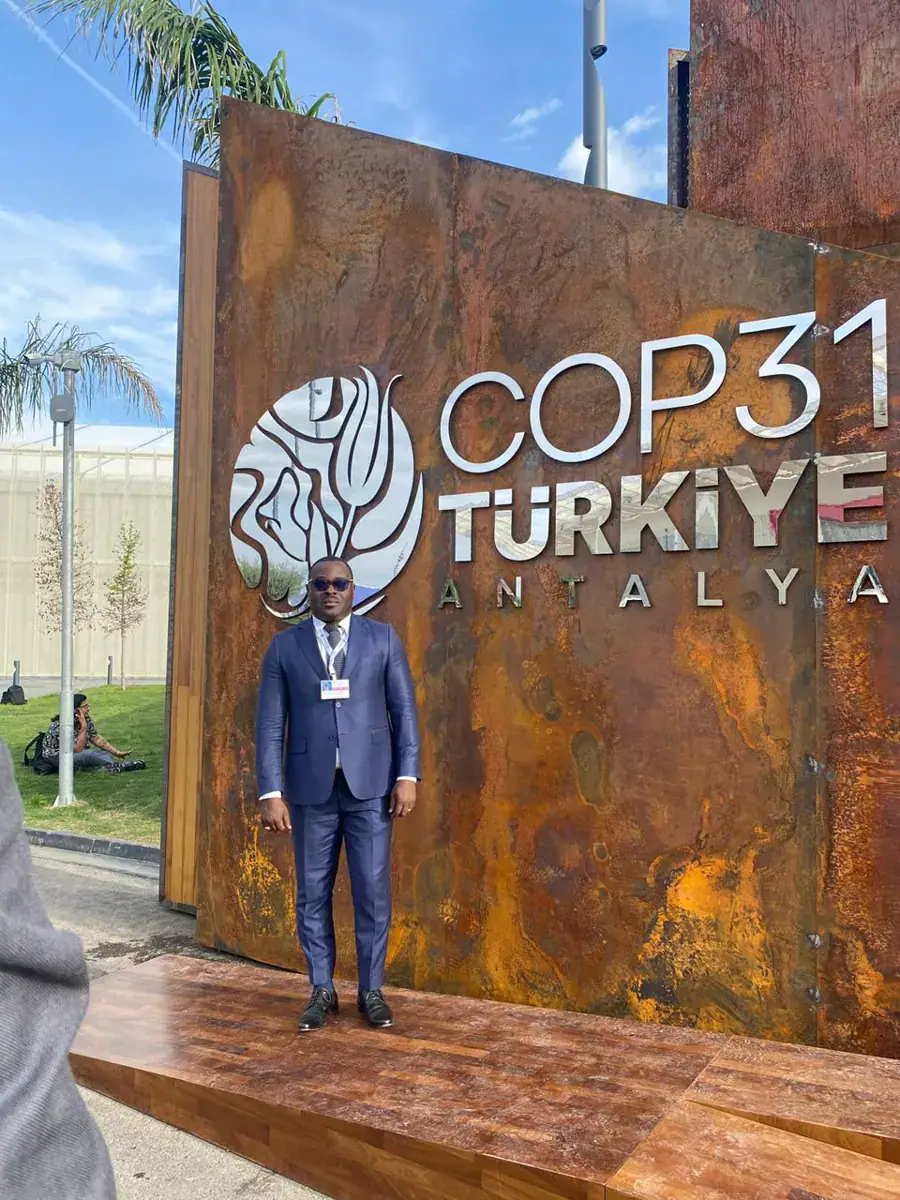
The mayor of Bohicon, Ferdinand Bokossa Yaou, has presented a project to transform unsold agricultural products into value-added goods, aiming to reduce food waste and adapt to climate change. The initiative was showcased at the launch of the Circular Food Systems and Gastronomic Cities Initiative (Icfg) on the sidelines of COP 31 in Antalya, Türkiye. This project seeks to utilize Bohicon's position as a commercial and agricultural hub to address post-harvest losses.
Bohicon, with a population of approximately 171,000, faces challenges due to decreased rainfall, affecting harvests and commercialization circuits. Unsold products often spoil at collection centers, resulting in economic and food losses. The proposed project involves establishing small agro-food processing units to convert citrus fruits into juice, and tomatoes and peppers into puree. This aims to limit losses, extend the shelf life of agricultural products, and create local jobs.
The municipality is also exploring ways to ensure the commercialization of transformed products. By valorizing agricultural productions, Bohicon aims to provide a concrete response to the consequences of climate change. The initiative has garnered attention, with Bohicon being one of the selected cities to present a project within the Icfg framework, alongside 17 Turkish cities, Belém (Brazil), Phuket (Thailand), and Parma (Italy).
As a recognized UNESCO Creative City since 2021 for its artisanal, musical, and culinary heritage, Bohicon seeks to leverage its experience as a hub city confronting post-harvest losses. Participation in this initiative opens up prospects for collaboration with technical and financial partners, cooperation agencies, and agro-food enterprises. The next step involves submitting a conceptual note to mobilize necessary project funding.
The technical services of the mayor's office are already working on project costing. This development comes as part of the municipality's efforts to address climate change and food waste. By engaging in such initiatives, Bohicon demonstrates its commitment to finding innovative solutions to pressing environmental and economic challenges.
The Circular Food Systems and Gastronomic Cities Initiative provides a platform for cities to share experiences and best practices in addressing food waste and promoting sustainable food systems. By being part of this network, Bohicon can tap into international expertise and resources to support its project. This collaboration may lead to the development of more effective strategies for reducing food waste and promoting sustainable agriculture.
The success of this project could have a positive impact on the local community, creating jobs and improving food security. It also sets a precedent for other cities in Benin and beyond to adopt similar initiatives, contributing to a more sustainable and environmentally conscious approach to food production and consumption. The project's outcome will be closely watched by stakeholders, as it seeks to address pressing issues related to climate change and food waste.
Key points
- The project aims to reduce food waste and adapt to climate change by transforming unsold agricultural products into value-added goods.
- Bohicon's participation in the Circular Food Systems and Gastronomic Cities Initiative opens up prospects for collaboration with technical and financial partners.
- The project's success could have a positive impact on the local community, creating jobs and improving food security.
Reporting sources
- Cop 31 : Le maire Ferdinand Bokossa défend le projet climatique de Bohicon · Bénin Intelligent