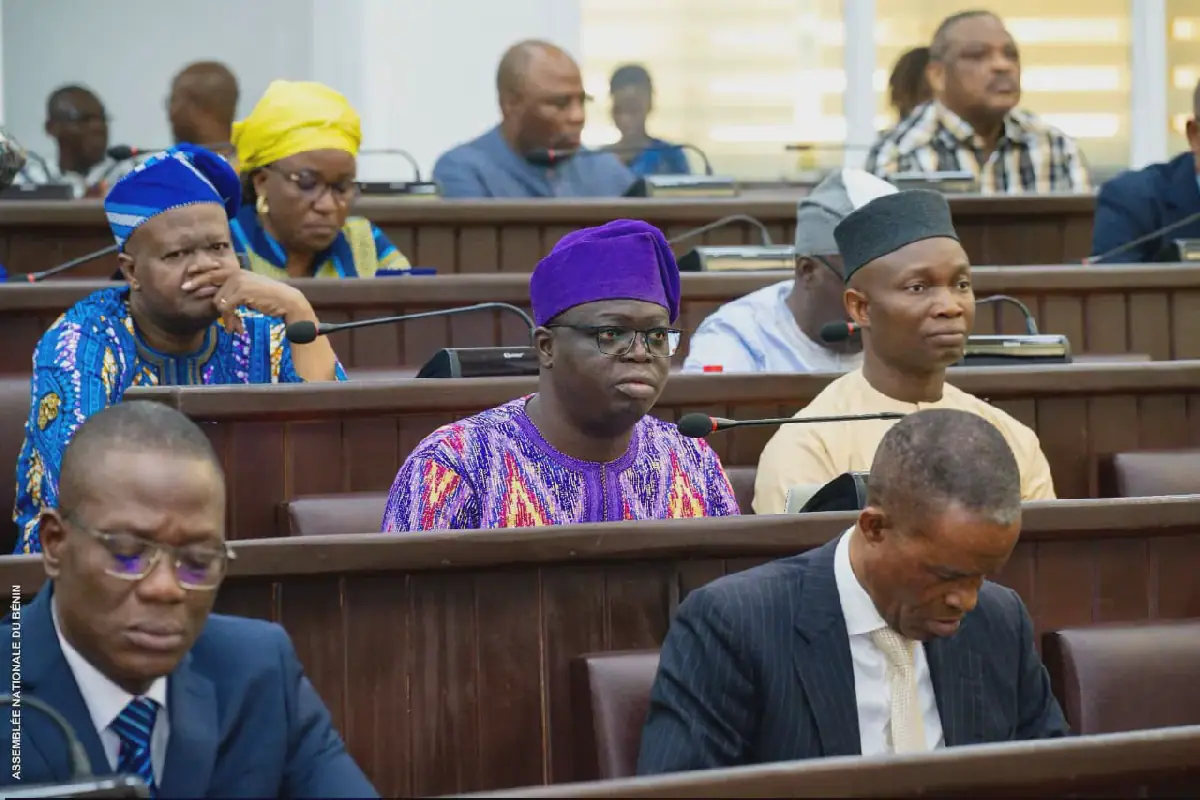
The Benin National Assembly's Committee on Finance and Exchange, in collaboration with the United Nations Development Programme (UNDP) and technical support from UNACEB, organized a two-day seminar to discuss the 2027 budget project. The event, which started on November 9, 2026, at the Palais des Gouverneurs in Porto-Novo, aims to equip lawmakers with the necessary tools to effectively examine the government's budget choices and related challenges.
The seminar's opening ceremony was led by Gérard Gbénonchi, chairman of the Finance and Exchange Committee. He emphasized the significance of the 2027 budget, which marks the beginning of a new five-year term. Gbénonchi urged his colleagues to look beyond the numbers and assess the coherence between the government's ambitions and the allocated resources. He highlighted key areas of focus, including domestic resource mobilization, public expenditure quality, operating cost control, and debt management.
The chairman also stressed the importance of evaluating the concrete impact of budgetary decisions on the population, particularly in areas such as healthcare, education, employment, and infrastructure. The seminar will address the needs of various social categories, including gender, children's rights, and concerns of people with disabilities and the elderly. Gbénonchi praised the leadership of National Assembly President Professor Joseph Fifamè Djogbénou and underscored the need for lawmakers to fully understand the budget project to effectively exercise their oversight role.
The seminar features eight scheduled communications, covering topics such as the 2026 budget management review, 2027 macroeconomic framework, revenue and expenditure forecasts, and integration of gender and children's rights into the budget. Other discussions will focus on tax and customs reforms, as well as the state's annual debt strategy. These sessions aim to provide lawmakers with comprehensive insights to inform their budget review and approval process.
The 2027 budget project is a critical component of the government's agenda, and its examination by the National Assembly is a crucial step in the country's budgetary process. The seminar is expected to enhance lawmakers' understanding of the budget and enable them to make informed decisions. By engaging in in-depth discussions, lawmakers can ensure that the budget aligns with the needs and priorities of the Beninese people.
The collaboration between the National Assembly, UNDP, and UNACEB reflects the ongoing efforts to strengthen budgetary oversight and promote transparent and accountable governance in Benin. The seminar demonstrates the commitment of stakeholders to fostering a more informed and participatory budgeting process. By working together, these stakeholders aim to promote sustainable development and improve the lives of Benin's citizens.
As the seminar progresses, lawmakers will engage in constructive debates and discussions to deepen their understanding of the 2027 budget project. The outcome of these deliberations will likely shape the National Assembly's recommendations and decisions on the budget, ultimately influencing the country's economic and social development trajectory.
Key points
- The seminar aims to equip Benin lawmakers with the necessary tools to effectively examine the government's 2027 budget choices and related challenges.