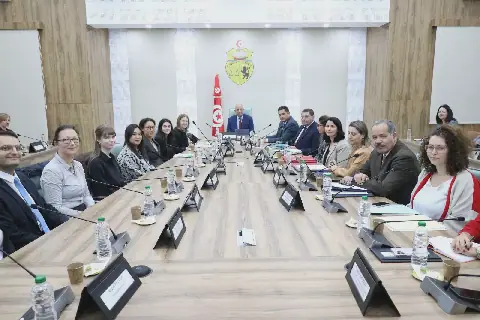
In Benin, midwives are speaking out about the alarming rate of violence they face in the workplace. On November 25, to mark the International Day for the Elimination of Violence against Women, Annick Nonohou Agani, a state midwife and human rights activist, shed light on the issue. According to Agani, midwives in Benin are subjected to various forms of violence, including moral harassment, abuse of power, arbitrary transfers, marginalization, and physical aggression.
The violence experienced by midwives in Benin can take many forms and often originates from colleagues and superiors, rather than patients or users. Agani described the working conditions for midwives in Benin as "non-enabling." The types of violence reported include administrative abuse of power, career blockages, arbitrary assignments, punitive transfers, excessive workload, moral harassment, sexist remarks, humiliation, physical aggression, and sexual harassment.
Agani attributed the root cause of the problem to medical paternalism, which she believes perpetuates a culture of care centered on illness rather than the rights of patients and humanized childbirth. Midwives who advocate for respectful care and humanized childbirth are particularly vulnerable to violence. Agani claimed that some midwives who promote humanized childbirth have been arbitrarily transferred or subjected to professional harassment.
The consequences of violence against midwives in Benin are far-reaching, affecting not only the professionals themselves but also the quality of care provided. Agani reported that victims often experience psychological trauma, post-traumatic stress, or depression. The violence can lead to demotivation, loss of confidence, erosion of commitment, professional exhaustion, decreased performance, and a lasting decline in the quality of obstetric care.
Despite the prevalence of violence against midwives, Agani noted that there are no official statistics on the issue. The lack of solidarity among colleagues, precarious working conditions, and weak professional organizations discourage victims from reporting incidents. Furthermore, there is no functional system in place for midwives to report violence or seek support.
To address the issue, Agani called for the establishment of transparent prevention and response mechanisms, the creation of a database on violence against midwives, and the punishment of perpetrators. She also advocated for specific legislation on the notification, prevention, and repression of violence against midwives, as well as the recognition of the National Order of Midwives of Benin.
Agani urged midwives who have experienced violence to speak out and defend their rights. She emphasized that silence only serves to protect perpetrators and undermine the careers and mental health of victims. By speaking out, midwives can help bring an end to the culture of violence and promote a safer, more supportive work environment.
Key points
- Medical paternalism perpetuates a culture of care centered on illness rather than the rights of patients and humanized childbirth.
- The lack of solidarity among colleagues, precarious working conditions, and weak professional organizations discourage victims from reporting incidents.
- To address the issue, Agani called for the establishment of transparent prevention and response mechanisms and the punishment of perpetrators.
Reporting sources
- Violences en milieu professionnel : Le calvaire silencieux des sages-femmes · Bénin Intelligent