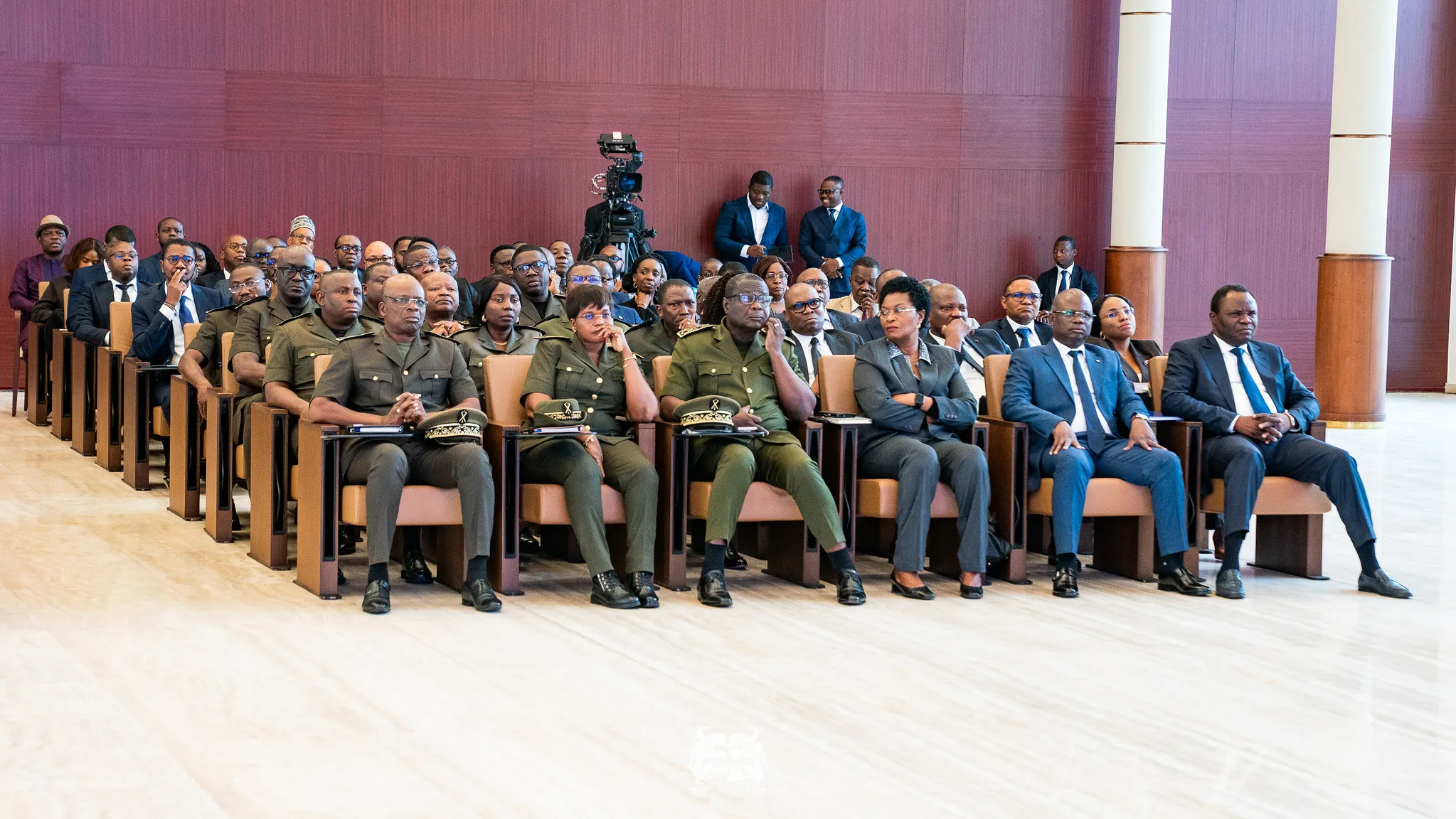
The government of Benin has launched a new development strategy aimed at promoting local economic growth and reducing inequalities across the country. The initiative, which involves the creation of territorial development poles, seeks to change the way local development is approached. By focusing on the unique strengths and realities of each territory, the government aims to create jobs, attract investments, and bridge the gap between different communes. This approach is expected to bring prosperity closer to the people.
The concept of territorial development poles is based on the idea that each commune has its own unique advantages and challenges. For instance, Banikoara has different strengths compared to Ouidah, while Nikki has different realities compared to Porto-Novo. The new strategy takes into account these differences and seeks to develop each territory based on its comparative advantages. This could include agriculture, tourism, industry, logistics, or commerce, depending on the specific strengths of each area.
The Minister of Decentralization and Local Governance, Janvier Yahouédéhou, has emphasized that each territorial pole should become a motor of growth capable of valorizing its own riches. The goal is not just to manage a territory but to develop it. The government aims to create a more productive agriculture sector, support the emergence of at least one industry in each pole, and strengthen local value chains. By doing so, the government hopes to retain more value within the territories and create opportunities for local populations.
One of the key challenges addressed by the reform is the reduction of territorial inequalities. Some communes have better infrastructure, a more dynamic economy, or greater attractiveness, while others face significant challenges. The government aims to create mechanisms that can accelerate the development of less favored areas while valorizing their potential. The goal is to make each territory an space of opportunities, regardless of a person's place of birth or residence.
The tourism sector is expected to play a significant role in the development of territorial poles. Each pole will identify its sites, history, traditions, or landscapes that can attract visitors. The aim is to create at least one city and one village of splendor in each territorial space. This approach is in line with recent investments in Ouidah, Abomey, Nikki, and Porto-Novo, where the government has sought to leverage cultural and historical heritage as an economic lever.
The reform also focuses on improving coordination among public actors, including communes, prefectures, and state services. To achieve this, the government has introduced the position of délégué général, who will be responsible for ensuring that different actors work together around a common vision of development. However, the government has emphasized that this new role will not create a new administrative layer, and the préfet and maire will retain their prerogatives.
The government has also emphasized the importance of results-based evaluation for the délégués généraux. This approach will focus on measurable outcomes, such as job creation, investment mobilization, and project implementation. By doing so, the government aims to ensure that the new territorial development poles are effective in promoting local growth and improving the lives of Benin's citizens.
Key points
- The Benin government has launched territorial development poles to promote local economic growth and reduce inequalities.
- The initiative focuses on valorizing the unique strengths and realities of each territory.
- The government aims to create jobs, attract investments, and bridge the gap between different communes.