Benin's President Romuald Wadagni has made economic diversification and competitiveness a top priority in his program, aiming to transform the country's economic model. The goal is to achieve growth driven by production, local transformation, industrialization, services, and innovation. This strategy focuses on key sectors such as agriculture, industry, commerce, energy, infrastructure, tourism, arts, handicrafts, and financial inclusion. By doing so, the government seeks to enhance the country's economic sovereignty, create jobs, and enable Beninese companies to compete in local and international markets.
The current economic model in Benin is largely based on redistribution and low-value-added activities. However, the government now aims to build a more resilient economy that can produce higher value-added products, distribute opportunities more evenly across sectors and regions, and withstand external shocks. To achieve this, Benin needs to transition from an economy dominated by commerce and low-value-added activities to one with a denser and more competitive productive fabric. This transformation requires significant investments in various sectors, including agriculture, which plays a central role in the country's economic ambitions.
Agriculture is a crucial sector in Benin's economy, accounting for a significant share of employment and household income. The government aims to modernize the agricultural sector by organizing value chains, promoting production transformation, and providing better economic and social prospects for farmers. To make agriculture more attractive and encourage investments, the government is implementing projects related to farmers' security and retirement. By ensuring secure incomes, social protection, and retirement planning, the government hopes to make farming a more appealing profession.
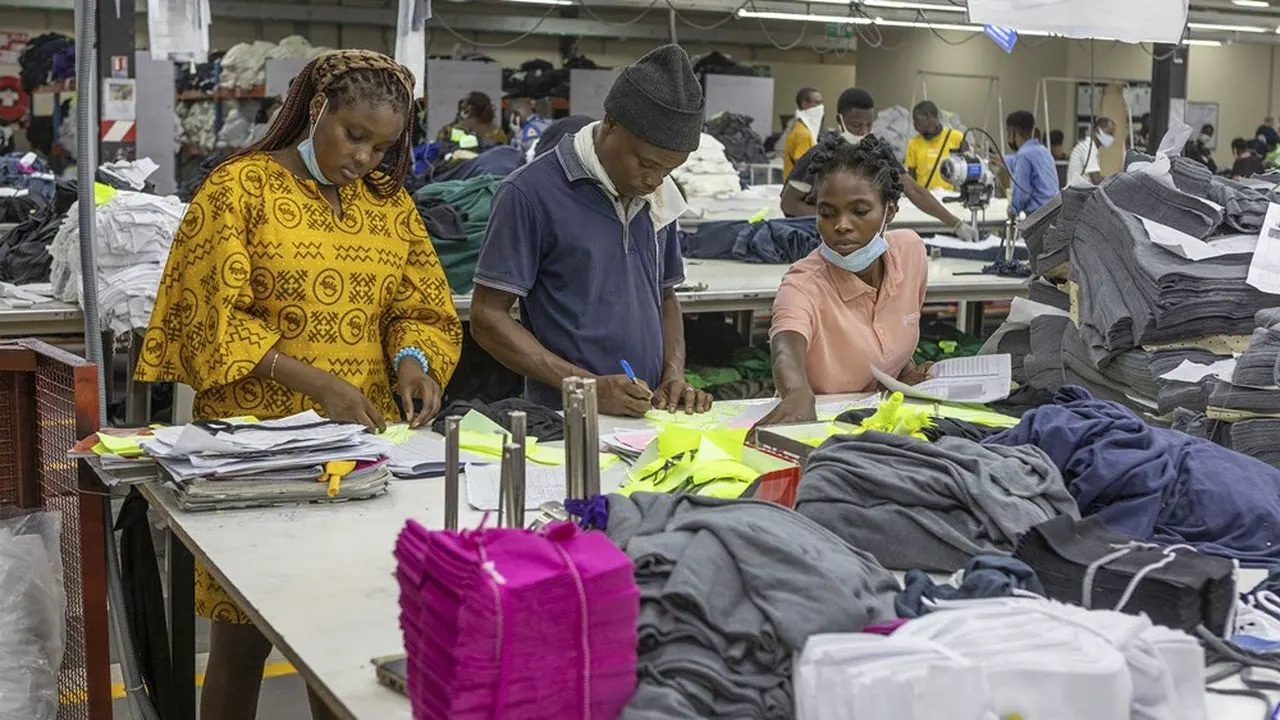
A modern agricultural sector requires more than just individual effort from producers. It needs mechanisms for financing, insurance, social protection, market access, and production valorization. The government recognizes that the transformation of agricultural products into higher-value-added goods is essential for the country's economic growth. Benin has significant agricultural production that can feed a larger local industry, but the country needs to develop its storage, packaging, processing, transportation, marketing, and export capabilities to increase competitiveness.
Industrialization is a natural extension of agricultural policy, and the government is promoting regional industrialization organized by poles. This approach aims to locate economic activities near territorial potentialities and resources, reducing the concentration of activities around Cotonou and fostering more balanced regional development. By doing so, the government hopes to create more opportunities for economic growth, job creation, and poverty reduction.
The development of a competitive economy also relies on the growth of other sectors, such as industry, commerce, energy, and infrastructure. The government aims to strengthen the country's economic sovereignty by promoting entrepreneurship, innovation, and investment in these sectors. By creating a more favorable business environment, the government hopes to attract more investors and encourage the growth of Beninese companies.
The success of Benin's economic diversification and competitiveness drive will depend on the effective implementation of the government's strategy. The government will need to work closely with various stakeholders, including the private sector, civil society, and international partners, to achieve its goals. With a well-designed strategy and effective implementation, Benin can build a more resilient and competitive economy that benefits all its citizens.
Key points
- President Romuald Wadagni's program prioritizes economic diversification and competitiveness to drive growth and job creation in Benin.
- The government aims to transition from an economy dominated by commerce and low-value-added activities to one with a denser and more competitive productive fabric.
- Agriculture plays a central role in Benin's economic ambitions, and the government is promoting modernization, transformation, and investment in the sector.