The Benin government has introduced a 100 billion FCFA industrial development fund aimed at addressing key challenges hindering the country's industrial sector. The fund, presented by the government's spokesperson, is designed to support the growth of industries in Benin, which has made significant progress in manufacturing products it previously did not produce. However, the government acknowledges that despite these gains, local enterprises still lack the scale to compete effectively in regional and international markets.
A major obstacle identified by the government is the lack of equity capital among industrial enterprises. Without sufficient capital, companies struggle to undertake large projects, and banks are hesitant to provide loans to undercapitalized businesses. To address this issue, the government has established the Benin Industrial Invest (Bii) window, which will provide equity and quasi-equity funding with long-term repayment terms. This approach recognizes that industrial projects often take longer to become profitable than the duration of traditional bank loans.
The government has also identified the need to improve access to credit for industrial enterprises. To achieve this, the Facilité de garantie industrielle (Fgi) has been established, which will share risk with banks for long-term loans, equipment leasing, and export financing. By sharing the risk, the government aims to encourage banks to provide more financing to industrial enterprises. Equipment leasing, in particular, will enable companies to use machinery without having to purchase it outright, reducing the initial investment required.
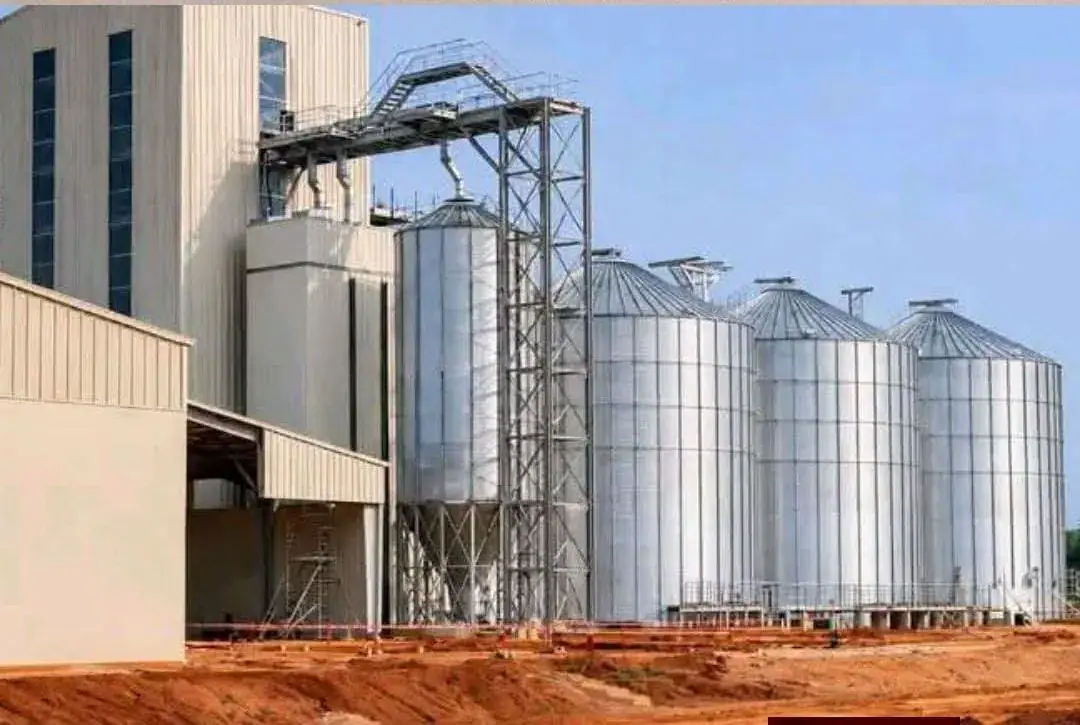
Another significant challenge facing industrial enterprises in Benin is the time and cost associated with acquiring and setting up a production facility. To overcome this hurdle, the government has launched the Usines prêtes à l'emploi (Upe) window, which will provide ready-to-use factories in designated territorial development hubs. This initiative aims to fast-track the entry into production for industrial enterprises, allowing them to focus on their core business rather than investing time and resources in setting up infrastructure.
The industrial development fund has been structured into three windows, each addressing a specific challenge. The Bii window will focus on providing equity and quasi-equity funding, while the Fgi window will provide guarantees for loans and other financial instruments. The Upe window will offer ready-to-use factories, reducing the time and cost associated with setting up production facilities. The government has obtained approval for the fund's statutes and has instructed relevant ministers to proceed with its formalization.
According to the government, the introduction of the industrial development fund is a strategic move aimed at transforming Benin's industrial landscape. By addressing key challenges such as access to capital, credit, and infrastructure, the government hopes to create an enabling environment for industrial enterprises to grow and compete effectively in local and international markets. The fund's success will depend on effective implementation and the government's ability to monitor and evaluate its impact.
The Benin government's efforts to boost industrial growth have already yielded positive results, with new industries emerging in sectors such as textiles and ceramics. However, the government recognizes that more needs to be done to support the growth of local enterprises. The industrial development fund is a key component of this strategy, and its impact will be closely watched by stakeholders in the industrial sector.
Key points
- The Benin government has launched a 100 billion FCFA industrial development fund to address key challenges hindering the country's industrial sector.
- The fund has been structured into three windows, each addressing a specific challenge: equity capital, access to credit, and infrastructure.
- The government aims to create an enabling environment for industrial enterprises to grow and compete effectively in local and international markets.