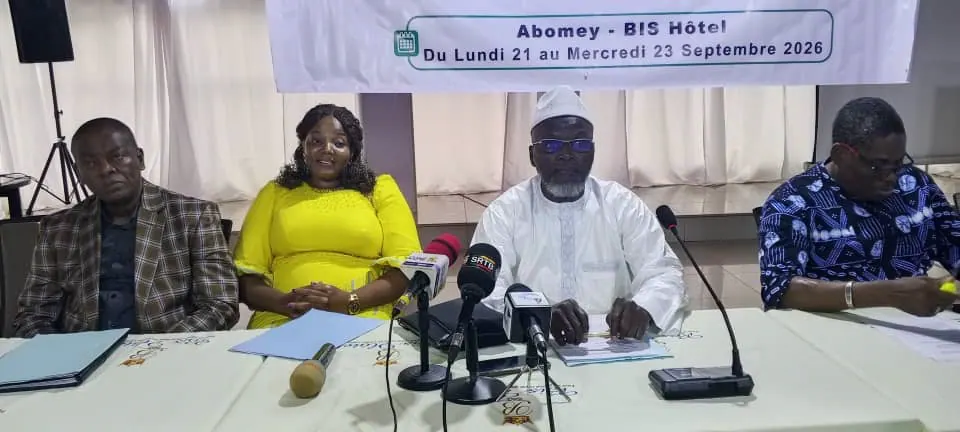
A three-day seminar was held in Abomey, Benin, on September 21, 2026, to train journalists from areas exposed to violent extremism. The Haute autorité de l'audiovisuel et de la communication (Haac) organized the event to promote responsible journalism and mitigate the risks of amplifying extremist propaganda. Journalists were encouraged to rethink their professional practices, focusing on ethics, safety, and fact-based reporting. The seminar aimed to equip journalists with the skills to cover extremist violence without inadvertently contributing to its spread.
The seminar's opening session was addressed by François Awoudo, secretary general of Haac, who highlighted the challenges posed by extremist groups in the media landscape. These groups, he noted, no longer limit themselves to violent acts but also seek to occupy media space by exploiting fear and exacerbating societal divisions. Awoudo emphasized that journalists are now on the front lines, tasked with accurately informing the public without amplifying hate speech or relaying extremist communication strategies.
Mohamed Barè, vice-president of Haac, stressed the evolving nature of terrorist threats in the era of social media and continuous information. He warned that the pursuit of exclusivity and instant information dissemination can turn media outlets into unwitting vectors of extremist propaganda. Barè urged journalists to constantly assess the impact of their editorial choices and consider the potential consequences of their reporting.
The Haac institution identified several key challenges that require increased vigilance, including the rapid spread of misinformation, threats to journalist safety, and the risks of stigmatization and social fracture caused by certain media treatments. To address these challenges, Haac aims to promote responsible journalism that provides context, analyzes the root causes of conflicts, and contributes to the resilience of populations facing violence.
The seminar's agenda included discussions on best practices, mechanisms to combat information manipulation, and tools to improve coverage of sensitive topics. Journalists from various regions gathered to share experiences, exchange ideas, and develop strategies for responsible reporting on extremist violence. The training aimed to enhance journalists' skills in navigating the complex media landscape and mitigating the risks associated with covering extremist activities.
The Haac's initiative reflects a broader effort to promote responsible journalism and counter extremist propaganda in Benin. By empowering journalists with the skills and knowledge needed to cover extremist violence responsibly, the institution seeks to contribute to a more informed public discourse and a safer media environment. The seminar's outcomes are expected to have a positive impact on the way journalists in Benin approach sensitive topics.
The training seminar is part of a larger effort to address the growing threat of extremist violence in West Africa. By promoting responsible journalism and fact-based reporting, Haac and other institutions aim to reduce the risks associated with extremist propaganda and promote a more informed public discourse. The seminar's success will depend on the implementation of its recommendations and the continued collaboration between journalists, media institutions, and regulatory bodies.
Key points
- Journalists in Benin are being trained to cover extremist violence responsibly
- The Haac institution is promoting responsible journalism to mitigate the risks of amplifying extremist propaganda
- The seminar aimed to equip journalists with skills to cover extremist violence without inadvertently contributing to its spread